
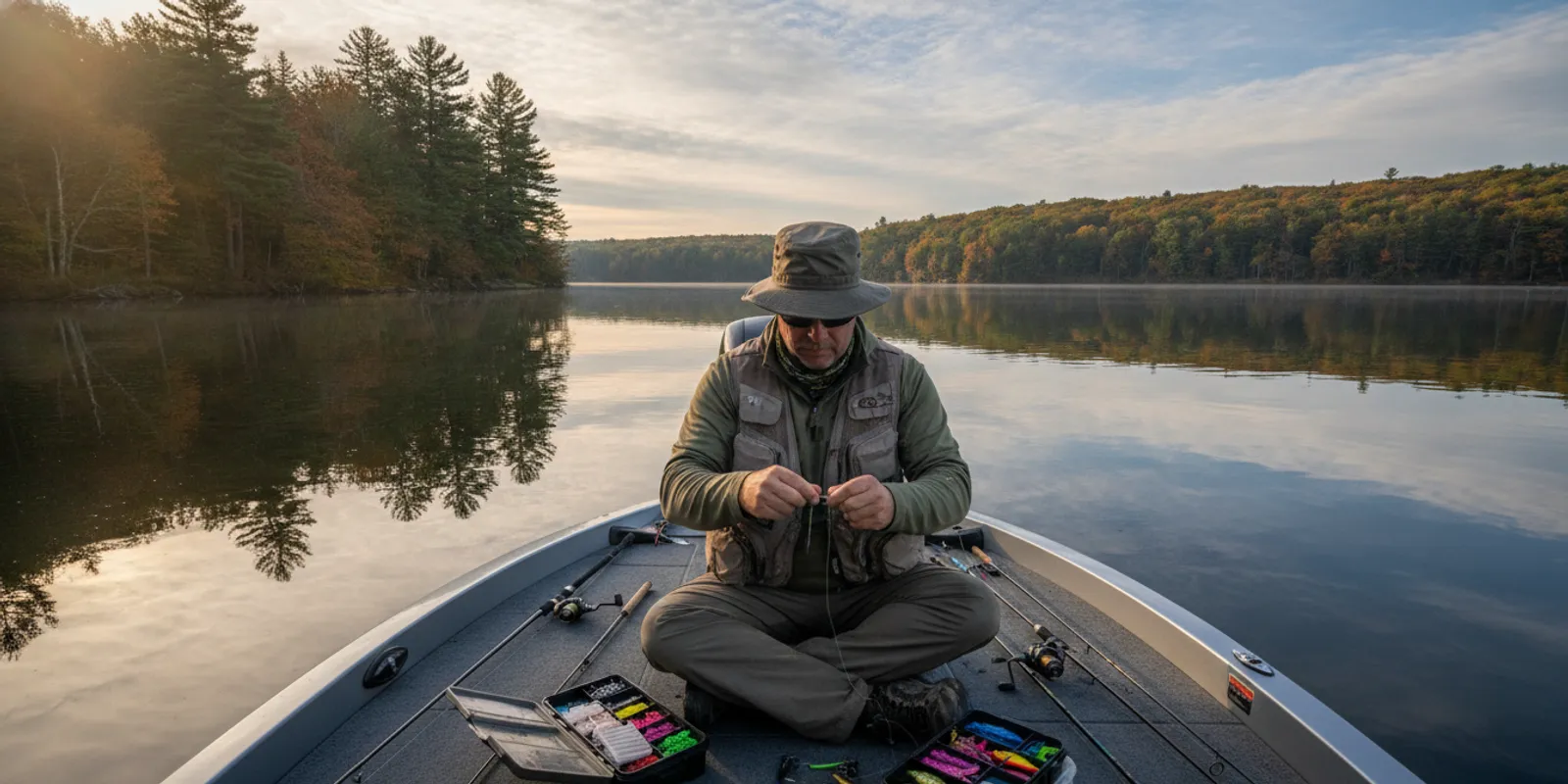
A bass boat is designed for a focused kind of day: reaching fishing water and casting with room to work. If you are considering a bass boat in Massachusetts, the right answer depends on where you plan to go, who comes along, and how much of your time afloat is spent fishing. Its specialized layout can be useful on suitable waters, but it is not automatically the best fit for every family or every outing.
Schedule a conversation about your boating plans
What Is a Bass Boat Designed to Do?
A bass boat is a motorboat designed primarily for freshwater fishing, especially casting and working fishing areas. Common features include an open casting deck at the bow, raised fishing positions, storage for rods and tackle, and space for a trolling motor. Many models also use a more powerful outboard for traveling between spots and a smaller electric motor for quiet, controlled movement while fishing. Equipment and layouts differ, so check the actual model rather than relying on the category name.
These features support a recognizable routine: travel to a promising area, settle into position, and make repeated casts. An open deck can make it easier to move while fishing; dedicated compartments can keep tackle organized. Some boats have a livewell, but that is not universal. Inspect its condition, access, and arrangement if it matters to your plans.
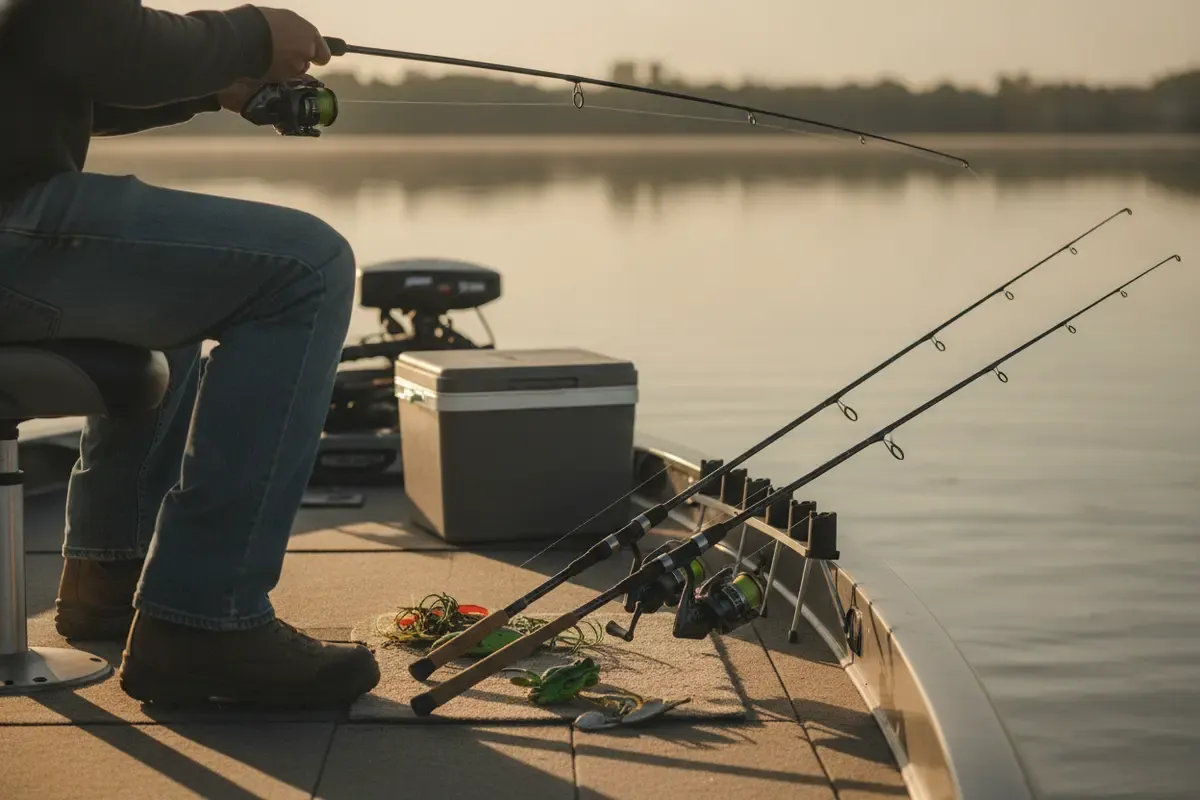
The specialization involves tradeoffs. A low open deck is useful for casting, but it offers less shelter than a cabin. Raised positions can help an angler see and cast, yet may be less comfortable for a passenger during a long ride. Storage tends to prioritize fishing equipment rather than picnic supplies, bags, or extra layers for a mixed group. These are not defects; they are reasons to match a boat to its main job.
When Is a Bass Boat a Good Fit for Massachusetts Anglers?
A bass boat may make sense when fishing is the central purpose of the outing and the waters you expect to visit suit the particular model. Start with the ordinary trip, not an idealized one. If most days involve a small crew, hours of casting, and moving between sheltered freshwater spots, an open deck and fishing storage may matter more than a cabin or lounge seating.
- Fishing is the main activity: Your plans involve repeated casting, changing locations, and handling rods and tackle.
- Your crew is small: People, gear, and safety equipment fit within the boat’s rated capacity and usable space.
- Your waters match the boat: Routes, launch access, depth, exposure, and expected conditions suit the model and operator.
- You value fishing access: Rod storage and an uncluttered casting area matter more than shade, social seating, or a protected cabin.
Massachusetts boating ranges from inland lakes and ponds to coastal waters. A boat that feels appropriate on a protected lake is not automatically suitable for exposed water or changing weather. List likely destinations, investigate launch access and local rules, and consider wind, chop, water depth, and the experience of everyone aboard. Speed or horsepower does not replace conservative trip planning.
Fishing rules vary by waterbody and season, so confirm the requirements for the specific place and date before leaving. A Pennsylvania agency page, for example, describes rules for Pennsylvania bass waters; it is not Massachusetts guidance. Use it only as an example of why jurisdiction matters, and read the Pennsylvania agency’s bass-season information only if planning there. For a Massachusetts trip, consult the applicable Massachusetts authority and local waterbody rules rather than applying another state’s limits.
What Tradeoffs Should You Consider?
Fishing-oriented design can be less convenient for other activities. An open deck provides casting room but little weather protection. Fishing seats and compartments may not offer the comfort or general storage that a family expects for a full day out. Consider how often you will fish compared with cruising, sightseeing, swimming, or carrying guests who do not fish.
If plans vary, compare other layouts rather than assuming one style can do everything equally well. A center console may provide open access and flexible use; a bowrider or dual console may prioritize passenger seating; a pontoon often emphasizes shared social space. Those categories also vary by model. The useful question is not which label is universally best, but which compromises your group can live with.
Think through ownership beyond the time on the water. Cleaning, maintenance, storage, launching, and seasonal preparation all require planning. The guides to the challenges of boat ownership and boat maintenance in Massachusetts provide related considerations. Treat these as part of the decision, not tasks to address after choosing a boat.
How Does a Bass Boat Compare With Other Layouts?
| Layout | Typical strength | Consider it when | Tradeoff to check |
|---|---|---|---|
| Bass boat | Fishing-focused deck and gear organization | Angling is the primary purpose | Less emphasis on shelter and general passenger comfort |
| Center console | Open access and flexible use | You want fishing plus general boating | Seating and weather protection vary by model |
| Bowrider or dual console | Passenger seating for day trips | Your group mixes cruising and recreation | Fishing features may be less specialized |
| Pontoon | Social space and relaxed cruising | Comfort and group time are priorities | Handling and route suitability depend on model and conditions |
These are broad comparisons, not promises about a particular boat. Review its capacity information, seating, storage, safety equipment, and intended operating conditions. You can also compare center console and bowrider layouts or read the pontoon boat guide before narrowing your options.
What Should You Check Before Choosing a Bass Boat?
- Write down how you will use it. List destinations, how often you fish, typical trip length, crew size, and activities other than fishing. A sample calendar is useful: mark fishing days separately from family cruises and errands, then see which purpose dominates.
- Check capacity with the whole load in mind. Compare the boat’s capacity information with passengers, rods, tackle, cooler, and required safety equipment. The same number of people uses space differently on a fishing day than on a short ride. Do not rely on promotional descriptions alone.
- Walk the fishing layout. Check rod storage, compartments, casting space, seat placement, and access to the controls. Imagine two anglers moving at once. Notice snag points and whether gear blocks a route. Ask where tackle goes when it is wet and whether the storage is practical for the equipment you actually use.
- Match boat and conditions. Think about wind, waves, exposure, depth, route, launch logistics, and your experience. Check the manufacturer’s intended use and seek qualified advice if a destination raises questions. Do not assume a freshwater-oriented hull suits exposed coastal routes.
- Review safety and operating skills. Identify required equipment, learn the controls, and arrange appropriate instruction before departure. The boat safety equipment checklist and beginner’s guide to driving a boat can help you prepare.
- Include the practical work. Consider cleaning, maintenance, storage, launching, and seasonal tasks. Decide who will handle them and whether the time commitment fits your routine. If that work would reduce the number of days you actually get afloat, compare access models too.
How Can You Test the Fit Before Committing?
Turn a general preference into a realistic outing. Sketch the day you expect: departure, route, fishing stops, meals, passenger changes, and return. Compare the layout with each part. If the itinerary is mostly casting, dedicated fishing space may be valuable. If it includes long rides, children, guests, or frequent breaks, comfort and shelter deserve more weight.
Walk through a boat in person if possible. Sit in each seat, test whether storage is reachable without crossing an active casting area, and notice how easy it is to move between helm and deck. Picture a windy morning, wet gear, and a passenger who does not fish. Ask yourself whether the boat remains practical when the day is less than ideal.
Make a scorecard before viewing options. Rate fishing access, seating, weather protection, storage, route suitability, passenger comfort, and ease of handling as high, medium, or low priorities. Then mark any non-negotiables separately. A high score for casting room cannot compensate for a capacity mismatch or a boat unsuitable for the intended conditions.
For example, a two-person crew planning short outings on sheltered freshwater may rank casting space and tackle access first, while treating lounge seating as secondary. A family that fishes occasionally but spends most of the day cruising may reverse those priorities. The same boat can be a sensible choice for one pattern and an awkward compromise for the other.
Which Massachusetts Fishing Day Are You Planning?
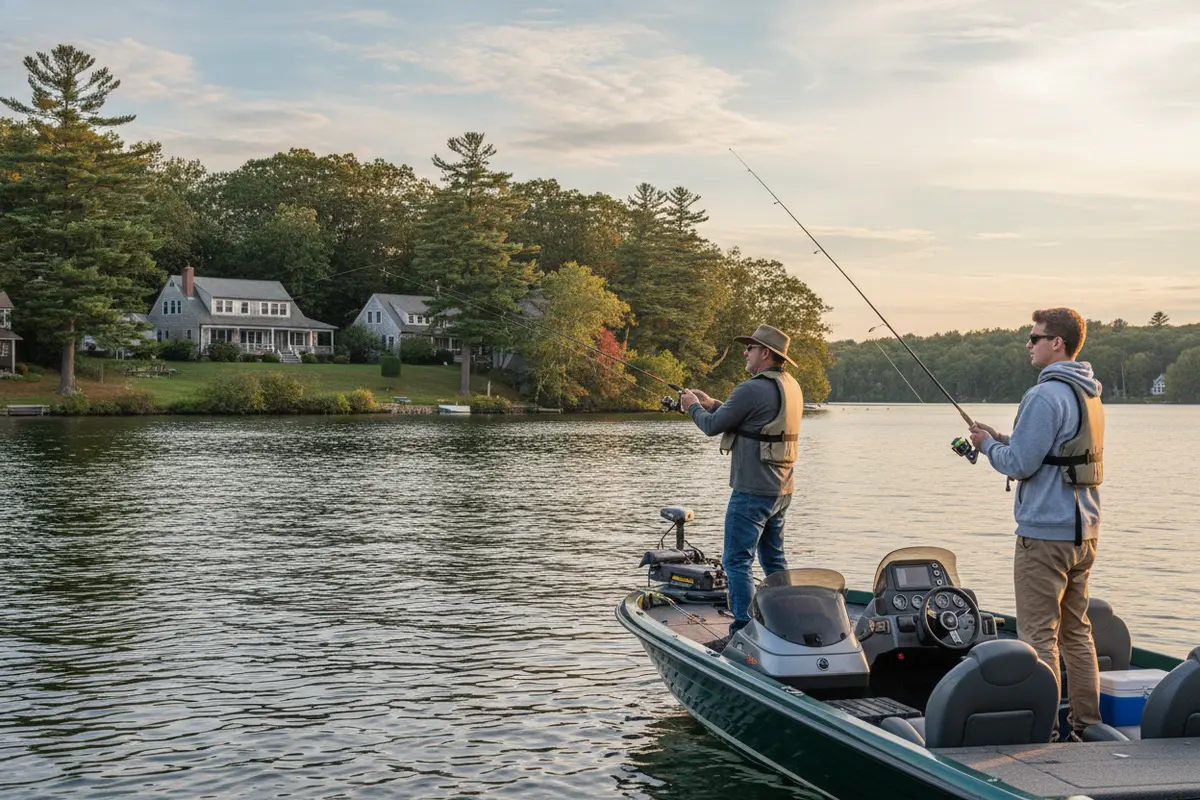
The answer can differ by destination and crew. A quiet inland outing with one or two experienced anglers may emphasize casting space, gear access, and repositioning. A day with a mixed group may call for more seating, shade, and room for personal items. A coastal plan raises questions about exposure, weather, route, and whether the specific model is intended for those conditions.
Write down the destinations you have in mind and check access, launch requirements, and local fishing rules. Do not assume that a boat suitable for one lake will suit every Massachusetts waterway. Build in a conservative option to shorten or postpone a trip when weather or crew readiness calls for it.
Plan the people as carefully as the route. If several anglers will cast, agree where rods will be handled and how to avoid crowding or crossed lines. If some passengers will not fish, make sure they have a comfortable seat and can move safely. Their experience matters too; a layout that delights the person at the bow may not suit everyone aboard.
Could Club Access Fit Your Plans Better?
If you want boating access but do not want to manage a boat yourself, a membership model may be worth considering alongside ownership. Club access is not the same as having a dedicated bass boat: the available fleet and use arrangements determine whether it suits your fishing style. Ask about the actual boats, reservation process, training, home locations, and what happens when you want a fishing-focused outing.
Carefree Boat Club is family-owned and operates in Boston, Danvers, and Gloucester. Members can access participating club locations through reciprocal access, subject to the applicable arrangements. Review the Massachusetts fleet information, learn about membership, or explore on-the-water training. If a particular home location is relevant, see information for Gloucester and Danvers. Ask directly whether available options fit focused fishing or broader days afloat.
Membership access differs from owning a purpose-built bass boat. Confirm that the boats available and the applicable rules fit your destinations and fishing methods. If casting from a dedicated deck is essential, that may settle the question. If you value flexibility across different boating activities, compare the actual fleet and arrangements without assuming that access is identical to ownership.
What Do Anglers Ask About Bass Boats?
Can a bass boat work for family boating?
It can carry passengers within its rated capacity and intended conditions, but its layout is built around fishing. Check seating, shade, comfort, and storage for the people who usually join you. If family cruising is the usual plan, compare general-purpose layouts before deciding.
Is a bass boat suitable for coastal Massachusetts?
Suitability depends on the exact model, conditions, route, and operator. Many bass boats are oriented toward freshwater or sheltered use. Do not assume a freshwater setup is appropriate for exposed coastal water; check manufacturer guidance and seek qualified instruction.
Does every bass boat have the same equipment?
No. Features and equipment vary by model and configuration. Inspect the specific boat, confirm what is included, and check whether storage and layout fit your methods.
How do I compare ownership with membership access?
Consider how often you expect to boat and which responsibilities you want to take on. Ownership means managing a boat and its upkeep; club membership has its own fleet, reservation arrangements, and rules. Ask about the actual available boats, training, and locations before deciding whether the access model fits.
Arrange a tour and discuss your boating plans
What Is the Best Next Step?
A bass boat is most compelling when fishing is the main event, your waters suit the boat, and its open deck and gear layout match your crew. If your outings vary, compare other designs and weigh the responsibilities of ownership against access options. A clear picture of a typical day will help you choose a practical setup for the water.