
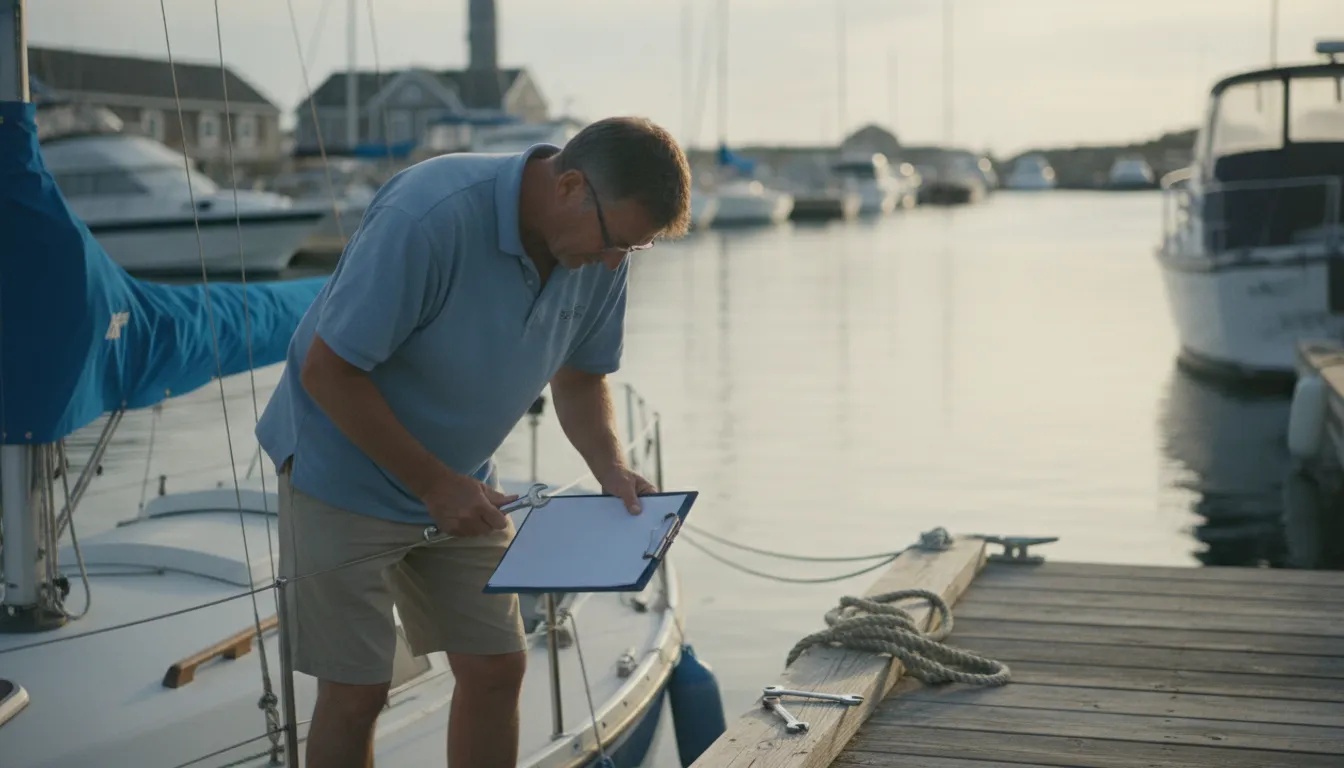
Owning a boat in Massachusetts means budgeting for more than fuel and time on the water. Saltwater exposure, winter storage, engine service, detailing, and seasonal preparation can turn a manageable purchase into a recurring annual expense, especially around Boston and the North Shore.
A practical starting point for estimating boat maintenance cost massachusetts is about 10% of the boat’s value each year for maintenance, repairs, detailing, bottom paint, winterization, and supplies. In expensive areas, total ownership expenses for a mid-size powerboat can reach $1,000 to $2,000 per foot annually, depending on storage and usage.
That recurring commitment is one of the hidden costs of boat ownership many buyers underestimate. The sections below break down the major expenses so you can build a realistic Massachusetts boating budget. Then compare that responsibility with a more convenient way to get on the water.
Book a tour with Carefree Boat Club
How Much Does Annual Boat Maintenance Cost in Massachusetts?
A practical starting point is to budget about 10% of a boat’s value each year for maintenance, repairs, detailing, bottom paint, winterization, and supplies. That is a planning estimate, not a fixed bill, because a newer boat may need less repair while an older boat or one exposed to Massachusetts saltwater may require considerably more attention.
Using that rule, a $50,000 boat could require approximately $5,000 in annual maintenance. A $200,000 boat could require about $20,000. These examples reflect the value of the boat, not the amount you will necessarily spend every year. A quiet season may cost less, while an engine issue, fiberglass repair, or major systems replacement can quickly push the total higher. The 10% guideline is a widely used planning estimate and should be treated as a reserve target rather than a guarantee.
Boat size also matters, but it does not tell the whole story. In expensive boating areas, all-in ownership costs for a mid-size powerboat can reach $1,000 to $2,000 per foot per year. That broader estimate may include expenses beyond hands-on maintenance, such as storage, dockage, insurance, fuel, and routine service. Most boats in use today are under 21 feet, yet even a smaller boat can carry substantial fixed costs in a high-demand harbor.
| Boat Purchase Price | Annual Maintenance Estimate (10% Rule) |
|---|---|
| $20,000 | About $2,000 |
| $50,000 | About $5,000 |
| $100,000 | About $10,000 |
| $200,000 | About $20,000 |
How do Greater Boston slip fees affect the annual total?
For owners keeping a boat near Boston, the slip can be one of the largest recurring expenses. Greater Boston slip fees commonly run about $150 to $250 per foot. At 20 feet, that represents roughly $3,000 to $5,000 for the slip alone before maintenance, winter storage, launch fees, insurance, or repairs are added. A boat’s purchase price may therefore understate the real cost of keeping it ready for the water.
- Maintenance reserve: About 10% of the boat’s value as a starting estimate.
- All-in cost in expensive areas: Approximately $1,000 to $2,000 per foot annually for a mid-size powerboat.
- Greater Boston slip: About $150 to $250 per foot, before other ownership expenses.
Seasonal planning can make these costs easier to anticipate. Review our guide to preparing your boat for the Massachusetts boating season so spring commissioning, summer upkeep, and fall winterization are included in your budget instead of arriving as surprises.
Spring Commissioning and Fall Winterization: What Do They Cost?
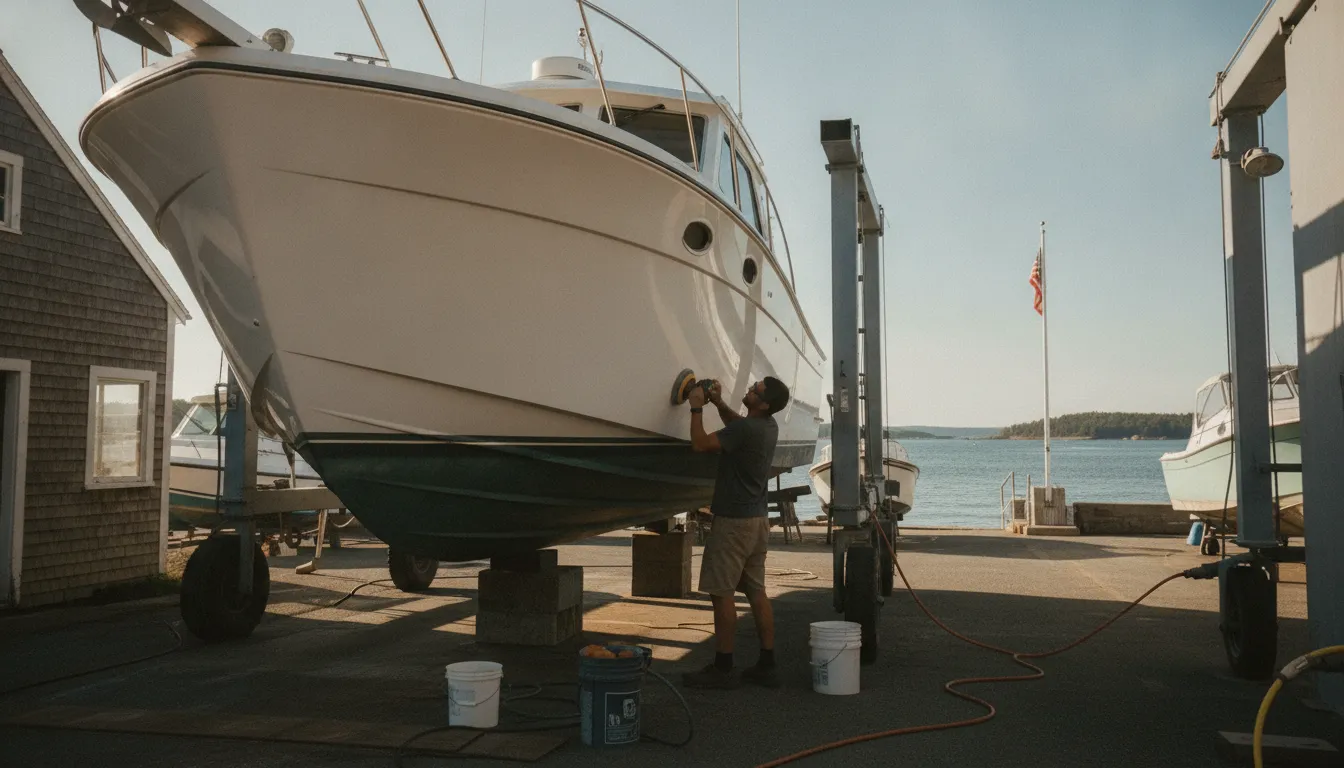
Seasonal service is one of the clearest reminders that a boat’s annual budget is more than its purchase price. In Massachusetts, spring commissioning and fall winterization protect the boat through changing temperatures, storage, and saltwater exposure. The exact invoice depends on boat size, engine type, storage arrangement, and the condition of the vessel, but these recurring services deserve a defined place in your planning.
-
What does spring commissioning include?
Commissioning prepares a stored boat for safe use. Depending on the vessel, the work can include inspecting systems, reinstalling or checking batteries, changing fluids, servicing the engine, checking hoses and belts, inspecting safety equipment, and testing navigation and electrical systems. A careful inspection can identify small problems before they become an expensive interruption during the short Massachusetts boating season.
Saltwater use adds another layer of attention. Corrosion, marine growth, and wear can affect hardware and underwater components. So boats kept in the water may need more frequent cleaning and inspection than boats stored on land. The boat’s location on the Massachusetts coast, its usage, and its storage method all influence the final cost.
-
Why is fall winterization essential?
Winterization protects engines, plumbing, and other systems from freezing temperatures and long periods of inactivity. The Massachusetts Department of Environmental Protection describes proper preparation for winter storage as essential to handling a boat in an environmentally sensitive way. Its clean-boating guidance also helps owners understand the responsible steps before storage.
Typical service may include draining or replacing fluids, protecting the engine and cooling system, stabilizing fuel, addressing batteries, and preparing freshwater systems. Skipping a step can create damage that costs far more than the original seasonal service, especially when the boat is commissioned again in spring.
-
How do bottom paint and saltwater affect the annual bill?
Bottom paint can be a significant annual maintenance expense, particularly for boats that remain in saltwater. It helps protect the hull and manage marine growth, but the work involves haul-out, surface preparation, application, and relaunching. Industry ownership estimates commonly include bottom paint, winterization, repairs, detailing, and supplies in a broad annual maintenance budget, rather than treating them as occasional extras.
-
How does engine maintenance prevent pollution?
Good engine maintenance is both a financial and environmental safeguard. Massachusetts guidance warns that accidental spills and poor engine maintenance can allow oil and fuel to pollute coastal waters when bilge water is pumped. Regular service and careful bilge management help prevent avoidable pollution while protecting the engine and surrounding waterways.
Engine Service and Mechanical Repair: What Should You Budget?
Engine service is not a one-time expense that disappears after the purchase. It is a recurring part of boat ownership, and the amount can vary with the boat’s age, engine type, usage, storage conditions, and exposure to Massachusetts saltwater. A practical ownership budget should account for scheduled service as well as the possibility of repairs when a small issue becomes a larger mechanical failure.
Routine service may include oil and filter changes, fluid checks, belts, hoses, batteries, cooling systems, and inspection of the propulsion system. Older boats and boats used frequently may need more attention. Saltwater can also accelerate wear on components, so a lower maintenance estimate may not be realistic for a vessel kept in the water through much of the season.
A commonly cited planning rule is to reserve about 10% of a boat’s value each year for maintenance, repairs, detailing, bottom paint, winterization, and supplies. That is a broad ownership guideline rather than a guaranteed invoice. But it illustrates why engine work should have its own line in an annual budget and any reserve should reflect your specific boat.
Why are inspections part of the repair budget?
Inspections are preventive spending. Checking the hull, machinery, bilge, fuel system, electrical components, and engine before and after the season can reveal leaks, corrosion, worn parts, or other problems while they are still manageable. The Massachusetts Office of Consumer Affairs and Business Regulation advises routine inspections because insurance is designed for unexpected damage beyond an owner’s reasonable control, not routine maintenance or expected repairs. Mass.gov’s guidance on risks to your boat explains that distinction clearly.
That distinction matters when planning for mechanical work. Insurance may help after a covered accident, but it generally will not pay for neglected service or a component that simply wore out. Regular inspections can therefore reduce both the likelihood of an expensive failure and the risk of assuming insurance will cover a cost it does not.
How does depreciation affect the ownership calculation?
Maintenance is only one part of the financial picture. New boats can lose approximately 15% to 20% of their value in the first year, followed by about 5% to 8% annually thereafter, according to common ownership-cost estimates. Those figures should be treated as planning references, not a promise about resale value. A well-maintained boat may be easier to sell and may avoid preventable repair bills, but good service does not eliminate depreciation.
For Massachusetts owners, the realistic budget combines recurring engine care, inspections, seasonal work, unexpected repairs, and declining asset value. Thinking through all of those costs before buying makes it easier to compare ownership with boating options that shift maintenance responsibilities to a professional team.
What Does Cleaning, Detailing, and Protective Coatings Cost?
Cleaning and detailing are easy to underestimate when calculating boat maintenance cost in Massachusetts. The recurring budget can include hull washes, interior cleaners, mildew treatment, wax or polish, brushes, microfiber cloths, protective coatings, and replacement accessories. If your boat remains in salt water, you may also need products and labor to manage buildup and protect exposed surfaces. The exact total depends on the boat’s size, condition, finish, and how often you use it.
Do-it-yourself cleaning may reduce labor expenses, but the supplies still add up over a season. Build a maintenance line for cleaning products, applicators, hoses, fenders, dock lines, covers, and other small accessories. These purchases are easy to overlook because each one seems minor. Together, they are part of the annual ownership budget, along with detailing and other routine work. An industry estimate that groups maintenance, repairs, detailing, bottom paint, winterization, and supplies together uses roughly 10% of a boat’s purchase price as a planning rule, not a guaranteed price before setting your own reserve.
How Can Non-Toxic Cleaning Reduce Environmental Risk?
The product you choose matters as much as the amount you spend. Massachusetts provides guidance on non-toxic cleaning alternatives that can reduce the environmental impact of routine boat maintenance. Fuel spills, oil leaks, detergents, and other discharges can pollute the water, and simple precautions are especially important around sensitive marine habitats. Use the least harmful effective product, follow its label, prevent runoff where practical, and collect waste rather than allowing residue to enter coastal water.
Bilge care deserves its own place in the checklist. Poor engine maintenance or an accidental spill can allow oil and fuel to pollute coastal waters when bilge water is pumped. A bilge sock can absorb oil and fuel from bilge water, helping keep those pollutants out of the harbor. Inspect it regularly and dispose of a used sock according to local requirements. These precautions protect Massachusetts waterways and can also help you catch leaks before they become a larger repair.
For boat owners, the cost is not limited to a bottle of cleaner. It includes time, consumables, protective products, replacement gear, and the consequences of skipped work. With Carefree Boat Club, professional staff handle cleaning, detailing, and ongoing maintenance so members can focus on getting on the water instead of managing the upkeep.
How Do Boat Club Members Eliminate Maintenance Costs Entirely?
For many Massachusetts boaters, the biggest advantage of membership is not simply access to a boat. It is the ability to enjoy time on the water without managing the ownership checklist that follows every season. Carefree Boat Club membership includes maintenance, detailing, insurance, winterization, and storage, with professional staff handling the work behind the scenes.
That changes the way you think about boat maintenance cost in Massachusetts. Instead of scheduling service, finding winter storage, arranging spring commissioning, and paying separate vendors, members reserve a boat that is prepared for use. Staff maintain the vessels, keep them clean, and make sure they are fueled for each reservation. You get more time boating and fewer weekends spent working on a boat.
What does Carefree membership include?
Membership is designed to cover the recurring responsibilities that make ownership expensive and time-consuming. Professional staff manage routine maintenance and mechanical care, detailing, winterization, and storage. Insurance is also included, helping address the risk-management side of boating rather than leaving members to arrange a separate policy for a personally owned vessel.
Massachusetts does not legally require boat insurance, but the state recommends considering coverage to protect your investment. The Massachusetts guidance also explains that insurance generally does not cover routine maintenance or expected repairs. Carefree’s model addresses both concerns by including coverage and maintenance as part of the membership experience, while staff oversee the practical work. Read the Massachusetts guidance on boat insurance and risks to your boat.
How does reciprocal access add value?
Membership is not limited to one weekend routine or one harbor. Carefree members receive reciprocal access to boats at more than 150 participating club locations nationwide, subject to availability and applicable reservation policies. That gives Massachusetts members the opportunity to plan boating in other destinations without taking on another boat, another storage arrangement, or another maintenance schedule.
For local members, the North Shore and Boston-area experience remains simple: reserve, arrive, complete the required safety steps, and enjoy the outing. The club’s professional team handles the behind-the-scenes care. To compare the ownership alternative with a membership model, review the Massachusetts boat club membership information and explore the Carefree membership details. You can also see how the model supports local trips in this Boston Harbor boating guide.
The result is not that boating has no costs at all. Fuel, reservations, and other member responsibilities may still apply. The key difference is that the unpredictable, recurring maintenance burden is handled for you, so you can focus on using the boat instead of maintaining it.
See Carefree membership details and book a tour
Frequently Asked Questions
What is the average annual maintenance cost for a boat?
A practical planning rule is to budget about 10% of the boat’s value each year for maintenance, repairs, detailing, bottom paint, winterization, and supplies. That puts a $50,000 boat near $5,000 annually, although age, size, saltwater exposure, storage, and condition can move the number significantly. This planning estimate is a starting point, not a fixed Massachusetts rate.
How much is boat insurance on a $20,000 boat?
There is no single standard premium for a $20,000 boat. Insurers typically price coverage based on the boat’s type, age, location, intended use, navigation area, safety equipment, claims history, and selected deductibles and limits. Request quotes using the same coverage details so you can compare them fairly. Remember that insurance generally covers unexpected damage, not routine maintenance or expected repairs, according to Massachusetts guidance.
Do you need insurance on a boat in Massachusetts?
Massachusetts does not legally require boat owners to purchase insurance, but the state recommends considering coverage to protect the investment. A marina, lender, or storage provider may still require proof of insurance under its own agreement. Review those requirements before buying or storing a boat. Mass.gov confirms the state rule.
What does boat winterization cost in New England?
Winterization prices vary by boat size, engine type, service scope, storage arrangement, and whether the boat stays in the water or is hauled out. Ask for an itemized quote covering engine and fuel-system protection, plumbing, batteries, and other manufacturer-recommended steps. Proper winterization is essential before New England storage, and Massachusetts advises preparing boats for winter storage responsibly.
Ready to Explore a Simpler Way to Boat?
Boat maintenance can take time and planning, especially through the Massachusetts boating season. Carefree Boat Club gives you a way to spend more time enjoying the water and less time managing ownership responsibilities. Book a complimentary tour of Carefree Boat Club to see how membership can take maintenance off your list.