
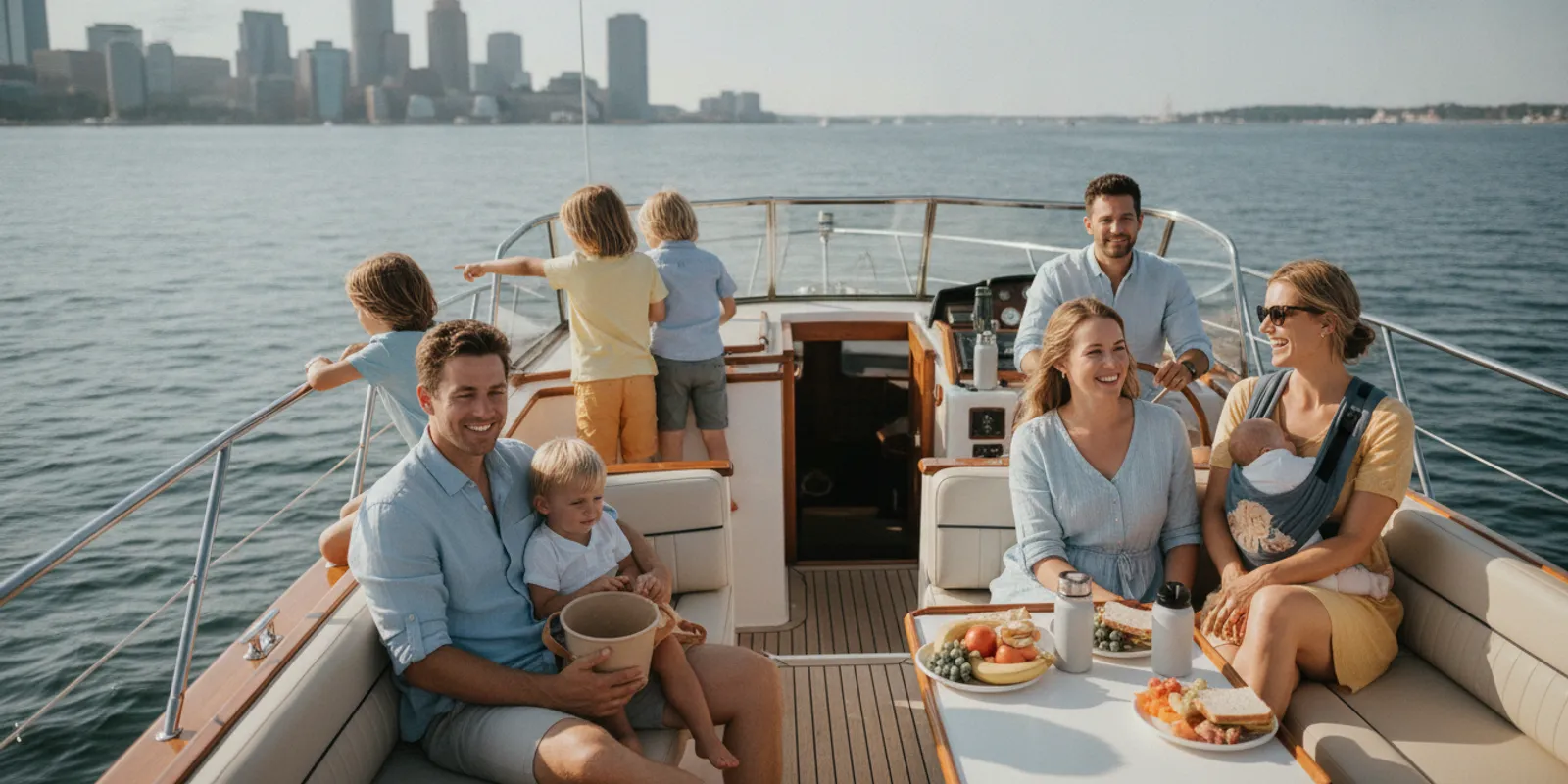
Looking for things to do on Boston Harbor by boat? A day on the water can be as active or easygoing as you want: visit an island, take in the waterfront from a new angle, fish, or simply cruise and enjoy time with your group. The best outing starts with a plan that fits your experience, schedule, and the day’s conditions.
What Makes Boston Harbor a Good Place to Spend a Day on the Water?
Boston Harbor gives boaters a mix of urban waterfront scenery and open-water recreation. From the boat, the city’s working waterfront, shoreline, and changing views become part of the outing rather than a backdrop you pass on the way to somewhere else. You can keep the plan simple or make an island visit the main event.
There is no single itinerary that works for every crew. A couple looking for a quiet afternoon may prefer an unhurried cruise. Families may want a destination and time ashore. Anglers may plan around fishing, while first-time boaters may value a short outing and a chance to build confidence. Before choosing, think about who is coming, how much time you have, and what everyone would enjoy.
One useful way to narrow the choices is to give the outing a single anchor: a destination, a fishing plan, or a comfortable sightseeing route. Then decide how much of the available time you want to spend moving, stopping, or relaxing. This prevents a common planning mistake: adding several activities that sound appealing on paper but leave little room to enjoy any of them.
For an overview of the local boating experience and membership options, see the Boston and North Shore boating club page. The harbor is not a static attraction: wind, visibility, traffic, and conditions can change. Keep the plan flexible and treat safe operation as part of the day, not an afterthought.
Can You Visit an Island in Boston Harbor?
Island time is one of the clearest ways to make a harbor outing feel like a getaway. Boston Harbor Islands National and State Park offers opportunities for outdoor recreation, relaxation, and learning about the area’s history. The National Park Service notes that visitors can hike trails, look for local wildlife, and learn about the harbor’s past. Check its Boston Harbor Islands visitor information before building an itinerary, since access, transportation, facilities, and conditions can vary by island and date.
Think through the visit before leaving the dock. Decide whether your group wants a walk, a picnic, a history-focused stop, or simply time on shore. Check what is open and what you need to bring. Do not assume every island has the same services, landing arrangements, or facilities. Allow enough time for the return trip and leave room in the schedule for changing conditions.
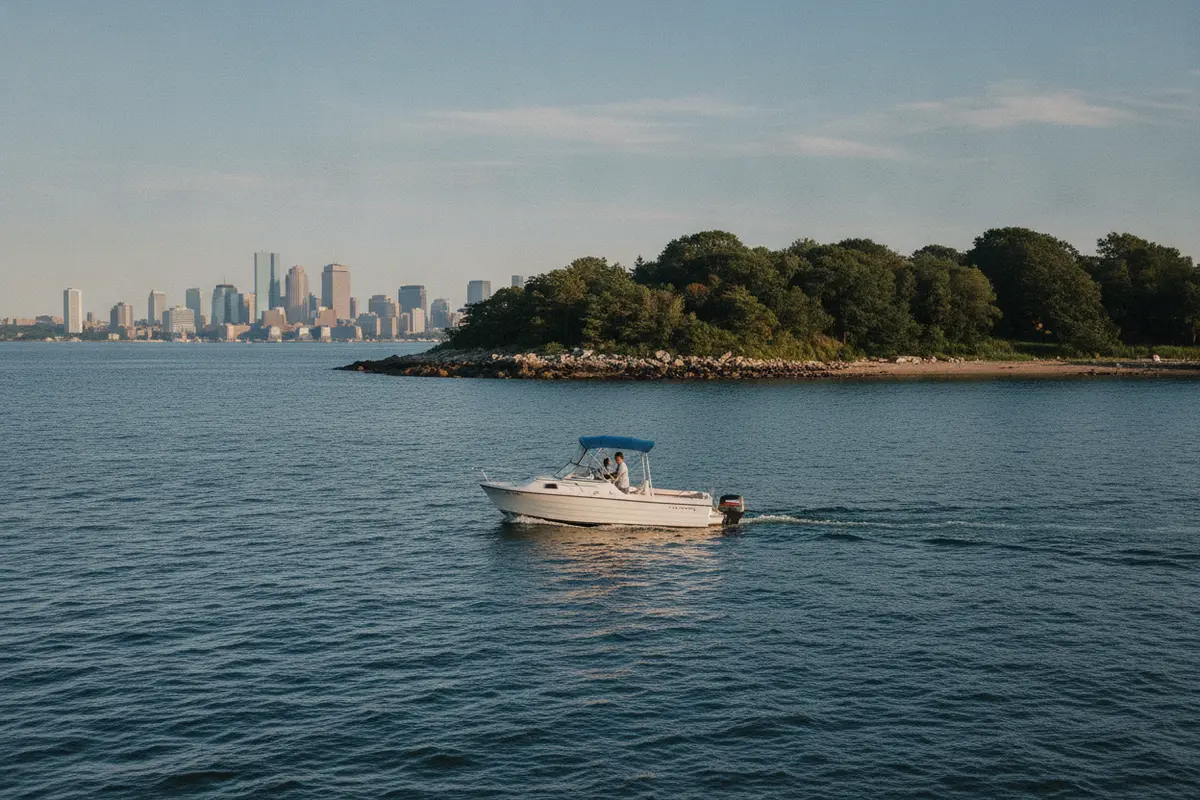
A destination visit calls for more preparation than a short cruise. Confirm the route and any applicable access guidance, carry essentials for the time ashore, and agree on a return time with your group. If you are new to boating, choose an outing that matches your comfort level and ask questions before departure rather than improvising along the way.
Make the shore stop work for the people actually going. For a group with young children or anyone who tires easily, choose a simple walk and a defined rest point rather than assuming everyone will want a long hike. Pack what you need for the planned time on land, including drinking water, layers, and a way to keep personal items together. Before departing, review where the group will meet again and what the operator expects everyone to do when returning to the boat.
How Can You Enjoy the Boston Waterfront From the Water?
A cruise can be the whole activity. Seeing the waterfront from a boat creates a different perspective from walking the harbor edge, and you can enjoy the scenery without filling every hour with stops. Keep the pace comfortable, share the view, and make the trip about time together rather than checking off a long list of landmarks.
For a relaxed outing, set a broad direction rather than a rigid schedule. Identify the areas you hope to see, then adapt to the actual conditions and any navigation guidance. A shorter loop can be a satisfying choice, especially with children, guests who are not used to being on the water, or anyone who would rather keep the trip low-key.
Use a good vantage point to notice the harbor’s changing character: city shoreline, boats moving through the water, and open views toward the islands. Keep everyone seated or holding on when appropriate, and make sure the operator can focus on navigation. Passengers can help by keeping gear tidy and avoiding distractions around the helm.

Try giving passengers small, easy ways to participate. One person can keep track of the group’s snacks and water, while another can help spot a landmark or take photos when it is safe to do so. Agree that navigation decisions stay with the operator. That division makes the trip more social without crowding the person who needs to pay attention to the boat and surroundings.
Is Fishing a Good Boston Harbor Activity?
Fishing can give a harbor trip a clear purpose, whether your group wants to spend most of the outing with lines in the water or combine fishing with a little sightseeing. The right plan depends on the anglers’ experience, the conditions, and current rules. Check applicable licensing, seasons, and regulations through current Massachusetts guidance before you go; do not rely on an old checklist or someone else’s assumptions.
Before departure, decide what equipment you need and who will be responsible for it. Pack only what your crew can manage safely, and keep hooks, tackle, and other small items organized. If some passengers are not fishing, agree on how they will spend the time as well. Snacks, water, shade, and a comfortable place to sit can help make the outing work for everyone.
New anglers may find it easier to choose a simple plan and learn one step at a time. Experienced boaters can still benefit from checking local conditions and reviewing the day’s plan with everyone onboard. The goal is a safe, enjoyable outing—not a promise of a catch.
If your crew has mixed interests, set expectations before you cast off. Decide whether fishing is the main event or one part of a broader day, and make sure non-anglers know what the time on board will feel like. A modest plan—fishing for a while, then returning without adding an ambitious shore stop—can be a better fit than trying to satisfy every preference in one trip.
What Should You Plan Before Leaving the Dock?
Start with the basics: who is going, how long you will be out, and whether the group wants to cruise, fish, or go ashore. Then check the forecast and marine conditions close to departure. Wind, visibility, and changing weather can affect comfort and safe operation. Be ready to shorten, change, or cancel the plan if conditions are not suitable.
Make sure the operator understands the route and the boat’s controls, and that everyone knows where safety equipment is and what to do if plans change. Newer boaters can review boating basics and the club’s on-the-water training information ahead of time. Those resources are a starting point, not a substitute for current instructions, local rules, or sound judgment on the day.
Use this checklist to keep the plan practical:
- Choose one main activity. Keep the itinerary realistic for your time and experience.
- Check conditions. Review the forecast and any relevant access or navigation updates before departure.
- Pack for the group. Bring water, appropriate layers, sun protection, and any activity-specific gear.
- Talk through roles. Make sure the operator and passengers know the plan and how to communicate.
- Leave a margin. Allow time to return safely rather than scheduling every minute.
A useful pre-departure check is to ask what would make you change the plan. If conditions are less comfortable than expected, if someone in the group is uneasy, or if an access detail is unclear, choose the simpler option or postpone. This is easier to do before everyone is committed to a destination. Share the decision with the group in plain language so passengers understand both the plan and the reason for any change.
Which Harbor Outing Fits Your Group?
Use the comparison below to narrow down a plan. It is a starting point, not a substitute for checking current conditions, rules, and destination access.
| Outing | Good fit for | Plan ahead for | Keep in mind |
|---|---|---|---|
| Island visit | Groups who want time ashore, walking, or a change of scene | Current access details, time ashore, supplies, and return timing | Island services and conditions can differ; confirm details before you go |
| Waterfront cruise | First outings, visitors, and crews seeking a relaxed day | A manageable route, weather check, and comfortable schedule | Keep the operator focused and adjust the plan to conditions |
| Fishing outing | Anglers who want the activity to be the focus | Current regulations, gear, and a plan for non-anglers | A catch is never guaranteed; make the day enjoyable either way |
| Mixed activity day | Groups with different interests and enough time to be flexible | One main destination or activity, food, and an alternate plan | Trying to do too much can make the outing feel rushed |
How Do You Make the Day Comfortable for Everyone?
Think about the least experienced or most easily tired person in the group when setting the pace. A first-time passenger may appreciate knowing what to expect before boarding: how long the outing might last, where to sit, and what to bring. If anyone is unsure about being on the water, start with a simple outing rather than an ambitious schedule.
Comfort also comes from small details. Bring layers because conditions on the water can feel different from those on shore. Keep drinking water and sun protection easy to reach. Stow loose items so they do not get in the way. Build in time to pause, take photos, or simply enjoy the view instead of treating every stop as a race against the clock.
Families can make the experience more engaging by giving children age-appropriate jobs, such as helping spot shoreline features or keeping track of snacks, while leaving navigation and boat operation to the responsible adult. Set clear expectations around moving about and listening to the operator. A calm, clear briefing helps everyone start the day with confidence.
It can help to ask each person one simple question before the trip: what would make this feel like a good day? One passenger might want to see the city from the water, while another would rather spend time outside or have a quiet place to sit. You may not be able to fit every idea into one outing. Knowing the priorities lets you choose an activity that satisfies the group without turning the schedule into a series of rushed compromises.
What Should Beginners Know About Boating in the Harbor?
You do not need to arrive knowing everything, but you do need to be willing to learn and follow safety guidance. Start with a basic understanding of the boat, the day’s route, and the responsibilities of the operator. The beginner’s guide to driving a boat and navigation basics guide can help you learn key concepts before an outing.
Take time to review safety equipment and ask where it is stored. Know how the operator wants passengers to communicate, especially when approaching a dock or adjusting the plan. A boating day is shared work: passengers should stay aware, respect instructions, and avoid distracting the person at the helm.
When deciding what boat may suit an activity, browse the Massachusetts fleet and consider the group size and intended use. Boat features and availability vary, so ask for current details instead of assuming that every boat has the same layout or equipment.
For a first outing, prepare questions ahead of time rather than waiting until you feel rushed. Ask what to expect at departure, how to review the route, where required safety equipment is, and what to do if someone needs help. A short conversation can make the experience less intimidating and helps everyone understand that the operator is responsible for the boat while passengers have a role in following instructions and staying alert.
How Can You Build a Flexible Half-Day Plan?
A sample plan can make choices easier, even when you adapt it to your own schedule. For a sightseeing-focused outing, begin by agreeing on a manageable route and the views your group hopes to enjoy. Keep the first part of the trip simple, pause for photos when safe, and leave a generous portion of the available time for the return. The goal is to enjoy the harbor, not to cover as much distance as possible.
For a destination day, check the island’s current visitor information first, then work backward from a sensible return time. Set aside time for the trip in both directions, a shore visit, and a buffer for unexpected delays or changing conditions. If that leaves too little time to enjoy the stop without rushing, choose a shorter cruise instead or save the landing for another day.
A fishing-centered plan benefits from the same restraint. Identify the fishing as the main activity, bring only the gear you can organize safely, and decide in advance whether the group will head directly back afterward. If the weather, comfort level, or regulations do not support the original idea, have an alternative ready. Flexibility makes the day easier to manage for both the operator and passengers.
How Can Membership Make Harbor Days Easier?
Owning a boat comes with ongoing responsibilities such as maintenance, cleaning, storage, and preparation. A membership model can be an alternative for people who want to spend time boating without taking on those ownership tasks themselves. Carefree Boat Club is a family-owned operation, and members can speak with Karen or Eric rather than relying on a corporate number.
The club serves Boston, Danvers, and Gloucester, with local information available for its Boston, Danvers, and Gloucester locations. Membership details, reservation expectations, and boat options are specific to the program, so review the membership information and ask a real person what applies to your plans.
Some boats have onboard heads (toilets); a few have sinks, and none have showers or elaborate full bathrooms. If that feature matters to your group, confirm the details for the boat you may use. A low member-to-boat ratio is another stated club differentiator, but the right fit still depends on your schedule, preferred location, and the membership terms. Read the frequently asked questions and raise practical questions before making a decision.
Talk with Karen or Eric about your boating plans
Frequently Asked Questions About Boston Harbor Boating
Can beginners enjoy Boston Harbor by boat?
Yes, beginners can enjoy an outing when the plan fits their experience and they follow appropriate instruction and safety guidance. Start with a manageable activity, ask questions, and do not go out in conditions that are beyond your comfort or ability.
Are Boston Harbor islands open every day?
Access and services can vary by island and date. Check the National Park Service’s current visitor information before planning a landing, and confirm any additional requirements that apply to your trip.
What is a good low-key activity if we do not want to go ashore?
A relaxed cruise can be the whole outing. Choose a route and duration that work for the group, take in the waterfront views, and leave room to adapt if conditions change.
What should we bring for a day on the harbor?
Bring water, sun protection, suitable layers, and any gear needed for your chosen activity. Check the weather and the boat’s current guidance before departure, and ask in advance about equipment or supplies you are unsure about.
Make Your Boston Harbor Plan Your Own
There are plenty of ways to enjoy Boston Harbor by boat, from an island stop to a simple cruise or a focused fishing day. Choose an outing that suits your group, check current conditions and access information, and keep your schedule flexible. With thoughtful planning, the harbor can be a place to learn, explore, and enjoy an unhurried day together.