
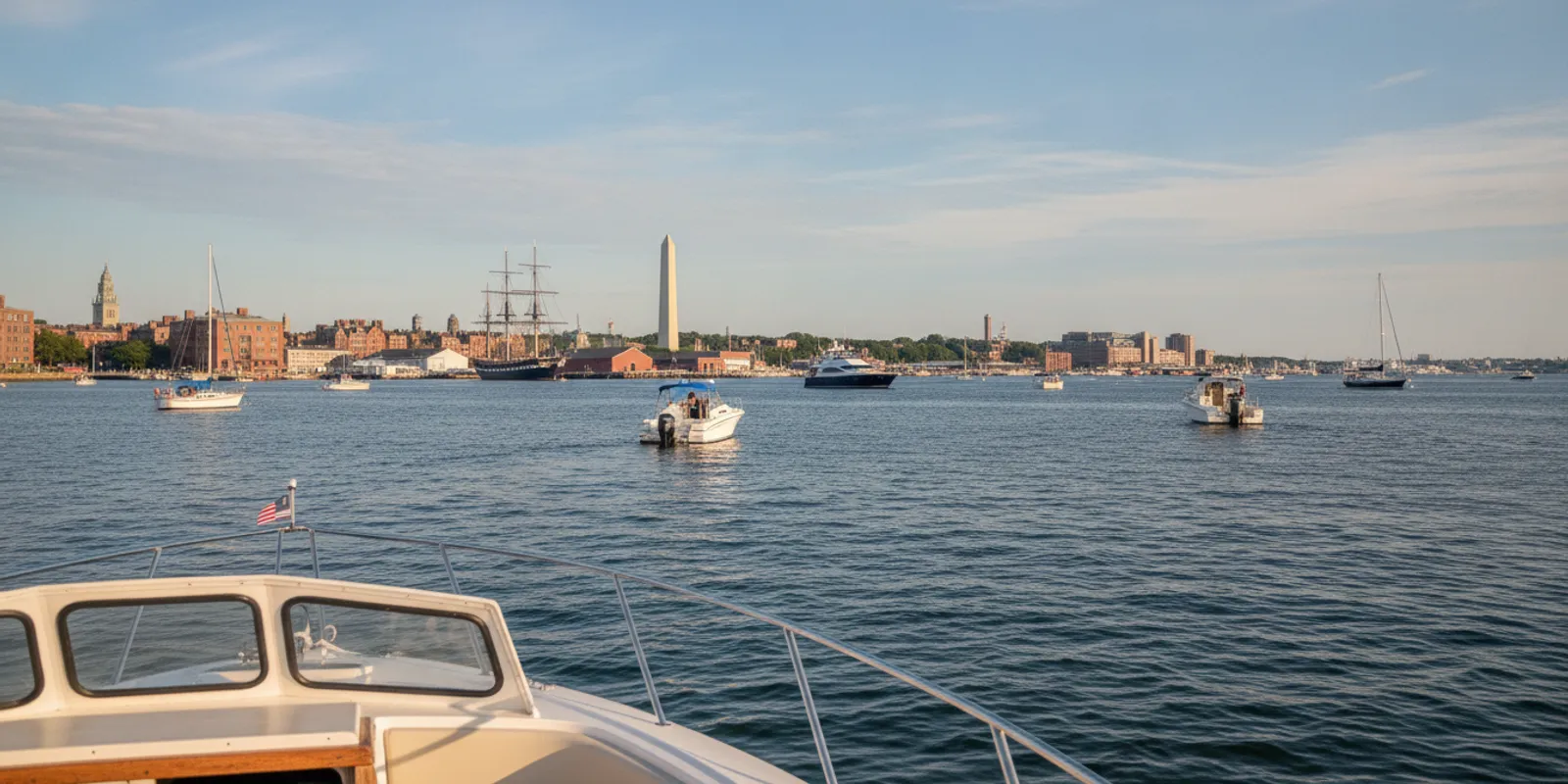
Planning a trip to Constitution Wharf by boat starts with one important distinction: a destination on the waterfront is not automatically a place where a visiting boat can tie up. The Constitution area sits within busy Boston Harbor, where conditions, access, and available facilities can change. Use this guide to plan an enjoyable harbor outing, understand what to confirm before you go, and keep your visit respectful without assuming a particular dock or attraction connection.
Schedule a tour and ask about Boston Harbor boating
Where Is Constitution Wharf in Boston Harbor?
Constitution Wharf is a waterfront destination in the Charlestown part of Boston Harbor. Nearby maritime landmarks make the area recognizable, but the shoreline includes working and visitor spaces with different rules. A waterfront address, public attraction, or nearby marina does not by itself establish that a vessel may land there.
The U.S. Navy’s visitor information places USS CONSTITUTION at Boston Harbor on Tudor Wharf and provides public visitation information. That confirms useful location context, not permission to dock a private boat at the ship, the wharf, or another nearby facility. Check current visitor details directly with the U.S. Navy visitor information page before making shore visits part of your plan.
For broader orientation to the local boating area, see the club’s Boston boating location information. Treat it as a starting point for understanding the area, not as confirmation of a specific berth, route, or access arrangement at Constitution Wharf.
What Should You Confirm Before Heading Toward Constitution Wharf?
Make your plan around verified access rather than an assumption that a landmark has visitor dockage. Before departure, identify where you can legally and safely stop, how long you may remain, whether reservations or fees apply, and how you will get from an authorized landing place to the place you want to visit.
When contacting a facility, be specific. Give the approximate arrival window, vessel type and dimensions, number of people aboard, and how long you expect to stay. Ask whether the facility can accommodate your boat on that date, whether you need to call again while underway, and what to do if you arrive and cannot reach staff. Confirm whether the visitor route to your intended destination is open and practical for your group.
Keep confirmation details available on board, along with a phone charged for communication. If your reservation or permission is conditional, understand those conditions before departure. A plan should include the facility’s instructions for late arrival or changed conditions, not just its name and location on a map.
- Confirm landing permission. Contact the marina or facility you intend to use. Ask whether transient boats are accepted, what vessel sizes can be accommodated, and whether advance arrangements are required.
- Check the exact location. Confirm the facility’s current address, entrance, approach instructions, and check-in process. Similar waterfront names can refer to different properties.
- Ask about current restrictions. Construction, security procedures, events, or temporary closures can affect access. Verify before you leave rather than relying on an old map pin or a past visit.
- Plan the last stretch on foot. If you will go ashore, check the walking route, opening hours, accessibility, and time needed to return to your boat.
- Keep a backup plan. Identify another confirmed place to stop or decide in advance to remain on the water if access is unavailable.
For first-time boaters, the club’s on-the-water training information explains the role of instruction in building confidence. A harbor visit still calls for careful preparation, even when you have boating experience.
What Should Everyone Know Before Departure?
A short onboard briefing helps the whole group feel prepared. Explain where passengers should sit while underway, how to hold on when moving, and which areas they should keep clear. Show them how to use life jackets that fit, where basic safety items are stored, and how to get the operator’s attention. Give people a chance to ask questions before the boat leaves the dock.
Agree on a simple communication plan. Passengers should know who is operating the boat, how to reach that person if they are away from the helm, and what to do if the group needs to change plans. Keep phones protected from water and do not rely on a single device for every navigation or communication task. The operator should remain focused on the boat and surroundings rather than being asked to manage avoidable questions while maneuvering.
Check that personal items are stowed so they cannot slide into walkways or interfere with movement. Secure food and drinks, keep loose lines and bags out of the way, and avoid crowding around the helm. If someone feels unwell or uneasy, speak up early. Small adjustments to seating, speed, or the plan can make the outing more comfortable for everyone.
How Can You Plan a Sensible Route Through the Harbor?
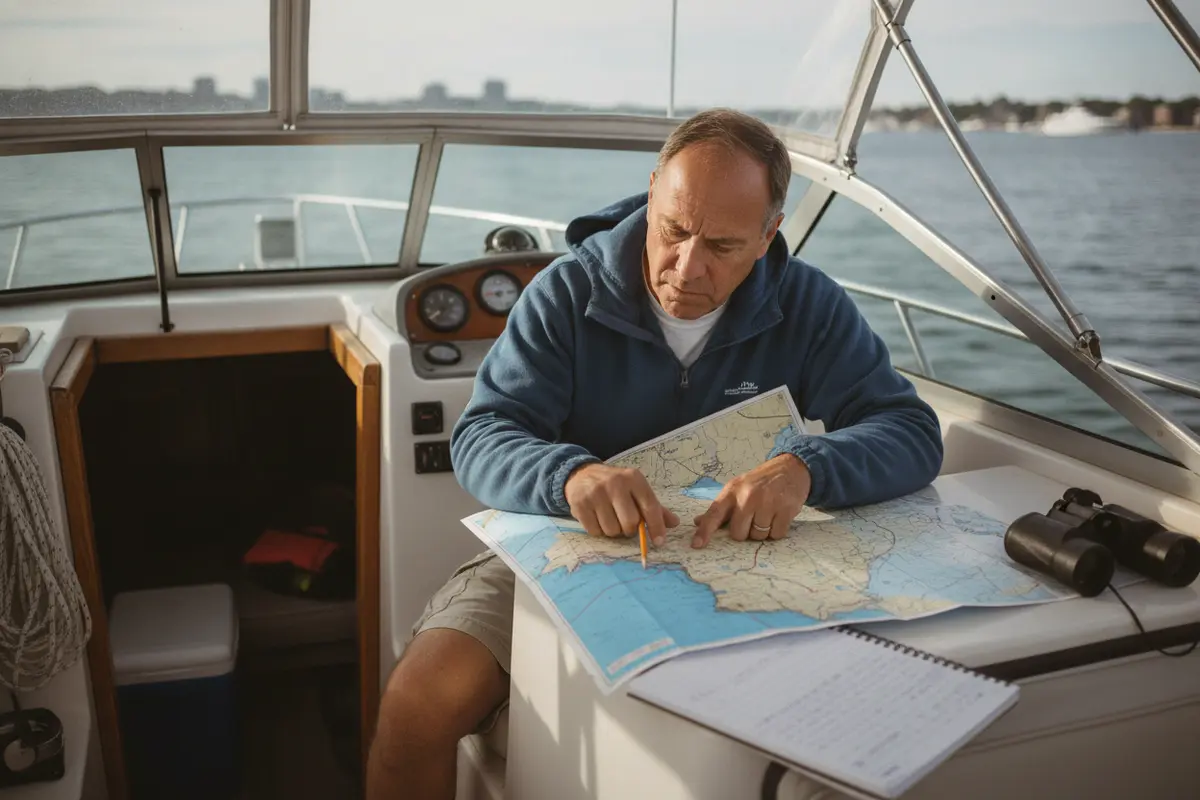
Start with a current chart and navigation information for the vessel and conditions. Mark your departure point, intended stopping place, and a return route. Then review the full trip, not only the destination: harbor traffic, crossing points, channel edges, maneuvering room, and the time needed to return all matter.
Do not treat a map screenshot or a suggested line as a substitute for current navigation information and judgment on the water. Water levels, traffic, weather, and local directions can change. Use the navigation tools appropriate to your boat, keep a lookout, and follow posted signs, channel markers, and lawful instructions. If a route or landing point is unclear, ask a qualified local boating professional before setting out.
Estimate travel time conservatively. Include time to depart, slow down in congested areas, make safe turns, and return before conditions or visibility become a concern. Leave enough flexibility to change course. A sightseeing plan should never require rushing through a crowded area or entering a restricted space.
It helps to divide the outing into simple legs: departure to the harbor, the approach to the area you want to see, any confirmed stop, and the return. For each leg, consider where you can safely pause or turn around, how much daylight remains, and what you will do if traffic is heavier than expected. Keep the plan understandable to everyone aboard, not just the person operating the boat.
Before leaving, tell a passenger the basic itinerary and expected return time. Make sure someone aboard knows how to contact the operator or request help if needed. If the destination cannot be reached comfortably, agree that turning back is an acceptable outcome. A flexible plan is more useful than a precise schedule that leaves no margin for changing conditions.
Review basic boat navigation principles before your trip if you are unfamiliar with charts, markers, or route planning. For Boston Harbor-specific preparation, the club’s Boating 101 guide is another useful starting point.
What Weather and Harbor Conditions Should You Watch?
Boston Harbor conditions can feel different from the forecast at your home or marina. Wind direction and strength, visibility, waves, current, and boat traffic can all affect comfort and control. Check a marine forecast close to departure, then keep monitoring conditions during the outing. A forecast is guidance, not a guarantee that the route will remain comfortable.
Before you leave, decide what would make you delay, shorten, or cancel the trip. For example, you may set personal limits for wind, visibility, or wave conditions based on the boat, the least experienced person aboard, and your own skill. If the forecast or conditions exceed those limits, choose another day. Do not let a booked shore visit or a tight schedule pressure you into continuing.
Recheck the forecast before departure and note whether it is expected to change during the time you will be out. Conditions at the harbor entrance or an exposed stretch may differ from a sheltered point at the dock. Have a practical alternative, such as staying closer to your departure location or ending the outing early. If anyone aboard is becoming uncomfortable, treat that as useful information and adjust the plan rather than waiting for a small concern to become a larger one.
Think about passengers as well as the forecast. Children, older adults, and people who are new to boating may need more time to board, move around, and follow instructions. Keep the outing manageable for the least experienced person aboard. If a shore stop involves a long walk, stairs, or an uncertain return route, verify those details before inviting passengers who may need additional support.
Make sure required safety equipment is aboard and accessible, not buried under bags. Review the boat’s operating instructions, tell everyone where safety items are, and agree on how to communicate if plans change. The boat safety equipment checklist can help you think through preparation. It does not replace applicable regulations, a vessel-specific briefing, or sound judgment.
Passengers should dress for changing conditions and bring water, sun protection, and any personal items they need. Keep walkways clear and distribute people and gear safely. Before departure, explain where to sit, how to move around, and what to do when the boat slows or turns.
How Can You Be a Considerate Visitor on the Water?
Boston Harbor is a shared working and recreational waterway. Give other vessels room, keep a steady lookout, and avoid sudden maneuvers. Slow down where required and wherever traffic, shoreline activity, or conditions call for extra care. Do not create wake close to other boats, docks, or people along the waterfront.
Respect facility boundaries and posted directions. Do not tie up to a vessel, mooring, pier, or structure unless you have clear permission. Keep clear of restricted areas and working waterfront activity. If a landing is not confirmed, do not improvise one at a seawall or public-looking edge.
When you go ashore, take your belongings with you, keep noise reasonable, and follow the site’s visitor rules. Do not assume that public access to one attraction includes access to nearby private property or marina facilities. Check current information for the place you plan to visit. The New England boating etiquette guide offers more reminders for sharing local waters thoughtfully.
Which Planning Option Fits Your Visit?
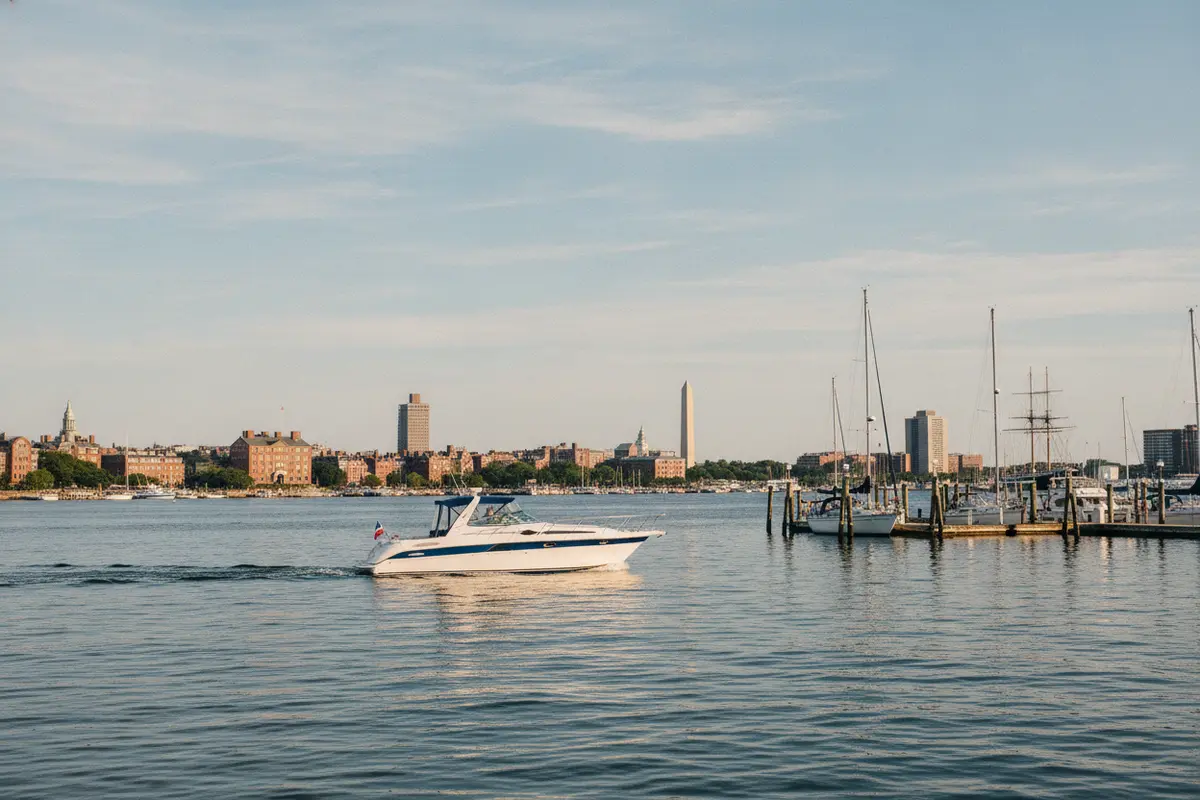
The best plan depends on whether your priority is time on the water, a shore visit, or both. Compare the practical requirements before you choose; none of these options should be taken as confirmation that Constitution Wharf itself offers a place to dock.
| Plan | What to arrange | Best fit | Main caution |
|---|---|---|---|
| Harbor cruise without landing | Route, forecast, vessel briefing, and return timing | Seeing the harbor from the water | Stay clear of restricted areas and manage wake and traffic carefully |
| Visit a confirmed marina or facility | Permission, availability, arrival instructions, and any applicable fees | Boaters who want a planned stop ashore | Confirm the exact facility and its current rules directly |
| Join a guided or instructed boating outing | Provider details, schedule, what is included, and participation requirements | People who prefer added structure or support | Confirm the outing’s actual route and whether it includes a shore stop |
| Plan a club boating day | Membership details, training, reservation procedures, and suitable boat availability | People considering ongoing boating access in the area | Do not assume a specific boat, dock, route, or attraction partnership |
Carefree Boat Club is a membership-based boating option in Massachusetts, not a promise of a particular Constitution Wharf arrival or berth. Read about membership and how it works, and review the Massachusetts fleet information to understand the kinds of boating details to discuss. Availability and trip planning should be confirmed with the club rather than inferred from a destination article.
How Does a Club Membership Fit a Boston Harbor Day?
A club can be worth exploring if you expect to boat regularly and want a membership-based alternative to owning and maintaining a vessel. The practical questions are personal: how often you hope to go, which home-port location works for you, what kind of boating you enjoy, and what training or support would help you feel prepared.
Carefree Boat Club is family-owned, and prospective members can speak with a real person about local boating and membership questions. The club offers boating locations in Boston, Danvers, and Gloucester, but a Constitution Wharf visit still depends on current navigation conditions and independently confirmed access. See the membership frequently asked questions for general information, then ask about the details that matter to your plans.
For many people, a first conversation is a chance to clarify expectations rather than commit to a particular itinerary. Ask about training, reservations, the boats that may suit your plans, and how to verify the details of a proposed trip. A good plan leaves room for weather and access changes.
Contact the club to discuss Boston Harbor membership
What Questions Do Boaters Ask About Constitution Wharf?
Can I dock my boat at Constitution Wharf?
Do not assume you can. Confirm docking permission and availability directly with the specific marina or facility you intend to use. A nearby landmark or visitor destination does not establish that its dock is open to private boats.
Is USS CONSTITUTION open to visitors?
The Navy visitor information page describes public visitation. Check the current Navy visitor information for details before you travel, and remember that public ship visitation is separate from permission to bring a boat alongside.
What should I do if weather changes during my trip?
Follow your pre-trip decision limits, monitor conditions, and choose the safest available option for the vessel and people aboard. That may mean shortening the outing, changing the route, or returning early. If conditions are beyond your skill or comfort, do not continue toward a planned stop.
What Is the Best Next Step for Planning?
Choose your purpose first: a harbor view from the water, a confirmed stop ashore, or a conversation about regular boating access. Then check current visitor information, verify any landing directly with the facility, review weather and navigation details, and build a flexible plan. With access confirmed and safety at the center, you can enjoy Boston Harbor without assuming that a destination guarantees a dock.