
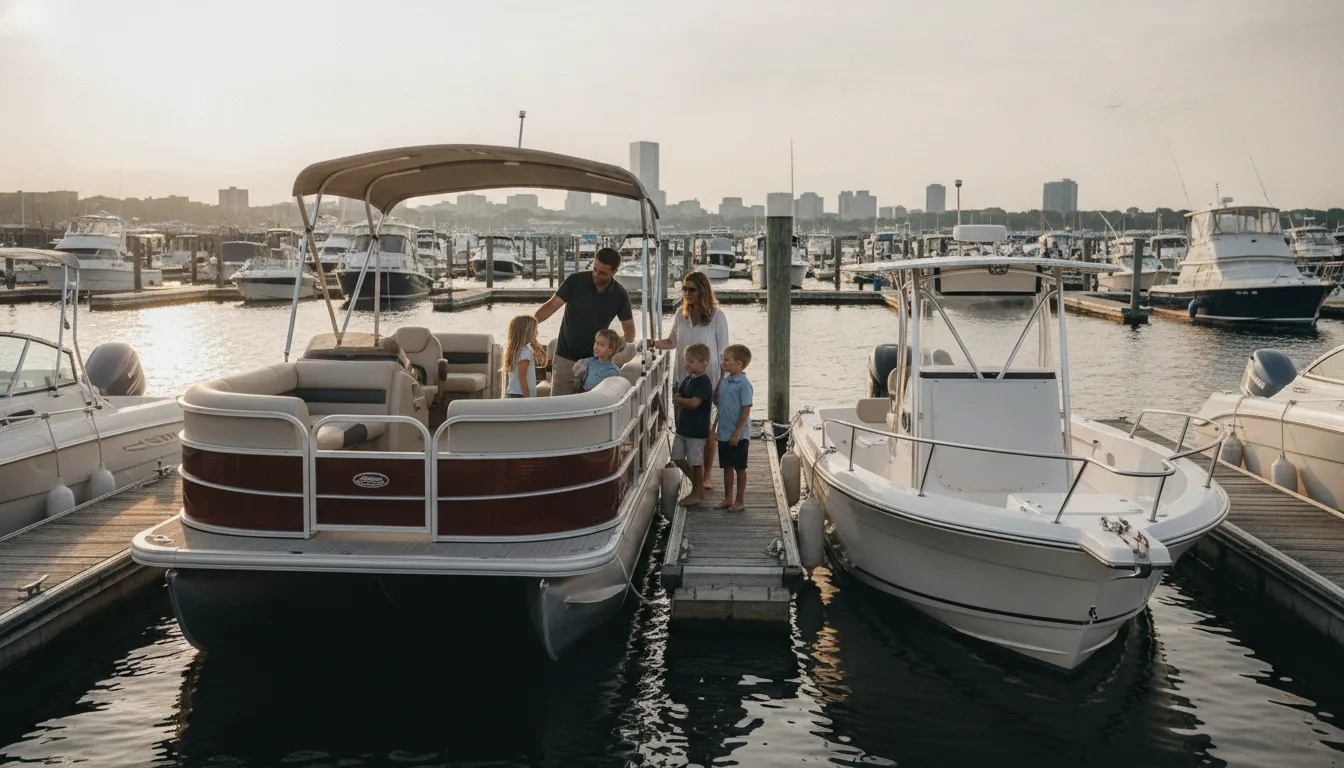
Choosing a boat is not only a question of what you want to own. It is also a question of how you expect to spend your time on the water. A single boat can be a rewarding fit for one routine, while a club fleet can make it easier to plan a family outing. The choice comes down to whether you want one vessel for every trip or access to several boat types for different days. This guide compares boat club fleet variety vs single boat ownership for Massachusetts families. It builds on our look at the challenges of traditional boat ownership so you can see the full picture before you decide.
Book a free tour to compare the fleet and find the right boating fit for your Massachusetts family.
Boat club fleet variety vs single boat ownership is a choice between matching the boat to each outing and adapting every outing to one hull. A club fleet can support fishing, family cruising, and entertaining, while the club handles routine upkeep. Members may also receive reciprocal access at more than 150 participating locations.
For Massachusetts boaters, that difference matters when schedules, guests, and plans change from one weekend to the next. Start by looking at what a single boat can realistically accommodate, then consider how fleet access may broaden the experience.
Why Does Single Boat Ownership Limit Your Boating Experience?
Buying one boat gives you control, but it also commits you to one hull, one layout, and one primary way to spend time on the water. A center console may be a strong fit for fishing and exploring open water. Yet it may not offer the same space and comfort for a large family gathering. A spacious pontoon can be ideal for relaxed cruising, but it may not suit every outing. When the boat is yours, that compromise follows you from trip to trip.
That is the central difference in boat club fleet variety vs single boat ownership. With one boat, you plan around the vessel you purchased. With a club such as Carefree Boat Club, you can choose the type of boat that fits the day instead of forcing every day to fit the same boat.
The limitation is not only about the on-water experience. Ownership also brings a full stack of financial and practical responsibilities:
- The purchase price is only the beginning of the commitment.
- Maintenance, repairs, winterization, and routine cleaning remain your responsibility.
- Storage and insurance add ongoing obligations, whether or not you use the boat that week.
- Fuel costs vary with the boat and outing, while scheduling and refueling require your time.
- You manage launch planning, equipment checks, upkeep, and the details that make the boat ready to operate.
General boating guidance often treats annual maintenance as a meaningful percentage of a vessel’s value, although the actual amount depends on the boat, age, condition, and use. That makes it important to consider the complete ownership picture, not just the purchase decision. Our guide to the challenges of traditional boat ownership covers those responsibilities in more detail. If you are considering buying your own boat, it is worth evaluating how often you would use that specific model and what happens when your plans change.
Safety compliance is another part of personal boat management. Owners must understand and maintain required equipment, including visual distress signals, navigation lights, sound-producing devices, and fire extinguishers. They also need to pay attention to ventilation and carbon monoxide protection. The U.S. Coast Guard recommends maintaining fresh air circulation, using exhaust blowers when appropriate, and installing and maintaining carbon monoxide alarms. See the U.S. Coast Guard’s carbon monoxide safety guidance for the details.
For many Massachusetts families, the appeal of fleet variety is practical rather than flashy. A boat suited to fishing may not be the best choice for hosting relatives, and the best boat for a calm afternoon cruise may not fit every season. Access to more than one type of boat can reduce that compromise while Carefree Boat Club handles the maintenance and readiness work behind the scenes. You spend more of your boating time choosing the experience you want rather than managing the limitations of a single hull.
What Does Boat Club Fleet Variety vs Single Boat Ownership Mean for Massachusetts Boaters?
Choosing between a boat club and ownership comes down to one question: do you want the right boat for each outing, or one boat for every outing? With a traditional purchase, your vessel determines how you spend your time on the water. A fishing-focused boat may be excellent for casting lines but less comfortable for a family picnic. A spacious boat may work well for entertaining, yet feel less suited to exploring shallow coves or moving efficiently along the coast.
Carefree Boat Club offers a different kind of flexibility. Instead of committing to one boat type, members can select from a changing mix of boats suited to different activities. That variety is the unlocked value of membership: you are gaining more ways to enjoy boating throughout the season rather than paying for use of a single vessel.
What does variety look like on the Massachusetts North Shore?
For families around Boston, Danvers, Gloucester, and the wider North Shore, different days call for different boats. A pontoon can make a relaxed group cruise comfortable, while a center console can be a better fit for fishing, coastal exploring, or an active day underway. A dual console can bridge the gap, giving your group both usable seating and versatility for changing plans. The best choice depends on who is coming, what you want to do, and the conditions you expect to encounter.
That choice is difficult to recreate with individual ownership. When you own one boat, you own its strengths and limitations as well. You may be able to add accessories or change your plans, but you still return to the same hull, layout, and capabilities every time. A club model lets the outing guide the boat rather than forcing the outing to fit the boat.
How does the club model reduce ownership responsibilities?
Ownership gives you complete control, but it also leaves you responsible for the logistics that make boating possible. Maintenance, insurance, storage, and regulatory upkeep all remain part of the ownership experience. A club handles those responsibilities for its fleet so members can spend more of their time preparing for the day on the water instead of preparing the boat itself. This does not remove the need for responsible operation, because members still receive the training and guidance needed to use each vessel safely.
The value of club membership is therefore about more than comparing one payment with another. It is about comparing one fixed boat with broader access, less upkeep, and more freedom to match the vessel to the moment. Carefree members also receive reciprocal access at more than 150 participating club locations nationwide, which can add flexibility when boating plans take them beyond Massachusetts.
For someone who wants the pride and control of owning one specific boat, ownership may be the right fit. For a family that wants fishing one weekend, cruising the next, and an easy group outing after that, fleet variety can make boating more useful, social, and enjoyable.
What Boat Types Does Carefree Boat Club Keep in Its Fleet?
Carefree Boat Club of Massachusetts is designed around access to more than one kind of boat. Instead of choosing a single vessel that must serve every outing, members can select a boat type that fits the day’s plans, the group coming along, and the conditions on the water. That flexibility is especially useful for North Shore families who may want a relaxed harbor cruise one weekend and a more active day of fishing or exploring the next.
The local fleet includes several practical categories, such as:
- Pontoons: A spacious, stable option for families, social outings, swimming, and relaxed cruising. The open layout makes it easier for people to spread out and enjoy time together.
- Center consoles: A versatile choice for cruising, coastal exploring, and fishing. The open deck layout supports movement around the boat and gives the operator good visibility.
- Dual consoles: A flexible all-around design that balances comfortable seating with useful open space. It can work well for family cruising, sightseeing, and a variety of recreational plans.
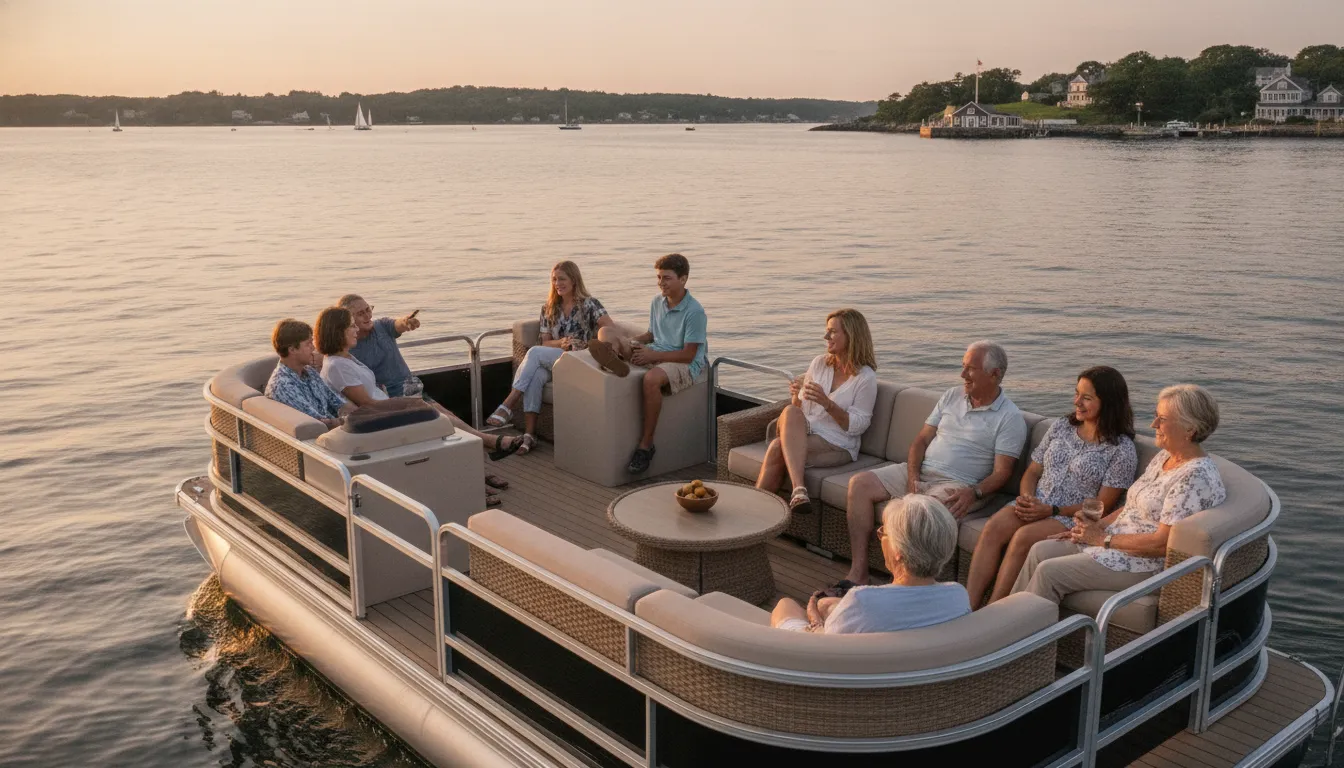
These categories are not a promise that every boat will be available for every reservation, because fleets fluctuate with membership, seasonal operations, maintenance, and the club’s ongoing updates. For the most current information, review our current fleet before planning a specific outing.
The value of this variety is not simply having more choices on a webpage; it is the ability to match the vessel to the experience. A pontoon may make the most sense when several relatives are joining for an easy afternoon. A center console may be better suited to anglers or members who want to cover more water. A dual console can provide a comfortable middle ground when the group wants both sheltered seating and room to move.
That approach creates a different ownership experience. When someone owns one boat, that vessel has to cover nearly every use case, even when its layout is not ideal for a particular day. With a club fleet, members can think about the outing first and the boat second. Carefree’s revolving reservation system and low member-to-boat ratio are intended to support dependable access, while training and local support help members use the boats confidently.
Membership also extends beyond Massachusetts through reciprocal access at more than 150 participating Carefree Boat Club locations nationwide. A varied local fleet, combined with access in other destinations, gives members more ways to enjoy boating without limiting every trip to one boat type.
Pontoons vs. Center Consoles: When Does Each Type Shine?
The best boat for a Saturday afternoon depends on who is coming along and what you want to do. A pontoon creates a comfortable social setting, while a center console gives anglers and open-water explorers a more purposeful layout. Neither is automatically the better choice, because the right fit changes with the outing.
That flexibility is one of the practical advantages of membership at Carefree Boat Club. Instead of purchasing one hull and adapting every trip around it, members can select a boat type that suits the day’s plans. Club boats are generally single-engine, versatile vessels in the 17-to-25-foot range, giving members approachable options for many Massachusetts boating days.
| Boat type | Best for | Space and passengers | Typical outings | Handling |
|---|---|---|---|---|
| Pontoon | Relaxed cruising, swimming, and entertaining. | Wide, open deck with room for groups, often accommodating up to about 12 people depending on the boat. | Family cruises, waterfront sightseeing, picnics, and social afternoons. | Stable and comfortable at cruising speeds, with an easy layout for moving around onboard. |
| Center console | Fishing, active cruising, and more open-water versatility. | Open walkaround layout with practical deck space, though usually less lounge-oriented than a pontoon. | Fishing trips, exploring the coastline, and outings where maneuverability matters. | Responsive and purposeful, with clear sightlines and access around the console while underway. |
A pontoon is often the natural choice when the boat itself is part of the gathering. The broad deck makes it easier for families and friends to spread out, share lunch, help children move safely between seats, or enjoy a calm ride together. It prioritizes usable space and comfort over a specialized fishing setup.
A center console can make more sense when the activity is the focus. Its open deck and central helm support fishing, casting, checking gear, or moving around the boat. It also suits boaters who want to cover more coastline and spend less time anchored in one place. The design feels ready for changing conditions and changing plans.
With a single boat purchase, choosing between these layouts is a long-term commitment. With Carefree Boat Club, the decision can be made trip by trip. A family celebration may call for a pontoon, while an early fishing morning may favor a center console. That is the everyday value of comparing boat club fleet variety vs single boat ownership: one membership can support more than one kind of day on the water.
How Do You Match the Right Boat to the Right Outing?
- Start with the people joining the outing and the space they need.
- Choose the activity, such as fishing, cruising, or entertaining.
- Consider the conditions and route before selecting a boat.
- Review the reservation details and prepare for a safe departure.
- Return the boat as directed so it is ready for the next member.
The best boat for a quiet afternoon with your family may not be the best boat for a morning of fishing or an evening with friends. That is where a varied club fleet changes the experience. Instead of shaping every outing around one vessel, you can choose the boat that fits the people, the activity, and the conditions you have in mind.
For a family afternoon cruise, look for a boat with open seating, room to move around, and an easy layout for swimming, snacks, and conversation. A pontoon or another spacious design can make it simpler for everyone to settle in comfortably, especially when children or several generations are joining you. The goal is not speed or specialized equipment; it is creating an inviting platform for an unhurried day on the water.
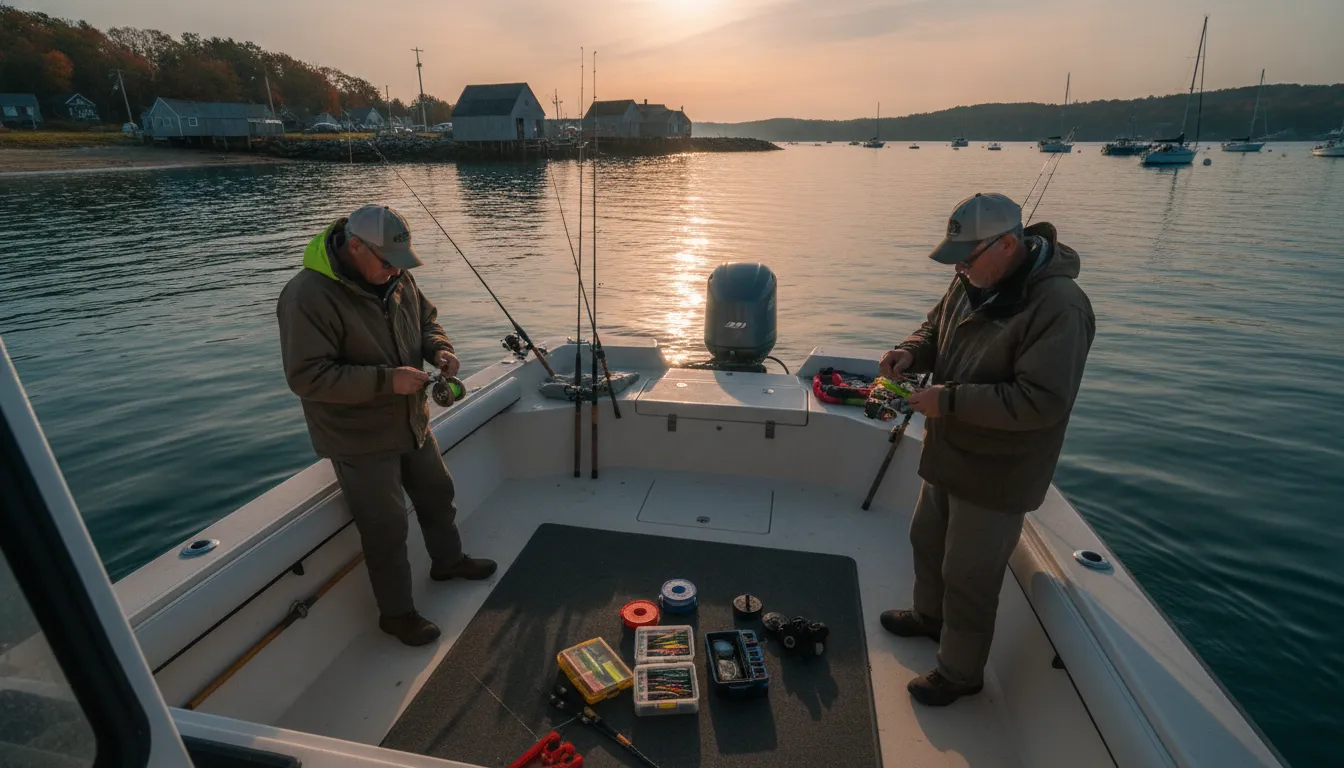
A fishing trip calls for a different set of priorities. A center console can provide useful space for casting, easier movement around the boat, and a practical layout for bringing tackle and gear aboard. You may also value a vessel that handles changing plans well. So a morning spent fishing can become a coastal cruise or a stop for lunch without requiring the compromise that comes with using a boat designed for only one purpose.
Entertaining guests may call for a balance of capacity, comfort, and flexibility. Consider how many people you are bringing, whether anyone will want to swim, and how much room you need for coolers and other essentials. A dual console or similarly versatile boat can support conversation and sightseeing while still giving guests a comfortable place to enjoy the day. Matching the boat to the group helps the outing feel relaxed before you even leave the dock.
Carefree Boat Club’s revolving reservation system supports this kind of planning. Members reserve the boat that suits the outing rather than relying on a first-come, first-served rental process or committing to the same boat every time. The club also maintains a low member-to-boat ratio to support guaranteed access. So members can plan around the experience they want instead of hoping the right vessel is available.
That flexibility is the practical difference between having access to a fleet and owning a single boat. One owned boat can be an excellent fit, but it will always represent one set of tradeoffs. With a club fleet, a family cruise, a fishing day, and a gathering with friends can each begin with a more suitable choice.
How Does Fleet Access Change the Way You Plan Your Time on the Water?
With a single boat, planning often starts with the vessel you own. A boat club lets you begin with the day you want to have, then choose the boat that best supports it. That difference can make boating easier for Massachusetts families whose plans change from one outing to the next.
A calm morning with two people aboard may call for a different setup than an afternoon with children, friends, and a cooler full of lunch. A center console can make sense for a fishing trip, while a pontoon or dual console may offer more room for a relaxed cruise or group gathering. Instead of adapting every outing to one hull, Carefree Boat Club members can match the vessel to the activity.
How does the reservation model support better planning?
Access only helps when members can realistically reserve a boat. Carefree Boat Club uses a revolving reservation system rather than relying on the first-come, first-served approach common with day rentals. Members plan ahead through the club’s booking process, and the club’s low member-to-boat ratio is designed to support guaranteed availability.
That model also removes a layer of preparation that can consume valuable time for individual owners. Members do not need to schedule a maintenance check, troubleshoot an issue, or prepare a stored boat before every trip. The club handles the ongoing upkeep and operational details. So the member’s planning can focus on practical questions such as who is coming and which boat fits the conditions and the planned activity.
This is one reason the flexibility of boat memberships and subscriptions is about more than having access to a boat; it is about having a more adaptable way to use your time. A family can plan a short evening cruise without committing to a full day on the water. And friends can organize an outing around fishing, sightseeing, or entertaining instead of trying to make one boat serve every purpose.
Can fleet access make boating easier when you travel?
The planning advantage extends beyond the Massachusetts North Shore. Carefree Boat Club membership includes reciprocal access at more than 150 participating club locations nationwide. When travel takes you away from Boston, Danvers, or Gloucester, you can often plan time on the water through a participating location. It is a convenient alternative to arranging a separate rental from scratch. Availability, reservation procedures, and local fleet offerings can vary by location, so members should confirm details before making travel plans.
For boaters who value variety, dependable access, and less time spent preparing equipment, fleet access changes the focus from managing one asset to making the most of each outing.
See the fleet in person and discuss which membership option fits your boating plans.
Frequently Asked Questions
What are the main differences between boat club membership and boat ownership?
Ownership gives you control of one specific boat, but you also manage its storage, insurance, fuel, maintenance, and seasonal preparation. A boat club gives you access to a maintained fleet. So you can choose a boat that fits the outing without committing to one hull and its full set of responsibilities.
Can I switch between boat types in a boat club?
At Carefree Boat Club, members can choose from the available fleet when making a reservation. A pontoon may suit a group cruise, while a center console may fit fishing or coastal exploring. Availability depends on the date, location, and reservation rules, so review those details before joining.
Does owning a boat or joining a club offer more freedom?
They offer different kinds of freedom. Ownership gives you direct control of one vessel, while a club can provide flexibility to match the boat to the activity and reciprocal access at participating locations. For many Massachusetts families, that variety makes it easier to plan different kinds of days on the water.
What maintenance responsibilities come with single boat ownership?
Owners are responsible for cleaning, mechanical maintenance, storage, insurance, and required safety equipment. They also need to keep the vessel compliant with applicable Coast Guard requirements. Club members still operate boats responsibly, but Carefree Boat Club manages routine fleet upkeep and preparation.
Ready to Explore the Fleet?
Seeing the boats in person can make the comparison more practical. A tour lets you ask how different models fit fishing, family cruising, and other plans around Boston, the North Shore, and Cape Ann. Carefree Boat Club is locally owned and operated in Massachusetts, with reciprocal access to more than 150 participating locations for eligible members. If you are weighing a boat club against a single-boat purchase, talk with the team. Discuss the experience you want to create on the water.