
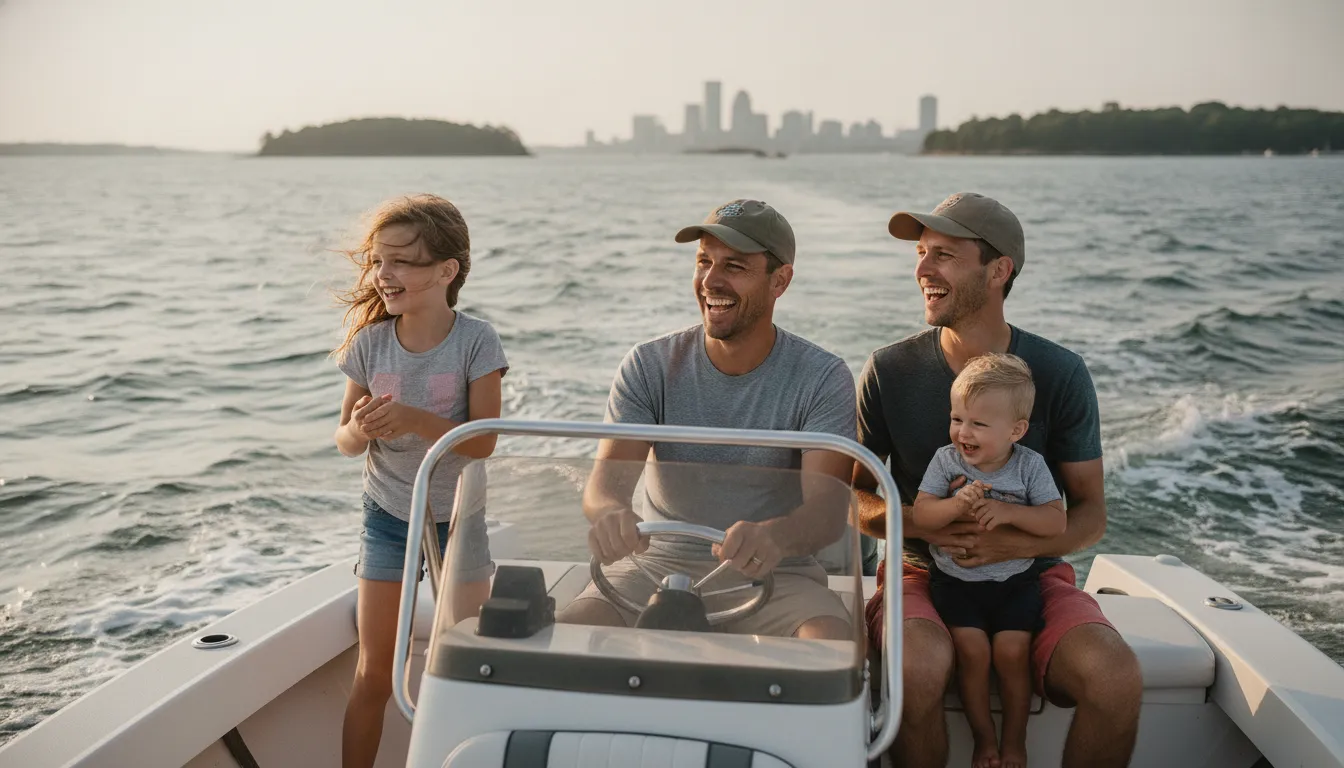
Massachusetts gives boaters an unusual range of choices in one state. The state has more than 1,200 miles of seashore, plus hundreds of lakes, ponds, and streams. That variety makes the right destination depend on the kind of day you want, your vessel, your experience, and the conditions forecast for the route.
Book a Carefree Boat Club tour
The best places to boat in massachusetts include Boston Harbor and the Harbor Islands, the North Shore around Danvers and Salem Sound, and Cape Ann near Gloucester.
Each offers a different mix of scenery, navigation, and planning considerations. Check current weather, local rules, charts, and access details before leaving shore. Massachusetts provides boating access information here.
Rather than ranking one shoreline above the rest, it helps to compare destinations by the experience they offer and the preparation they require. Start with the qualities that make a Massachusetts boating area worth adding to your plans.
What Makes the Best Places to Boat in Massachusetts Worth Visiting?
The best boating destination is not simply the one with the most recognizable name. It is the place that matches your experience, boat, available time, and reason for getting on the water. A relaxed family outing may call for sheltered water and an easy route. An experienced crew may prefer a longer coastal run, a working harbor, or access to open ocean. Conditions, local rules, and current access should always be checked before departure.
Massachusetts gives boaters an unusually broad range of settings to compare. The state has more than 1,200 miles of seashore, along with hundreds of lakes, ponds, and streams. The Massachusetts Office of Fishing and Boating Access provides access to many of these waterways, creating options beyond the better-known coastal harbors. Explore Massachusetts boating access resources when you are considering a new launch point or inland route.
Use four practical questions to narrow the choice:
- What kind of water fits the outing? Consider a harbor, river, island route, inland lake, or open-water trip.
- How much time do you have? Choose a destination that leaves room for departure checks, navigation, stops, and a safe return.
- What does the crew want to do? Sightseeing, swimming, fishing, wildlife viewing, and quiet cruising each call for different planning.
- What conditions and rules apply? Check the forecast, tides where relevant, charts, no-wake areas, local notices, and any destination-specific requirements.
Seasonal planning matters as well. The Massachusetts boating planning guide covers logistics such as weather, safety gear, fuel, reservations, and route preparation. Treat every recommendation as a starting point, then confirm current conditions before leaving the dock. That approach helps beginners build confidence and gives experienced boaters a clearer way to compare destinations across the state.
Why Is Boston Harbor One of the Best Places to Boat in Massachusetts?
Boston Harbor combines coastal scenery with unusual urban convenience. From the water, boaters can experience the Harbor Islands, working waterfronts, and open harbor views while staying close to one of New England’s largest cities. That mix makes it a practical choice for families planning a shorter outing. Experienced boaters looking for a familiar local route, and anyone who wants a distinctly Massachusetts day on the water.
The Boston-area Carefree Boat Club location is at Boston Harbor Shipyard & Marina in East Boston. Its position provides access to Boston Harbor, the Harbor Islands, and the Atlantic Ocean, subject to current conditions, trip planning, and applicable rules. The proximity to downtown Boston also makes the harbor easier to incorporate into a day that begins or ends in the city. Learn more about Boston Harbor access from the East Boston location.
Harbor Islands add variety without requiring every trip to have the same scope. A boater might keep the outing close to the inner harbor, plan time for an island destination. Or build a longer route around the group’s experience, vessel suitability, and the day’s weather. The right choice depends less on covering the most distance than on matching the plan to the time available and the people aboard.
For a broad overview of destinations and planning considerations, see the Boston Harbor boating guide. Readers considering Spectacle Island can also review the separate Spectacle Island by boat guide, which addresses route planning, weather, tides, safety, access, and recreation. These resources are useful starting points, but current notices and conditions should always shape the final plan.
Boston Harbor is especially appealing when convenience matters as much as scenery. East Boston access, nearby urban landmarks, and the range of possible trip lengths let boaters create a manageable outing rather than commit to one fixed itinerary. Check local requirements, navigation information, and conditions before departure, then choose a route that leaves room for a comfortable, attentive day on the water.
What Can You Explore Along the North Shore From Danvers?
Danversport Marina offers a practical starting point for exploring the North Shore by boat. From Danvers, a trip can begin along the Danvers River before opening toward Salem Sound and the waters around Marblehead. That range makes the area useful for different kinds of outings, from a shorter harbor-focused cruise to a longer coastal route planned around the day’s conditions.
The marina is described as a protected harbor with easy ocean access, along with member amenities that include a pool and dockside dining. The protected setting can be a comfortable place to begin or end a day on the water. But it should not be treated as a promise that every route will be suitable in every forecast. Wind, visibility, tide, current, and local notices can change the best plan.
How Does the Route Change From the Danvers River to Salem Sound?
The Danvers River provides an opportunity to get oriented before heading farther toward Salem Sound. Boaters should remain attentive to channel markers, no-wake requirements, traffic, and shoreline conditions as they move through narrower water and toward more open routes. A trip toward Marblehead may offer a different experience from staying close to the river. So the route should match the vessel, the experience level aboard, and the time available.
Before departure, check the current marine forecast, chart information, and harbor or municipal notices. It is also worth confirming that the planned route, vessel, fuel range, and safety equipment fit the conditions. Carefree Boat Club training addresses weather checks, navigation, local hazards, channel navigation, no-wake compliance, docking, radio procedures, and emergency response. Those skills help turn a destination idea into a more thoughtful plan.
For a broader seasonal planning checklist, see Massachusetts boating planning guidance. Newer boaters can also review Massachusetts boating safety tips for beginners, including weather checks, required gear, and float plans. These resources support the same principle: the best places to boat in Massachusetts are the ones that fit the day’s route and conditions. Not simply the most recognizable destination.
Why Does Cape Ann Stand Out for Harbor and Ocean Boating?
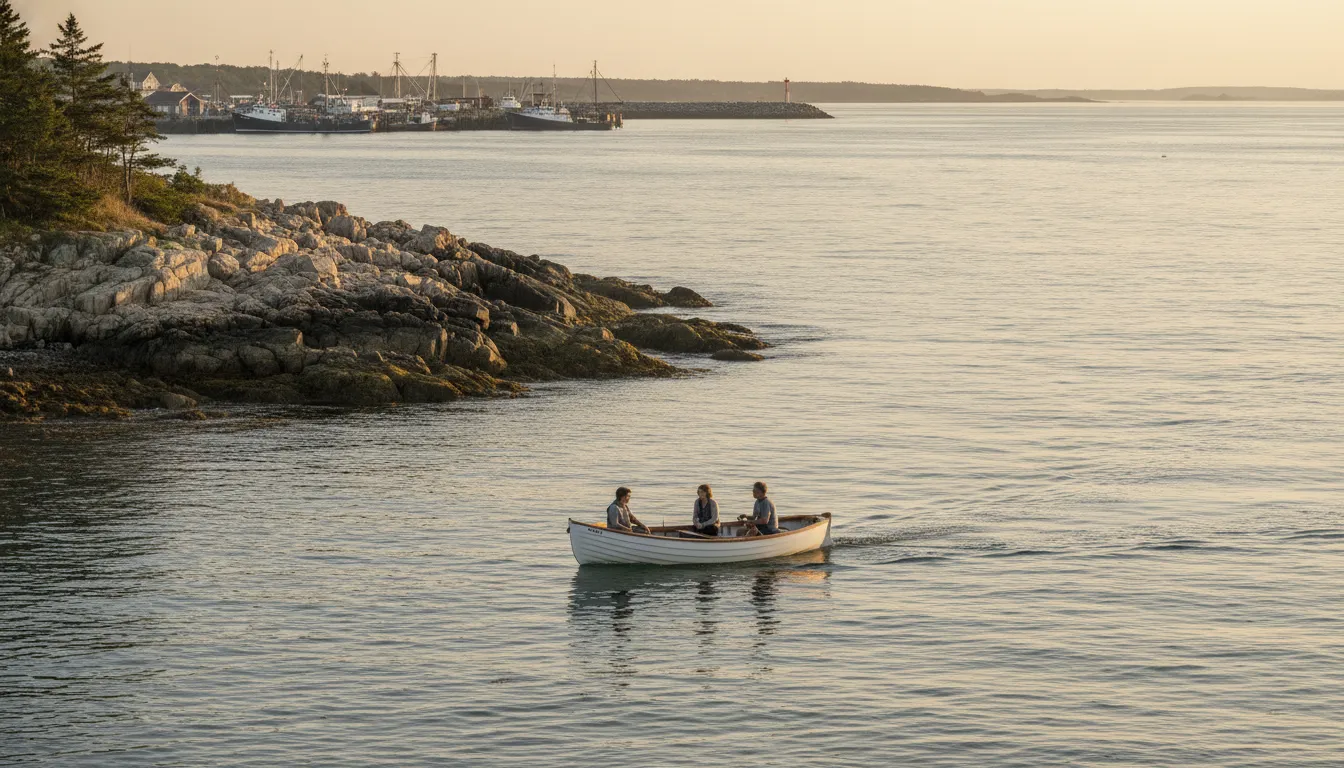
Cape Ann gives boaters a distinctive combination of harbor character and open-water access. At its center, Gloucester Harbor remains closely connected to the region’s working waterfront. From Gloucester Marina, boaters can reach Gloucester Harbor and the Atlantic Ocean, while the surrounding area is near established fishing grounds. These features make the destination appealing to anglers, families, and anyone who wants a trip shaped by the coast rather than an urban skyline. The current weather, sea conditions, vessel, and local notices should always guide the final plan.
The setting also makes Cape Ann a useful choice for different kinds of outings. A harbor-focused trip can provide time to observe waterfront activity and learn how commercial and recreational traffic share the water. With suitable conditions and a properly equipped boat, an outing can extend toward Atlantic waters or fishing areas. That range is part of what places Cape Ann among the best places to boat in massachusetts, but it does not mean every route is appropriate for every crew or every day.
How Can You Include Wildlife Viewing Responsibly?
Gloucester is near whale-watching areas, creating opportunities for wildlife-aware observation when conditions and current guidance support it. Wildlife encounters are never guaranteed, and boaters should avoid treating animals as attractions to approach or pursue. Keep a respectful distance, reduce disturbance, follow applicable rules, and give other vessels room to maneuver. Check current local and marine guidance before departing, since wildlife locations and conditions can change.
For a deeper look at the harbor setting and practical route-planning considerations, read this Gloucester Harbor boating guide. Whether the plan centers on fishing, harbor exploration, or a carefully chosen Atlantic outing, Cape Ann rewards preparation. Review charts, weather, vessel fit, communications, and safety equipment before leaving the marina, then let the day’s conditions determine how far the trip should go.
Which Massachusetts Boating Destination Fits Your Day on the Water?
The best places to boat in Massachusetts depend on the experience you want. How far you plan to travel, and what conditions look like on the day of your trip. Boston Harbor, the North Shore, and Cape Ann each offer a different starting point for planning a day on the water.
| Destination | Scenery and experience | Planning lens | Who may prefer it |
|---|---|---|---|
| Boston Harbor | Harbor and Harbor Islands scenery with access close to downtown Boston and the Atlantic Ocean. | Consider an urban starting point, route length, island plans, weather, and current access guidance. | Boaters who want a city-connected outing, Harbor Island possibilities, or a convenient Boston-area launch point. |
| North Shore and Danvers | Danvers River, Salem Sound, and routes toward Marblehead from Danversport Marina. | Compare river, harbor, and open-water portions of the route, then check local rules and conditions before leaving. | Families and North Shore boaters looking for varied nearby waterways and a practical Danvers starting point. |
| Cape Ann and Gloucester | Gloucester Harbor, a working waterfront, Atlantic scenery, fishing grounds, and nearby whale-watching areas. | Plan around the intended harbor or ocean experience, vessel fit, wildlife awareness, and current marine conditions. | Boaters drawn to ocean settings, working-waterfront views, fishing, and Cape Ann exploration. |
These destinations are useful comparison points, not guarantees about a particular trip. The Boston location is at Boston Harbor Shipyard and Marina in East Boston, while the Danvers location is at Danversport Marina. Gloucester Marina provides a Cape Ann starting point. Before choosing a route, check the forecast, navigation information, local notices, and any destination-specific requirements. Conditions can change, and a comfortable plan should leave room to shorten or adjust the outing.
Massachusetts offers more than 1,200 miles of seashore as well as hundreds of lakes. Ponds, and streams, so the right destination may change with your group and your goals. Start with the kind of day you want, then match the route and vessel to current conditions rather than choosing a location based on scenery alone. Sources: Boston Harbor access, Gloucester and Cape Ann access, and Massachusetts waterway access.
How Should You Plan a Safe Massachusetts Boating Trip?
A good day on the water starts before the boat leaves the dock. Conditions can change between Boston Harbor, the North Shore, and Cape Ann, so treat every outing as a fresh planning exercise. Check the forecast, review current marine notices, and be willing to shorten or cancel the route if visibility, wind, waves, or thunderstorms make the trip uncomfortable or unsafe.
Use this pre-departure sequence for a practical safety check:
- Review weather and marine notices. Look at the latest marine forecast, visibility, wind, waves, and thunderstorm risk. Check for current harbor, island, park, or wildlife-access notices that could affect the route. Fog and lightning require a conservative plan, not a last-minute adjustment.
- Study the route and charts. Identify channels, shallow areas, bridges, restricted areas, no-wake zones, and a reasonable alternate route. Confirm local rules before departure. The Massachusetts boating safety laws guide is a useful starting point, but current official notices and on-water judgment still matter.
- Match the vessel and fuel plan to the trip. Consider passenger count, distance, draft, handling experience, and the conditions you may encounter. Confirm the fuel level, expected consumption, and a reserve for delays or a changed route. Do not choose a destination simply because it looks close on a map.
- Check safety equipment. Confirm that required life jackets and other safety equipment are present, serviceable, and appropriate for everyone aboard. Review the boat’s controls and emergency equipment before leaving. These basics are covered in the Massachusetts boating safety tips guide.
- Set up communication and a float plan. Tell a trusted person where you are going, who is aboard, what boat you are using, and when you expect to return. Carry a charged phone in a protected case and know how to use the vessel’s radio. Training should include radio procedures, emergency response, docking, and local hazards. On-water boating training can help build that confidence.
- Operate for the conditions. Follow posted no-wake requirements, slow down near congestion and limited visibility, and keep monitoring the water after departure. If fog, lightning, fatigue, or worsening conditions changes the risk, head to a safe harbor or return early. A go/no-go decision is part of responsible boating, not a failure to complete the original plan.
For beginners and experienced boaters alike, preparation makes it easier to enjoy the best places to boat in Massachusetts without treating any destination or forecast as guaranteed.
How Can Carefree Boat Club Help You Spend More Time Exploring?
Finding the best places to boat in Massachusetts is easier when getting on the water does not begin with maintenance, storage, or ownership administration. Carefree Boat Club offers a way to focus more of your time on planning an outing, learning local waters, and enjoying the trip itself. The club is locally owned and was founded in 2015, with Massachusetts locations in Boston, Danvers, and Gloucester.
That local footprint creates different starting points for different kinds of days. The Boston location connects members with Boston Harbor and the Harbor Islands. From Danversport Marina, boaters can plan around the Danvers River, Salem Sound, and Marblehead. Gloucester provides a Cape Ann base near Gloucester Harbor and the Atlantic. Destination access still depends on the boat, weather, rules, and current conditions, so each trip requires thoughtful planning.
Training can make that planning more practical, especially for newer boaters or anyone getting familiar with a different harbor. Instruction covers weather checks, safety equipment, navigation, local hazards, channels, no-wake compliance, docking, radio procedures, and emergency response. On-water boating training helps members build confidence without treating confidence as a substitute for checking conditions before departure.
Members also benefit from boats supported through regular operations rather than having to manage every ownership task themselves. The club describes weekly 50-point inspections, weather monitoring, go/no-go decisions, and procedures for fog, lightning, and safe-harbor planning. Those practices can reduce preparation friction while keeping safety decisions central to every outing.
Membership also includes reciprocal access across more than 150 participating Carefree locations. That benefit can broaden future boating plans beyond Massachusetts, subject to each location’s rules and availability. Locally, however, the biggest advantage may be simple: more opportunities to choose a destination and spend the day exploring instead of preparing a boat for the season.
Book a Carefree Boat Club tour to discuss your Massachusetts boating plans
Frequently Asked Questions About Massachusetts Boating Destinations
What are the best day sailing locations in New England?
For a Massachusetts day on the water, Boston Harbor, the North Shore, and Cape Ann offer distinct experiences. Boston Harbor suits urban sightseeing and Harbor Island trips. Danvers provides access toward the Danvers River, Salem Sound, and Marblehead. Gloucester is a strong choice for harbor views, a working waterfront, and ocean-oriented outings. Choose based on your crew’s experience, vessel, route length, and the day’s conditions rather than trying to cover too much ground.
What are the best boating lakes near Boston and New England?
Massachusetts has hundreds of lakes, ponds, and streams, in addition to more than 1,200 miles of seashore. The right inland destination depends on the boat type, launch access, local restrictions, and the experience you want. Check current state and local access information before leaving, and confirm that your vessel is permitted on the waterway. The Massachusetts Office of Fishing and Boating Access provides access information for many state waterways: review official boating access resources.
What should I check before visiting a Massachusetts boating destination?
Check the marine forecast, tides and currents where relevant, local notices, route, fuel needs, required safety gear, and your boat’s range and capacity. Share a float plan, identify possible safe-harbor options, and review no-wake zones and channel markers. Conditions can change quickly, so be prepared to shorten or change the outing.
Which Massachusetts destination is best for a first boating trip?
There is no single best choice for every beginner. Select a route with manageable distance, clear navigation points, and conditions appropriate for the crew. Hands-on instruction covering weather checks, local hazards, channels, no-wake compliance, docking, radio procedures, and emergencies can help new boaters build confidence before attempting a longer coastal trip.
Ready to Explore Massachusetts by Boat?
Choosing between Boston Harbor, the North Shore, and Cape Ann becomes easier when you can discuss your goals. Experience, and preferred kind of day on the water with a local team. Carefree Boat Club can help you learn more about boating access in these Massachusetts destinations and decide whether a membership approach fits your plans.
Book a Carefree Boat Club tour to talk through your options.