
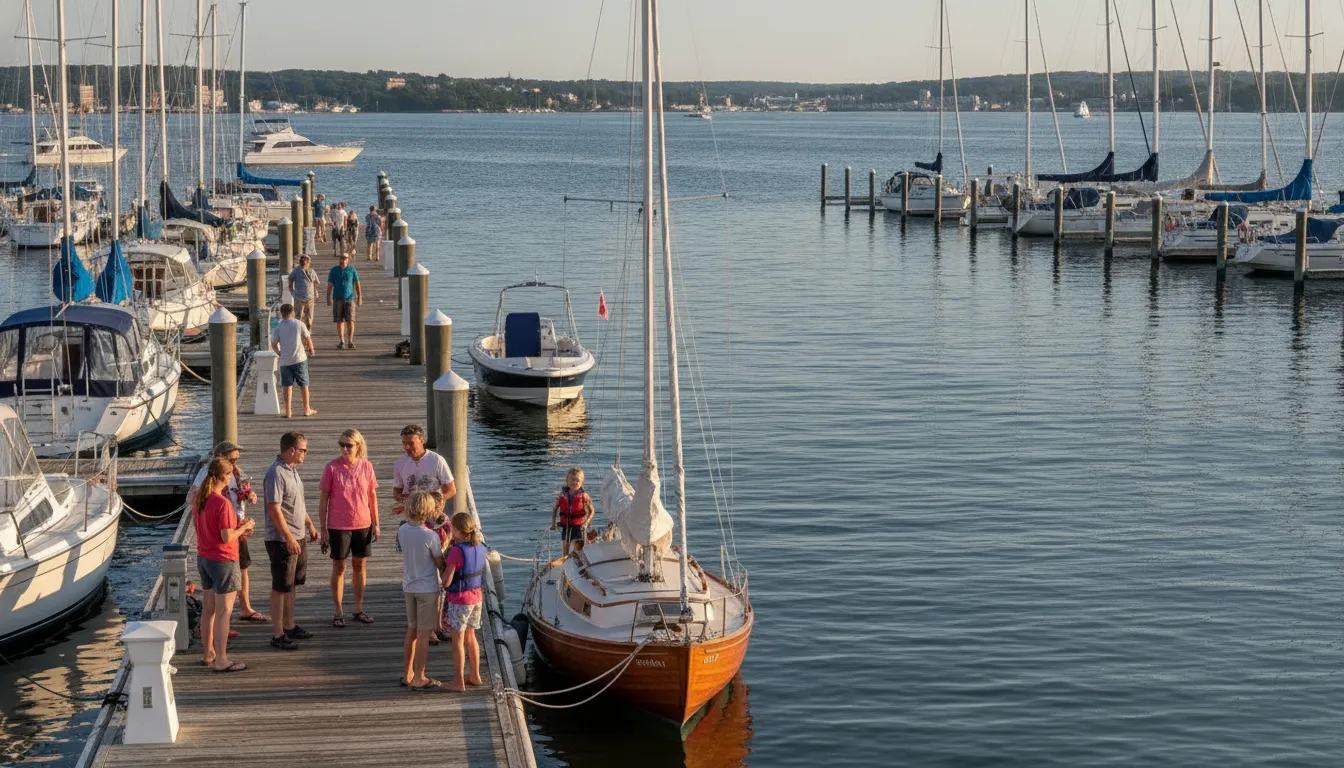
People use the phrase “yacht club” as if it describes one standard experience, but traditional clubs can be quite different. Some center on sailing, racing, and fellowship; others may place more emphasis on dock access, storage, social spaces, or member programming. The right choice depends less on the label and more on how you want to spend time on the water.
Book a Carefree Boat Club tour
In general, yacht clubs are member organizations built around boating, shared facilities, and community, though membership terms and amenities vary widely. A yacht may be sail- or motor-propelled and used for pleasure, cruising, or racing. So the club experience can range from sailing activities to broader marina and social offerings. Carefree Boat Club is a distinct boating-access model that helps members reserve boats without taking on the responsibilities of ownership.
Before comparing memberships, it helps to separate what a yacht club may offer from what a boat-access service is designed to provide. Start by looking at the activities, facilities, and member privileges a particular club actually lists.
What Do Yacht Clubs Usually Offer Members?
A yacht is a sail- or motor-propelled vessel used for pleasure, cruising, or racing. The word itself does not have one universal definition, although it often describes a boat with a cabin intended for overnight use. In other words, a yacht is the vessel. A yacht club is the member organization built around boating, shared activities, and a community of people who enjoy being on the water.
That distinction matters because joining a yacht club does not necessarily mean receiving access to one specific type of boat. Depending on the organization, membership may center on a place to keep or launch a privately owned boat, opportunities to sail with others, instruction, racing, cruises, or social events. Some clubs are strongly oriented toward sailing, while others may welcome a broader mix of boating interests. The exact facilities, activities, access rules, and participation expectations can differ substantially from one club to another.
For example, one public recreation program describes yacht-club participation through sailing for fun, competition, and fellowship. That combination captures the traditional appeal: members may develop practical skills and spend time with other boaters. They may also take part in organized activities rather than boating entirely on their own. Non-owners may be able to participate as crew at some clubs, but that is a club-specific policy, not a universal promise.
If your priority is boating access without taking on the responsibilities of owning a boat, compare the model carefully with Carefree Boat Club membership. Carefree Boat Club is a distinct membership-based boating-access option, not a traditional yacht club. Its focus is helping members use boats without managing ownership responsibilities. A yacht club may be the better fit for someone seeking a community, sailing culture, or support for a personally owned boat. The right choice depends on whether you value club participation, ownership support, flexible access, or a combination of those goals.
How Does Yacht Club Membership Typically Work?
There is no universal application process or membership structure shared by all yacht clubs. In practice, a club may organize access around a member community, sailing activities, facilities, or a particular type of boating participation. Some clubs welcome people who do not own boats as crew members, while others may limit certain programs or facilities to members who meet specific eligibility requirements.
Before applying, ask what membership actually includes. Clarify whether your privileges cover club events, docks, launching areas, storage, instruction, or access to boats, and whether each benefit requires a separate reservation or approval. A public recreation program, for example, describes yacht-club participation as sailing for fun, competition, and fellowship, but that broad description does not establish the rules at every private club. Use the club’s own materials and boat club membership questions as a starting point for identifying what needs to be verified.
What should you ask about eligibility and participation?
Ask whether applications require a sponsor, interview, referral, orientation, or a waiting period. Also check whether household members and guests receive the same privileges as the primary member. Guest limits, event registration, age requirements, and access to junior or instructional programs can vary considerably.
Participation expectations deserve equal attention. Some clubs encourage volunteer involvement, especially around sailing schools, races, or social events. One published club program asks families to sign up for several event and on-duty shifts connected with youth participation. That may be a rewarding part of the community, but it is important to know about it before joining.
Do members need to own a boat?
Not necessarily. A non-owner may be able to join as crew, take part in shared activities, or participate through a sailing program. In other clubs, membership may be closely tied to owning, storing, or operating a boat. Confirm who supplies the boat, who may operate it, what training is required, and whether insurance or maintenance responsibilities remain with the member. The goal is to understand the actual access model, rather than assume that “membership” means ownership or guaranteed use of a vessel.
Which Facilities and Amenities Might a Yacht Club Have?
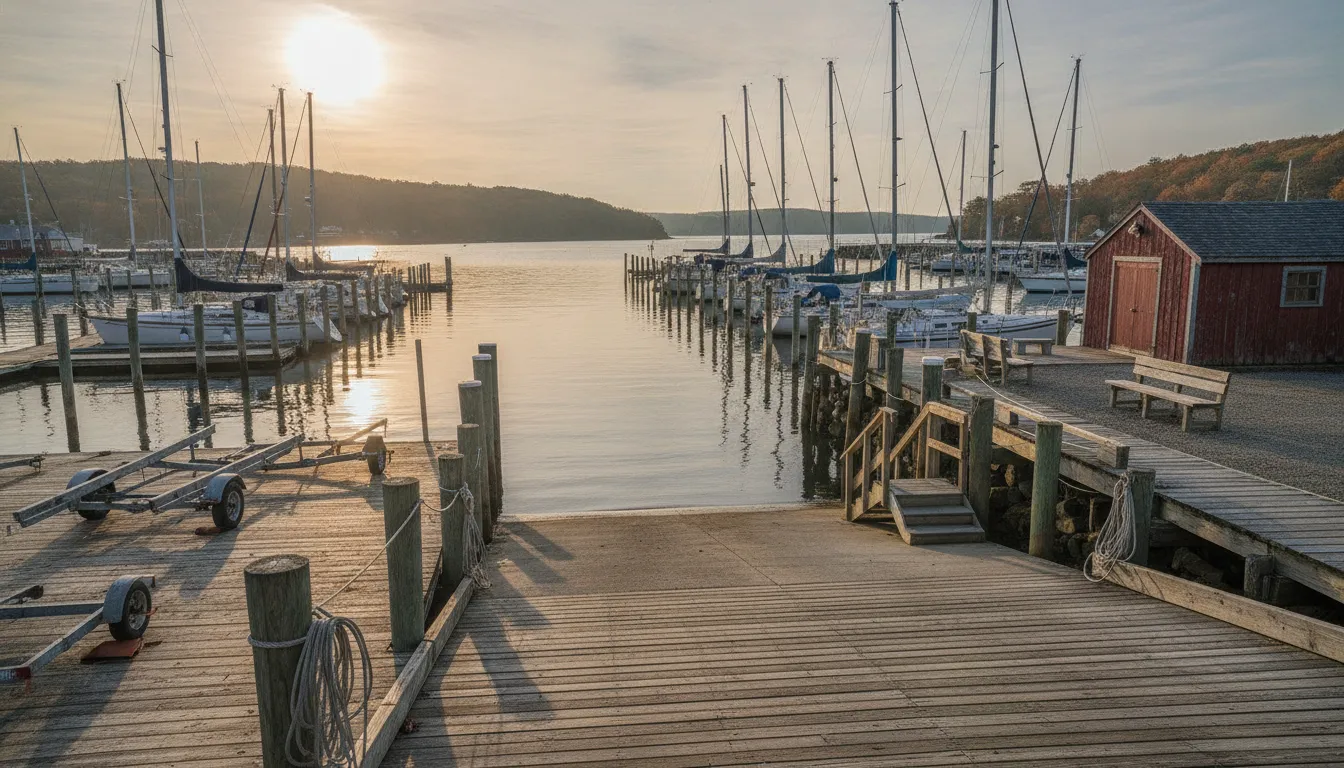
Facilities can shape the boating experience as much as the boat itself, but yacht clubs do not follow one universal checklist. For example, one public yacht-club program describes seasonal storage, launching ramps, and docks, while a California State Parks marina listing identifies a different set of member amenities. Treat these examples as possibilities to investigate, not promises that every club provides them.
Examples of yacht-club facilities and what to verify
| Facility category | What it may support | What should you verify? |
|---|---|---|
| Storage, ramps, and docks | Seasonal boat storage, launching, boarding, and routine access to the water. | Ask whether storage is available, how launching works, and whether dock access is reserved or shared. A public program lists these services as features of its own yacht-club offering. |
| Dock utilities and marina services | Electricity and water can support boat preparation and longer stays. | Confirm which slips have utilities, whether transient berths or tie-ups are available, and whether reservations or additional rules apply. |
| Comfort and changing facilities | Restrooms and showers can make a full day on the water more convenient. | Check access hours, cleanliness standards, guest access, and whether the facilities are located at the club or a related marina. |
| Dining and recreation | A restaurant or swimming area may support social time before or after boating. | Ask whether these amenities are seasonal, member-only, reservation-based, or operated by a separate business. |
| Storage for personal gear | Gear lockers and ice vending may simplify preparation for a day afloat. | Verify locker size, availability, security, operating hours, and whether ice or other supplies are consistently stocked. |
The most useful comparison is not the longest amenity list. It is the one that matches how you boat. A yacht owner may prioritize a slip, storage, utilities, and launch access. Someone focused on occasional outings may care more about reliable vessel access, training, reservation procedures, and support. Review the club’s current rules and tour the facilities before assuming a listed amenity fits your routine.
What Activities Do Yacht Clubs Support?
Activities can range from structured competition to relaxed time on the water, but the schedule depends on the individual club, season, facilities, and member interests. One public yacht-club program describes opportunities to join regular races, sail for pleasure, and take part in regattas and parties. That mix gives members room to pursue skill development, friendly competition, or a casual afternoon afloat.
Racing may include recurring club races or larger regattas. Participation requirements can vary, including the type of boat, crew experience, and whether members must register in advance. If competition is not your priority, many clubs may also organize cruises or informal group outings. Rockland Yacht Club’s membership overview, for example, lists races and cruises alongside educational, charitable, and social activities. These examples illustrate the range of programming possible, not a standard schedule for every yacht club.
Instruction and skill building
Some clubs offer formal sailing lessons, while experienced members may help newer sailors with practical tips and on-water support. Ask whether instruction is designed for beginners, boat owners, crew members, or specific age groups. Carefree Boat Club provides a separate membership-based boating model with its own on-the-water training and support. That service should not be treated as evidence that traditional yacht clubs offer the same training format.
Youth, community, and social programming
Youth programming may include seasonal sailing schools or junior activities. A report on Northport Yacht Club’s youth sailing program describes a summer program where generations of children and others learned to sail. Other clubs may support community service, educational events, member gatherings, or social celebrations. Before joining, review the current calendar and ask how often these activities run, who may participate, and whether volunteer involvement is expected. The right fit depends less on a club’s label than on whether its actual programming matches the kind of boating community you want.
Can You Join a Yacht Club Without Owning a Boat?
Yes, you may be able to participate in a yacht club without owning a boat, but eligibility and access depend on the club. Some clubs welcome non-owners as crew, while others organize activities, lessons, or social events around members who already have boats. A public yacht-club program in Kansas, for example, specifically invites people without boats to join crews. Its program explains that non-owners can participate as crew members.
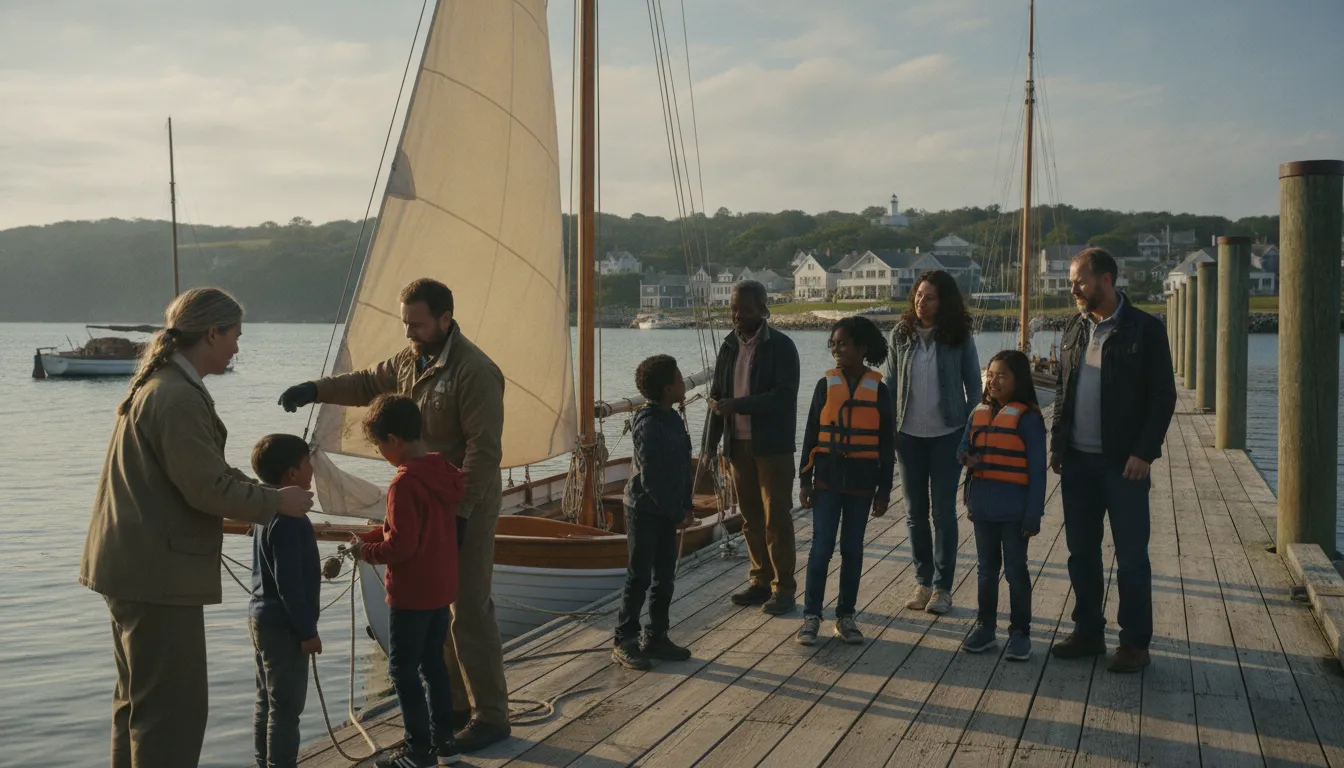
That means joining may be less about having a vessel and more about finding a practical way to take part. You might crew for an experienced sailor, join group outings, attend educational sessions, or participate in social and volunteer activities. The exact options are set by each organization, so ask how non-owner members participate before applying.
What should non-owners ask about?
Start by confirming whether the club accepts members who do not own a boat. Then ask whether crew opportunities are organized by the club or arranged informally between members. Some programs may make sailing lessons or youth activities available only to members, while also expecting members to contribute time during the season. Those policies can affect the value of membership even when boat ownership is not required.
Also clarify which benefits come with membership. A club may offer access to community activities without providing personal boat reservations, and boat-related facilities may be intended primarily for members who keep or operate vessels there. If your priority is simply meeting boaters, learning, or joining occasional outings, a traditional yacht club could be worth exploring. If you want predictable access to supported boating without owning and maintaining a boat, compare that model separately from yacht-club participation.
How Does Carefree Boat Club Access Differ From Yacht Clubs?
Carefree Boat Club and traditional yacht clubs can both help people spend more time on the water, but they solve different boating problems. A yacht club may center on a member community, sailing activities, social events, facilities, or participation around personally owned boats. Carefree Boat Club is a membership service built around convenient access to boats without the responsibilities of boat ownership.
For Massachusetts boaters, Carefree Boat Club serves Boston, Danvers, and Gloucester. Members can use a reservation model based on half-day sessions and revolving reservations, with availability varying by membership tier. This creates a structured way to plan outings while avoiding the need to handle every ownership task yourself. Learn more about Carefree Boat Club membership and how the access model works.
What does each model prioritize?
Traditional yacht clubs may be a strong fit for someone seeking an established boating community, sailing programs, club events, or a place to participate as an owner or crew member. The exact experience depends on the individual club. Carefree Boat Club places greater emphasis on practical access and time on the water. Its service package describes maintenance, cleaning, insurance, storage, and training as part of the membership experience, reducing the routine responsibilities associated with owning a boat.
Boat selection also matters. Readers can review the Massachusetts boat club fleet to understand the types of vessels available through the local club. This is different from joining a yacht club primarily for its community or facilities, or from purchasing and maintaining a boat independently.
How does location and flexibility affect the choice?
Carefree Boat Club also reports reciprocal access at 150+ locations, which may be valuable for members who want boating opportunities beyond one home harbor. Local needs still matter, including where you live, where you want to launch, how often you plan to go out, and whether your preferred membership tier offers the availability you need. Explore Boston boating club access when comparing local options.
In short, yacht clubs and Carefree Boat Club should not be treated as interchangeable. One may be organized around community, programming, and club participation; the other is designed to make boat access more manageable without full ownership responsibilities. The better fit depends on whether your priority is club life, boating access, or a combination of both.
Which Boating Model Fits Your Goals?
The right choice depends less on the label and more on how you expect to spend time on the water. Use this framework to compare a traditional yacht-club experience, ownership support, and Carefree Boat Club access without assuming that every club offers the same facilities or programs.
- Start with frequency. If you expect occasional outings, consider whether you want scheduled access without the ongoing work of maintaining a boat. Carefree uses half-day sessions and revolving reservations, with availability varying by membership tier. If you plan to spend most weekends aboard, owning or joining a club built around regular vessel use may better match your routine.
- Decide what facilities you need. Make a list of your practical priorities, such as docks, launching support, storage, showers, electricity, water, or a clubhouse. These amenities are club-specific, so ask exactly what is available, when it can be used, and whether members must provide their own boat. A yacht club may be the stronger fit when shore-side facilities are central to your boating plans.
- Clarify how you want to access a boat. Ownership gives you direct control, but it also brings ownership responsibilities. Carefree is designed to provide boating access without those responsibilities, while including services described by the club such as maintenance, cleaning, insurance, storage, and training. Review the Carefree Boat Club membership details to understand how that model works.
- Think about community and programming. Yacht clubs may emphasize fellowship, racing, cruises, instruction, youth programs, or social events, depending on the organization. If organized activities and volunteer participation are a priority, ask about the current calendar and member expectations. If your priority is supported time on a boat, compare that experience with Carefree’s on-the-water training.
- Test the geography. Choose an option close enough to use consistently. Carefree serves Boston, Danvers, and Gloucester, Massachusetts, and offers reciprocal access at 150+ locations. Review the Danvers boat club location if the North Shore is convenient for your plans.
Book a Carefree Boat Club tour
Frequently Asked Questions About Yacht Clubs
How do I get into a yacht club?
Start by contacting the club directly and asking about its current membership process, participation requirements, and available activities. Procedures vary: some clubs may focus on community involvement, sailing participation, boat ownership, or a combination of these. Ask what members can access, whether guests or crew may participate, and whether an orientation or application is required before joining.
What is in a yacht club?
A yacht club may include boating facilities, social spaces, and organized activities, but the mix differs by location. Possible features include docks, ramps, seasonal storage, racing or cruising programs, educational opportunities, social events, and member gatherings. Some clubs may also have amenities such as restrooms, showers, dining, or swimming areas. Confirm the actual facilities and seasonal availability before joining.
Can I participate in a yacht club without owning a boat?
Sometimes. One municipal yacht-club program specifically notes that non-owners may participate as crew, but policies differ among clubs. You may be able to join organized activities, learn from experienced boaters, or participate as part of a crew. Ask whether non-owner participation is allowed and which activities are open to members without personal boat access.
How is Carefree Boat Club different from a traditional yacht club?
A traditional yacht club may emphasize member community, facilities, sailing programs, or boat ownership. Carefree Boat Club is a separate boating-access model designed for members who want to use boats without taking on the responsibilities of ownership. Availability, reservations, training, and access terms are defined by the membership program. Review the details and choose the model that fits how you plan to spend time on the water.
Ready to Explore Your Boating Options?
A short conversation can help you compare the community and facilities of a traditional yacht club with the boating access and flexibility of Carefree Boat Club.