
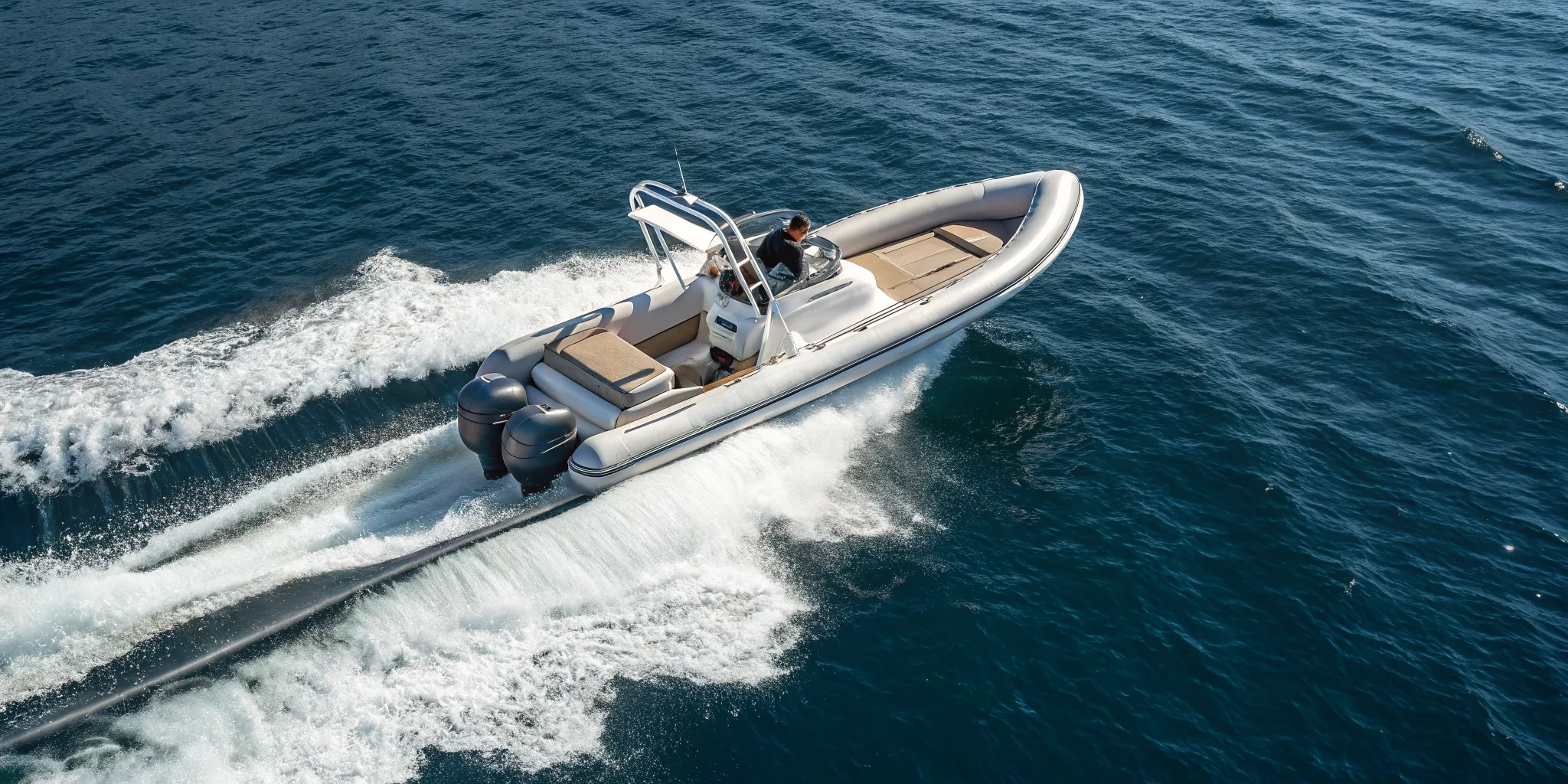
It’s easy to make assumptions about a RIB boat. Seeing the inflatable tubes, you might think it’s just a step up from a simple dinghy, perhaps a bit flimsy or only suitable for perfectly calm days. In reality, nothing could be further from the truth. These boats are famous for their incredible seaworthiness and are often the vessel of choice when the water gets rough. The “rigid” part of their name is key; a solid hull gives them the power and performance of a conventional boat, while the tubes provide unparalleled stability. Let’s clear up the common myths and get to the facts about what a RIB boat can do, what separates a quality one from the rest, and what ownership really entails.
Key Takeaways
- RIBs combine the best of both worlds: They pair a solid, V-shaped hull for performance with inflatable tubes that provide exceptional stability and safety, making them feel secure even in choppy conditions.
- Their versatility is a key advantage: The same features that make RIBs trusted for military and rescue missions, like speed and seaworthiness, also make them ideal for family fun, water sports, and coastal exploration.
- Ownership involves hidden costs and work: While RIBs are fantastic boats, the real cost includes ongoing maintenance, insurance, and storage. A boat club membership offers a practical alternative, giving you access to perfectly maintained RIBs without the personal expense and labor.
So, What Exactly Is a RIB Boat?
You’ve likely seen these boats cutting through the waters around Boston or docked in a harbor. They look like a hybrid: part traditional powerboat, part heavy-duty inflatable. That’s exactly what a RIB, or Rigid Inflatable Boat, is. It combines the best of both worlds to create a vessel that’s remarkably stable, fast, and versatile. The core idea is simple but brilliant. A RIB pairs a solid, V-shaped hull with large, inflatable tubes around the outer edge. This unique construction gives it a low center of gravity and makes it incredibly seaworthy. This is why you see them used for everything from family fun days to serious rescue missions by coast guards around the world. They offer a sense of security and capability that’s hard to match. But what really makes up a RIB, and how does it handle on the water? Let’s get into the specifics of what makes these boats so popular with experienced boaters and newcomers alike. They have a reputation for being practical and fun, which is a combination any boater can appreciate.
Breaking Down the Parts of a RIB
At its heart, a RIB has two main components that work together. First is the rigid hull, which forms the bottom of the boat. This is the “rigid” part of the name. It’s typically made from fiberglass or aluminum and shaped like a V, allowing it to slice through the water for a smooth and stable ride. This solid foundation provides the boat’s strength and performance characteristics, just like a conventional powerboat.
The second part is the inflatable collar, or tube, that wraps around the upper edge of the hull. These aren’t like pool floats; they are heavy-duty tubes filled with high-pressure air, making them firm to the touch. This collar provides immense buoyancy and stability, acts as a giant shock absorber in choppy water, and serves as a built-in fender when docking.
RIBs vs. Standard Inflatables: What’s the Difference?
The biggest difference between a RIB and a standard inflatable boat is the hull. A basic inflatable boat has a soft bottom or a flat, removable floor, which means it can be deflated and rolled up for storage. A RIB, on the other hand, has a permanent, solid hull that can’t be folded away. This solid hull is a game-changer for performance.
Because of this design, RIBs can handle more powerful engines and behave more like traditional boats on the water. They come in a wide range of sizes, from small tenders around 8 feet long to large offshore models over 30 feet. Our diverse fleet includes RIBs perfect for exploring the Massachusetts coast, giving you a chance to experience their unique capabilities firsthand.
How Do RIBs Perform on the Water?
RIBs are known for their impressive performance, and it all comes down to their hybrid design. Because they are relatively lightweight for their size, they are quick to get on plane and can reach high speeds without needing a massive engine. This makes them both thrilling to drive and surprisingly fuel-efficient. A typical 20-foot RIB can easily reach speeds of 30 knots or more.
Where RIBs truly shine is in their handling and stability. The deep-V hull cuts through chop, while the inflatable tubes absorb spray and soften the ride in rough seas. This combination makes them feel incredibly secure and forgiving, even in conditions that would challenge other boats of a similar size. The tubes also provide exceptional stability when the boat is stopped, making it a comfortable platform for swimming or just relaxing.
Why Boaters Love RIBs
RIBs have a special place in the hearts of many boaters, and for good reason. Their unique hybrid design isn’t just for looks; it translates into a ride that’s stable, safe, and surprisingly efficient. Think of it as getting the best of both worlds: the solid, wave-cutting performance of a traditional hull combined with the buoyancy and shock-absorption of an inflatable. This combination makes them incredibly versatile, capable of handling a calm day exploring the coves around Gloucester or managing a bit of chop on the way out of the harbor. It’s a design that inspires confidence from the moment you step aboard.
It’s this blend of features that makes them a popular choice for everything from family fun to serious maritime work. You get a sense of security that’s hard to match, the ability to handle different water conditions with confidence, and a design that’s surprisingly light on fuel. At Carefree Boat Club, we love having RIBs as part of our diverse fleet because they offer such a dependable and enjoyable experience for our members, whether they’re new to boating or have been on the water for years. Let’s get into the specific reasons why so many people are fans of these impressive boats.
Enjoy Incredible Stability and Safety
One of the first things you’ll notice about a RIB is how incredibly stable it feels. This stability comes from its core design: a strong, rigid hull paired with large, inflatable tubes around the perimeter. These tubes act like built-in stabilizers, providing immense buoyancy and making the boat very difficult to capsize. Even if a large wave comes over the side and puts water in the boat, the air-filled tubes keep it floating high. This creates a secure platform, whether you’re cruising at speed, fishing, or just relaxing at anchor. It’s a feeling of safety that lets you and your family relax and enjoy your day on the water.
Confidently Handle Rough Waters
If you’ve ever been on a boat that slaps hard against every wave, you’ll appreciate how a RIB handles choppy seas. The flexible, inflatable tubes are fantastic shock absorbers. When the boat encounters waves, the tubes flex and absorb much of the impact, resulting in a smoother and drier ride than many other boats of a similar size. This quality gives you the confidence to head out even when the water isn’t perfectly flat. The rigid V-shaped hull does its part by cutting cleanly through the water, while the tubes provide a soft landing, giving you a sense of control and comfort in conditions that might keep other boaters at the dock.
Go Farther with Less Fuel
Who doesn’t want to spend more time cruising and less money at the fuel dock? The lightweight nature and smart design of a RIB make it remarkably fuel-efficient. The deep-V hull slices through the water with minimal resistance, while the inflatable tubes provide lift, helping the boat get on plane quickly and easily. This means the engine doesn’t have to work as hard to push the boat forward, which translates directly into better gas mileage. This efficiency is a huge plus, allowing you to extend your adventures and explore more of the coastline without constantly worrying about your fuel gauge.
Feel Secure with Multiple Air Chambers
A common question about any boat with inflatable parts is, “What happens if it gets a puncture?” RIB manufacturers have already thought of that. The inflatable tubes aren’t just one big balloon; they are divided into multiple separate air chambers. Each chamber is sealed off from the others. This means that if one section were to get a hole and deflate, the other chambers would remain fully inflated, keeping the boat completely buoyant and stable. This built-in redundancy is a major safety feature that provides incredible peace of mind, ensuring you can always get back to shore safely.
What Are RIBs Good For?
One of the best things about RIBs is their incredible versatility. You’ll see them everywhere from a quiet cove filled with families to the open ocean on a high-stakes rescue mission. Their unique combination of a solid hull and inflatable sides makes them a top choice for a surprisingly wide range of activities. Whether you’re looking for a fun day on the water or need a vessel that can perform under pressure, there’s a good chance a RIB is the right boat for the job.
Fun Days and Water Sports
If you’re planning a day of fun on the water, a RIB is a fantastic choice. Their lightweight design and stable platform make them perfect for all kinds of water sports, from towing a tube to wakeboarding. Because they sit low in the water and are so buoyant, they feel incredibly safe and steady, even with a full boat of family and friends. This stability also makes them great for simply cruising along the coast and exploring. You can easily find a spot to anchor for a swim. Our own fleet includes RIBs that our members love for exactly these kinds of carefree days out on the water.
Critical Search and Rescue Missions
When conditions get tough and lives are on the line, rescue teams often turn to RIBs. Their speed and stability are invaluable in emergency situations. A RIB can cut through choppy seas to reach a person in distress quickly, and its inflatable tubes provide a stable platform for pulling someone safely from the water. This is why you’ll often see the Coast Guard and other marine rescue units using them. The boat’s tough construction means it can handle rough treatment and challenging environments, making it a reliable vessel when every second counts. Their performance in these critical roles is a true testament to their superior design.
Military and Police Patrols
Beyond rescue operations, RIBs are also a common sight in military and police fleets. Their speed and agility make them ideal for patrolling harbors, enforcing maritime laws, and conducting security operations. You might see them on patrol in busy waterways around Boston, where their ability to maneuver quickly is a huge asset. These professional-grade boats are built for durability and can be outfitted with special equipment for their specific missions. Their ruggedness and reliable performance make them a trusted tool for law enforcement and military personnel who need to operate in a variety of marine conditions without fail.
Exploring the Deep: Diving and Offshore Trips
For the more adventurous boater, RIBs open up a world of exploration. They are a favorite among scuba divers for good reason. The low sides make it easy to roll into the water, and the inflatable tubes are the perfect height for sitting on while you gear up or for climbing back aboard after a dive. Their seaworthy design also makes them great for offshore trips. Whether you’re heading out from Gloucester for some deep-sea fishing or going on a whale watching tour, a RIB can get you there safely and comfortably, even when the coastline is a distant memory.
RIBs vs. Other Boats: A Head-to-Head Look
If you’re trying to figure out which boat is right for you, you’ve probably noticed there are a lot of opinions out there. The truth is, the “best” boat really depends on what you want to do on the water. A RIB isn’t always the perfect choice for everyone, but it excels in some key areas. Seeing how it stacks up against other popular boat types can help you decide if it’s the right fit for your adventures. It’s one of the reasons having access to a diverse fleet of boats is so valuable; you can experience different vessels firsthand. Let’s compare RIBs to some other common options.
RIB vs. Aluminum
Aluminum boats are known for being tough, lightweight workhorses. They’re a popular choice for fishing and utility, but when the water gets choppy, a RIB often provides a more comfortable experience. A RIB’s combination of a rigid hull and inflatable tubes allows it to be both lightweight and incredibly capable in rough seas. While an aluminum boat might pound and slap against the waves, a rigid inflatable boat is designed to absorb the impact, giving you a smoother and drier ride. This design also helps them get on plane quickly and handle turns with confidence, even when conditions are less than ideal.
RIB vs. Fiberglass
Fiberglass boats are the classic choice for recreational boating, known for their sleek lines and beautiful finishes. However, a RIB offers a level of practicality and safety that’s hard to beat. One of the biggest advantages is the rugged construction and stability. The inflatable tubes act as a giant, built-in fender, which makes docking or pulling up alongside another boat a lot less stressful. You don’t have to worry as much about scrapes and dings. This ruggedness is why many people feel RIBs are very safe boats, offering peace of mind, especially for families or when navigating crowded harbors around places like Boston or Gloucester.
RIB vs. Soft Inflatable
You might think a RIB is just a fancier version of a simple inflatable boat, but the difference is night and day. The key is the “R” for “Rigid.” A soft inflatable has a flexible floor and no solid hull, which means it can feel less stable and is much slower. A RIB, on the other hand, pairs inflatable tubes with a solid fiberglass or aluminum hull. This gives you the best of both worlds: the incredible stability and buoyancy of an inflatable, plus the performance of a traditional boat. The rigid hull allows a RIB to cut through waves and handle a more powerful engine, while the inflatable tubes keep it floating high in the water and remarkably stable, even at rest.
Key Features to Look for in a RIB
When you start looking at RIBs, you’ll quickly realize they come in all shapes and sizes. Picking the right one isn’t just about color; it’s about matching the boat’s features to your specific needs. A boat that’s perfect for a solo fishing trip might not work for a family day of water sports. Understanding the key components, from the hull material to the engine size, will help you know what to look for. Think of it like buying a car: you need to consider the engine, the interior space, the safety features, and how it will handle the roads you drive most.
Similarly, a RIB’s performance, safety, and comfort are all determined by a few key design choices. Getting these details right is one of the biggest challenges of boat ownership. At Carefree Boat Club, we handle the hard part by curating a diverse fleet of top-quality boats for our members, but if you’re exploring on your own, these are the features that truly matter. Let’s break down what separates a great RIB from just an average one so you can feel confident in your choice.
Finding the Right Size and Layout for Your Crew
RIBs can range from small, 7-foot tenders to massive 55-foot offshore machines. For most recreational boaters, you’ll be looking at models between 13 and 28 feet. The right size depends entirely on your plans. How many people do you want to bring along? Will you be towing water skiers or just cruising the coastline?
Beyond length, consider the layout. A center console design offers great visibility and a 360-degree fishing area, while other layouts might prioritize seating and sunbathing space. Think about storage for your gear, coolers, and personal items. A well-designed layout makes the boat feel bigger and more functional, ensuring everyone has a comfortable and safe spot on board.
Hull and Tube Materials: Hypalon or PVC?
The inflatable tubes, or collars, are what make a RIB a RIB. They are typically made from one of two materials: PVC or Hypalon. PVC is a more budget-friendly option and is perfectly suitable for many boaters, though its lifespan is generally around 10 to 15 years.
Hypalon, on the other hand, is a heavy-duty synthetic rubber known for its incredible durability and resistance to UV rays, chemicals, and extreme temperatures. While it comes with a higher price tag, a well-maintained Hypalon tube can last for 20 years or more. The choice between them is a classic trade-off between upfront cost and long-term investment, a common consideration for any boat owner.
Choosing the Right Engine Power
The engine is the heart of your RIB, and it needs to be the right size for the job. Power options typically range from a small 5 horsepower motor to powerful 300 horsepower engines. An underpowered boat will feel sluggish and struggle to get on plane, especially with a full load of passengers and gear.
Conversely, overpowering a boat can make it difficult to handle and even dangerous. The manufacturer will always specify a maximum horsepower rating for the hull, and it’s critical to respect that limit. The goal is to find the sweet spot that provides strong, reliable performance for your specific needs without wasting fuel or compromising safety.
Must-Have Safety Features
Safety on the water is non-negotiable, and a quality RIB should be equipped with the right gear. Every boat needs to have essential safety equipment on board to be compliant with U.S. Coast Guard regulations. This includes one wearable personal flotation device (PFD) for every person on the boat, plus at least one throwable flotation device.
You’ll also need visual distress signals like flares, an audible signal such as a whistle or horn, and the correct type and number of fire extinguishers. Having these items isn’t just about following the rules; it’s about being prepared to handle unexpected situations and ensuring everyone gets back to the dock safely.
Smart Deck Design for a Drier Ride
One of the less obvious but incredibly important features of a good RIB is a deck designed to keep you dry. Look for a “self-bailing” deck, which has scuppers or drains that allow water from waves or spray to exit the boat quickly. This is especially important when boating in the choppy waters you can find off the coast of Gloucester.
A smart design prevents water from pooling at your feet, making the ride more comfortable and safer. Other details to look for include non-slip surfaces for secure footing and sturdy, well-placed grab handles for passengers to hold onto when the boat is underway.
How to Spot a Quality RIB
When you’re looking at different boats, it’s easy to see that not all RIBs are created equal. Knowing what to look for can make all the difference between a fantastic day on the water and a frustrating one. Whether you’re just curious or seriously considering getting into boating, understanding the signs of a well-made RIB is a valuable skill. Let’s walk through the key things that separate a top-tier boat from the rest of the pack.
What Separates a Great RIB from a Good One?
At their core, RIBs have a strong reputation for being incredibly safe boats because of their natural stability and rugged construction. A truly great RIB takes this foundation and builds on it. It’s not just about having a boat that floats; it’s about how it feels and performs in various conditions. A high-quality RIB inspires confidence, providing a smooth, stable ride that makes you feel secure, even when the water gets a little choppy. This superior performance comes from thoughtful design, better materials, and meticulous construction. It’s the combination of these details that creates a boat that is not just good, but truly exceptional to handle.
Key Construction Details to Check
When you’re evaluating a RIB, the construction is everything. Pay close attention to the hull materials, which form the boat’s backbone. Most hulls are made from fiberglass, which is strong and reliable, but you might also find aluminum or even advanced composites like Kevlar. The quality of the hull directly impacts how the boat handles and how long it will last. Next, inspect the inflatable tubes and, more importantly, how they are joined to the rigid hull. The seams should be clean, uniform, and robust. A well-executed bond between the tubes and the hull is a clear sign of quality craftsmanship and a boat built to withstand the elements.
Why Brand Reputation Matters
Just like with cars or tools, a brand’s reputation in the boating world is usually earned. A company known for quality often gets there through years of consistent performance, innovation, and a commitment to safety. For instance, Zodiac Nautic is widely considered the inventor of the modern RIB and has built its legacy on producing durable, high-performing boats. Other brands, like Ribcraft, are known for making professional-grade RIBs for demanding clients like the military and first responders. When a manufacturer is trusted for such critical missions, you can feel confident that their consumer boats are built to a very high standard. A strong brand reputation is often a reliable indicator of a well-made vessel.
The Real Cost of Owning a RIB
Thinking about buying a RIB is exciting, but it’s smart to go in with a clear picture of the total financial commitment. The price you see on the listing is really just the starting point. Owning a boat involves a whole host of other expenses that can catch new owners by surprise. Before you take the plunge, let’s walk through what it really costs to own a RIB, from the initial purchase to the ongoing upkeep. This way, you can make a decision that truly fits your budget and lifestyle without any unexpected financial headaches down the road.
The Sticker Price: New vs. Used
One of the first decisions you’ll face is whether to buy a new or used RIB. A brand-new RIB can easily cost $50,000 or more, giving you the latest features and a full warranty. On the other hand, you might find a similar used model for around $30,000. That initial savings can be very tempting, and a well-cared-for used boat can be a fantastic value. The key is to understand that the choice between buying new or used isn’t just about the upfront cost; it’s about balancing a lower price with the potential for more maintenance and fewer modern amenities.
Don’t Forget These Hidden Ownership Costs
This is where the true cost of boat ownership really comes into focus. Beyond the purchase price, you need to budget for a number of recurring expenses. Things like insurance, winter storage fees, fuel, and routine engine service add up quickly. A good rule of thumb is to expect annual maintenance costs to be about 10% of the boat’s value, and potentially more for older models. If you’re buying used, you’ll also want a professional hull survey, which can run from $25 to $35 per foot. These are the unglamorous but necessary expenses that come with keeping your boat safe and ready for the water.
Is There Such a Thing as a “Good Deal”?
So, how do you know if you’re getting a good deal? It’s about more than just a low price. That used RIB that seems like a bargain might come with hidden problems that end up costing you more in the long run. A true “good deal” is a boat that has been well-maintained and is transparently priced for its condition. Whether you’re looking at a new vs. used boat, the best value comes from understanding the full ownership picture. It requires careful inspection, asking the right questions, and being realistic about the ongoing costs you’re signing up for.
Let’s Talk RIB Boat Maintenance
Owning a boat is one thing, but keeping it in top shape is a whole other commitment. RIBs, with their unique hybrid design, have their own set of maintenance needs that go beyond a simple rinse-down. From the inflatable tubes to the rigid hull and engine, there’s a regular checklist of tasks you can’t ignore if you want to keep your boat safe and seaworthy. It’s a labor of love, but it’s definitely labor.
Think about it: every time you head out, you’re putting wear and tear on the vessel. Sun, salt, and water are a tough combination. Before you even think about the sticker price of a RIB, it’s smart to get real about the time and money you’ll spend on upkeep. Let’s break down what it really takes to care for one of these versatile boats.
Keeping the Inflatable Tubes in Shape
The inflatable tubes are the heart of a RIB’s stability and safety, so they need your constant attention. You’ll want to regularly inspect them for any signs of wear, small punctures, or abrasions. The sun is their biggest enemy; heavy exposure can cause the material to degrade over time. While a well-cared-for set of tubes can last a while, they will eventually need to be replaced, which is a significant maintenance project. Think of it less like a permanent part of the boat and more like a component that requires ongoing care and eventual replacement to keep the vessel performing as it should.
Essential Hull and Engine Care
Beneath the tubes, the rigid hull is the boat’s backbone. These hulls are made from materials like fiberglass or aluminum, which require their own specific care routines. You’ll need to clean the hull regularly to prevent marine growth and check for any dings or cracks that could worsen over time. Then there’s the engine, the powerhouse of your adventures. Regular engine maintenance is non-negotiable for reliability and safety on the water. This means oil changes, filter replacements, and system checks, all of which require time, technical know-how, and a budget for parts and service.
The Off-Season: Storage and Winterization
In Massachusetts, you can’t just leave your boat in the water year-round. Proper off-season storage and winterization are critical to protect your investment from harsh winter weather. This process is more involved than just throwing a cover over it. The boat needs to be thoroughly cleaned and dried to prevent mold and mildew. The engine and other systems must be winterized to prevent damage from freezing temperatures. Then you have to figure out storage. Many RIBs can be trailered, but you still need a place to put them, which can mean paying for a storage facility or sacrificing your garage space for months.
How Long Does a RIB Really Last?
The lifespan of a RIB is directly tied to how well you maintain it. If you’re diligent with cleaning, inspections, and repairs, a quality RIB can serve you well for many years. The key is consistency. Neglecting small issues can lead to bigger, more expensive problems down the road. As we mentioned, the inflatable tubes can be replaced when they wear out, which can give the boat a second life. But this just highlights that ownership is a continuous cycle of maintenance. It’s a rewarding experience for some, but for others, enjoying a perfectly maintained fleet of boats without the work is the smarter way to go.
Debunking Common RIB Boat Myths
Rigid Inflatable Boats have a unique look that often leads to a few misconceptions. If you’ve heard rumors about RIBs, let’s clear the air. Because of their hybrid design, people sometimes make assumptions about their performance, durability, and purpose. It’s easy to see a boat with inflatable sides and think it might be delicate or only suitable for calm, protected waters. Others see their rugged, no-frills appearance and assume they are strictly for commercial or military use, lacking the comfort for a family day out.
Understanding the truth behind these boats is key to appreciating just how versatile and enjoyable they are for a day on the water. The reality is that their design is a masterclass in naval architecture, blending the best of both worlds to create a vessel that is exceptionally safe, stable, and efficient. From their performance in choppy seas to their maintenance needs, let’s separate fact from fiction so you can see why we’re so proud to have them in our fleet.
Myth: “RIBs can’t handle rough water.”
This is one of the biggest misconceptions out there. In reality, RIBs are famous for their exceptional performance in rough seas. The design is a brilliant combination of a deep-V rigid hull that cuts through waves and inflatable tubes that act as shock absorbers. This pairing provides a softer, more stable ride than many traditional boats of the same size. The tubes absorb the impact from waves, reducing spray and preventing the boat from feeling “tippy.” It’s this stability and seaworthiness that makes them a trusted choice for rescue teams and a favorite in our own Carefree Boat Club fleet.
Myth: “The inflatable tubes are indestructible.”
While the materials used for RIB tubes, like Hypalon, are incredibly tough and resistant to abrasions and UV rays, they aren’t invincible. A sharp object at the wrong angle can cause a puncture, and prolonged, intense sun exposure will eventually degrade the material over many years. The good news is that modern RIBs have multiple air chambers, so a puncture in one section won’t sink the boat. Still, tube maintenance is a real part of ownership. It’s one of the many tasks we handle for you, so you never have to worry about patching tubes or scheduling repairs.
Myth: “RIBs are just for military and rescue.”
It’s true that RIBs earned their tough reputation from their widespread use by the military and search-and-rescue teams, but their versatility extends far beyond that. Today, RIBs are one of the most popular types of recreational boats in the world. Their stability, speed, and fuel efficiency make them perfect for everything from family fun and water sports to fishing and exploring the coastline around Gloucester. Think of it this way: you get to enjoy a boat that’s built with the DNA of a rescue craft but designed for pure leisure and adventure.
Myth: “RIBs are low-maintenance.”
Compared to a wooden boat, maybe. But no boat is truly “low-maintenance.” While you don’t have to wax a giant fiberglass hull, RIBs have their own specific upkeep needs. The inflatable tubes need to be kept clean and protected from the elements to maximize their lifespan. The hull requires cleaning, and the engine needs regular servicing just like any other boat. These tasks add up in both time and money. This is where a boat club membership truly shines, as it gives you all the fun of using a perfectly maintained RIB without any of the work.
Should You Buy a RIB Boat?
You’ve learned what makes a RIB tick, from its hybrid construction to its impressive performance. Now we get to the most important question: is buying a RIB the right move for you? It’s a big decision, and the answer depends on what you’re really looking for in your time on the water. Let’s break down the final considerations to help you decide.
Weighing the True Cost of Ownership
When you’re thinking about buying a RIB, it’s easy to focus on the sticker price, but the true cost of ownership goes much deeper. While RIBs have great sea-keeping abilities and are easy to tow, they come with their own set of responsibilities. For instance, those inflatable tubes will need regular maintenance and, after about 10 to 20 years of sun and use, an eventual replacement.
Beyond maintenance, you have to factor in storage, insurance, cleaning, and winterization. These costs and chores add up quickly. It’s why many boaters have mixed feelings about using a RIB as their primary family boat. When you add it all up, you might start looking for a more straightforward way to enjoy the water, which is where a boat club membership comes in.
A Simpler, Smarter Way to Get on the Water
There’s no doubt that RIBs are fantastic boats. They are lightweight, incredibly stable, and buoyant, which is why they’re trusted as everything from rescue craft to fun family day boats. Many even come with built-in safety features like non-slip floors and sturdy handles, giving you extra peace of mind. But is owning one really the simplest way to enjoy boating?
Imagine getting all the fun of a RIB without any of the work. A boat club offers a truly simple and smart alternative. You can reserve a boat, show up, and have a great day on the water. We handle all the cleaning, maintenance, and storage. Plus, you aren’t limited to just one boat. You can try a RIB one weekend and a luxury cruiser the next from our diverse and professionally maintained fleet.
Frequently Asked Questions
Are RIBs really as safe as traditional fiberglass boats? In many situations, they are even safer. A RIB’s design, with its low center of gravity and large inflatable tubes, provides incredible stability that makes it very difficult to capsize. The tubes also mean the boat has immense built-in buoyancy. Even if the boat takes on a lot of water, it will stay afloat. This is why rescue organizations that operate in the toughest conditions rely on them so heavily.
What does it actually feel like to ride in a RIB compared to a regular powerboat? The ride in a RIB is noticeably different, and most people find it smoother. The inflatable tubes act like giant shock absorbers, softening the impact as the boat moves through choppy water. This means you feel less of the jarring or slapping that can happen in some other boats. The tubes also help deflect spray, often resulting in a drier ride for everyone on board.
How long do the inflatable tubes last, and what happens if they get a hole? The lifespan of the tubes depends on the material and how well they are maintained, but you can generally expect 10 to 20 years of service. The key safety feature to remember is that the tubes are not just one big balloon. They are divided into multiple, separate air chambers. If one chamber gets a puncture, the others will stay fully inflated, keeping the boat stable and buoyant so you can get back to the dock without issue.
Are RIBs comfortable enough for a full day on the water with family? Absolutely. While they have a rugged reputation, modern recreational RIBs are designed with comfort in mind. You’ll find models with cushioned seating, sun pads, and plenty of storage for a day’s worth of gear. Their exceptional stability when stopped also makes them a great platform for swimming and relaxing, as they don’t rock as much as other boats might when people are moving around.
I’m interested in RIBs but not ready to buy. What’s the best way to try one out? The best way to experience a RIB without the commitment of ownership is through a boat club. It gives you the perfect opportunity to see if you enjoy the unique ride and handling for yourself. As a member, you can take out a RIB one weekend and a completely different style of boat the next. This allows you to discover what you truly like on the water without the financial burden and maintenance responsibilities of buying.
https://shorturl.fm/QT2x1