
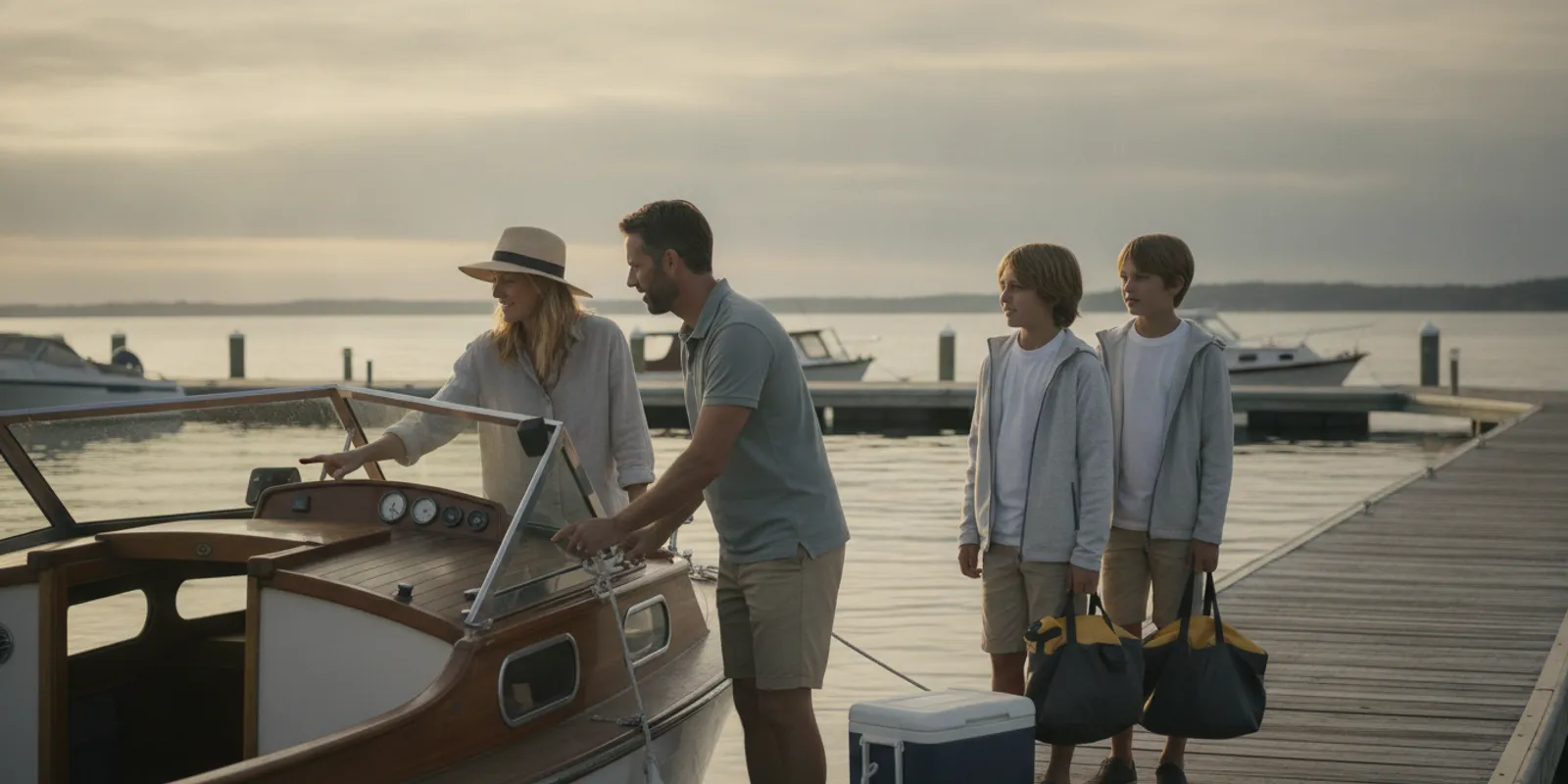
Planning salem ma boating with your family starts with a few practical choices: where you will board, how much time you have, what conditions to expect, and what will help everyone feel comfortable. Salem is a coastal city, but the right plan depends on your group, experience, and schedule—not simply the nearest shoreline. A little preparation helps you compare North Shore home ports and ask useful questions before choosing an outing.
Schedule a tour and discuss your boating plans
What should families decide before planning a boating day?
Start with the shape of the day. A short scenic outing, a relaxed afternoon, and a longer coastal trip involve different time commitments and preparation. Let the youngest or least experienced person help set the pace. On a first outing, a simple plan leaves time to board, hear instructions, and become familiar with the boat’s motion.
Before checking dates, discuss these points together:
- Pace: Decide whether a shorter outing or a longer stretch on the water sounds comfortable.
- People: Consider children’s ages, mobility, comfort, and how easily everyone can board and move about.
- Purpose: Choose one main goal, such as unhurried family time, rather than trying to fit in several activities.
- Flexibility: Leave room to adjust or postpone if conditions or comfort call for a change.
Ask each person what would make the day enjoyable. One family member may prefer a quiet ride; another may want to help with simple tasks if the operator permits it. Agreeing in advance avoids settling expectations at the dock. Families new to boating can read this beginner’s guide to boating in Massachusetts and note questions they want answered before departure.
How can you choose a convenient place to board?
Do not assume that boarding in Salem itself is the only option. The Massachusetts club operates from Boston, Danvers, and Gloucester. Depending on where you live and the kind of day you want, compare the Danvers home port and the Gloucester home port. The useful choice is the one that fits your drive, arrival logistics, plans, and group—not just the closest point on a map.
Turn “convenient” into a checklist. Estimate the drive at the time you expect to travel, confirm where to arrive, ask how early to be there, and find out about parking. If you are bringing children or someone who needs extra time, add that to the schedule. Confirm the home port and instructions for your specific reservation rather than relying on an old message or general map result.
Ask how the outing’s expected length and route relate to the port you are considering. A slightly longer drive can make sense if it simplifies the day or better matches the area you hope to visit. The club’s frequently asked questions can help with general membership queries; contact the team for details about your own plans.
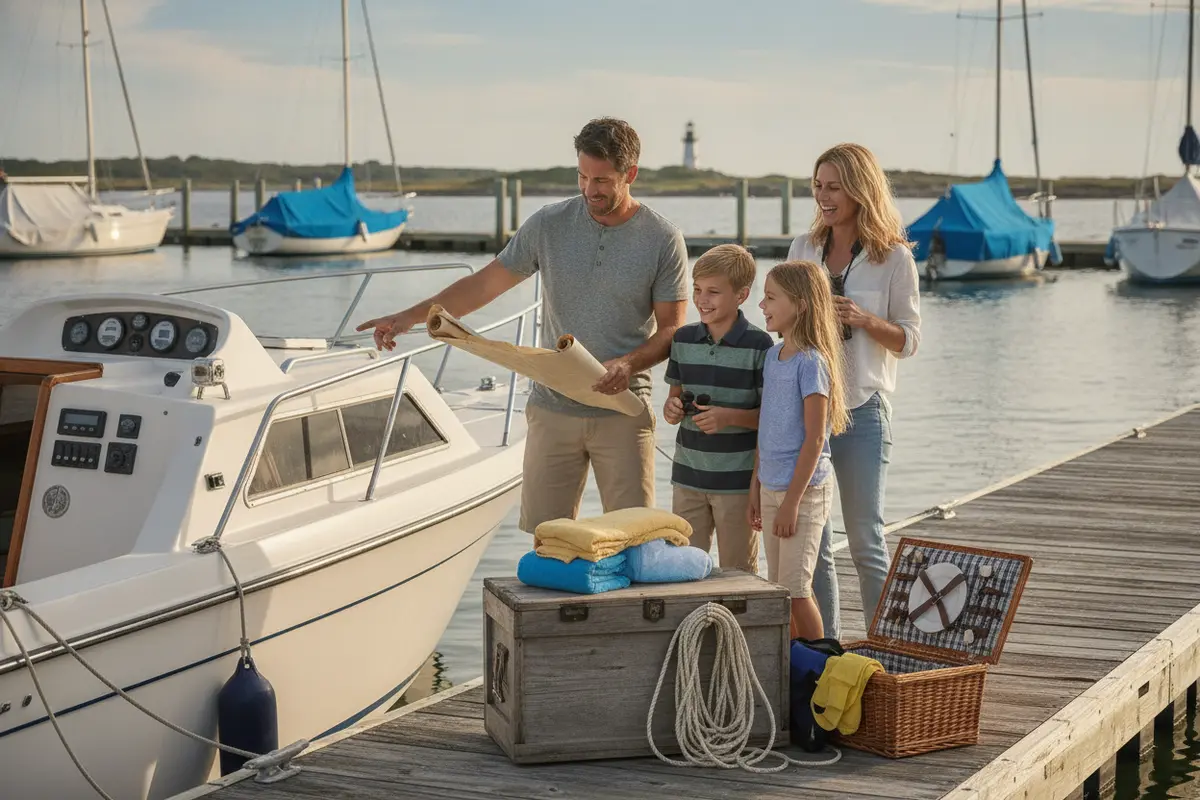
What should you check about weather and water conditions?
Conditions deserve as much attention as the calendar. Check a reliable marine forecast close to departure instead of relying only on a general town forecast. Wind, visibility, and changing weather can affect comfort and the route that makes sense. What looks calm from shore may feel different aboard, so keep the plan flexible.
Agree on a decision process before the day. The person responsible for operating the boat should be able to change, shorten, or cancel the outing when conditions are unsuitable. If the forecast is uncertain, your group is inexperienced, or anyone feels uneasy, take a conservative approach and ask the relevant boating professional for guidance. A reservation cannot guarantee favorable weather.
Use a simple routine: review the forecast the evening before, check it again before leaving home, and follow the operator’s instructions at the dock. If circumstances change while you are out, listen to the operator and keep the group together. Protecting the group matters more than preserving a fixed itinerary.
| Planning factor | What to confirm | Why it matters |
|---|---|---|
| Weather | Marine forecast, wind, visibility, and expected changes | Helps you decide whether to proceed, adjust, or postpone |
| Home port | Arrival instructions, travel time, parking, and boarding details | Reduces last-minute confusion |
| People aboard | Experience, comfort, mobility, and children’s needs | Helps set a manageable pace and outing length |
| Supplies | Water, sun protection, layers, and personal medication | Supports comfort if weather or schedule changes |
| Safety briefing | Equipment, procedures, and who to ask for help | Helps everyone understand expectations before departure |
What should you bring for a family outing?
Pack for comfort and changing weather without bringing more than you can manage aboard. Useful basics include drinking water, sunscreen, hats, sunglasses, a light layer, and any needed personal medication. Snacks may help, especially with children, but ask about rules or arrangements before bringing food. A small dry bag can protect items you want to keep dry. Secure belongings and follow instructions about where to store them.
Ask in advance what safety equipment is provided and what you should bring. Children need properly fitting life jackets suited to them, and the operator should explain safety procedures before departure. A jacket that fit last season may no longer fit well. Check the fit and ask the operator if you are uncertain. The club’s on-the-water training information describes its training option for members.
Keep the packing list manageable. Gather essentials together, label children’s belongings if useful, and leave valuables you do not need at home. Ask which items are already aboard so you do not duplicate equipment or make assumptions about what will be available on a particular boat.
How can you make the outing comfortable for everyone?
Build in time to arrive, hear instructions, and settle aboard before departure. Tell the person helping you plan about mobility or comfort concerns, and ask about the boat layout. Boats vary in seating, shade, and how people move around the deck. Do not assume every vessel will suit every group. Review the Massachusetts fleet page for general boat types, then ask which available options fit your outing.
Give children a few clear expectations before boarding: listen to the operator, stay where instructed, and ask for help rather than moving around unexpectedly. Adults should model the same habits and pay attention to the safety briefing. If someone is nervous, explain the plan simply and make time for questions rather than rushing through departure.
Comfort also means avoiding an overloaded itinerary. Bring layers even on a warm day, allow for breaks as appropriate, and do not make several stops essential to enjoying the outing. If someone is prone to motion discomfort, seek qualified advice before the trip and choose a plan that leaves room to respond to how they feel. Confirm any boat feature you are counting on for the specific vessel assigned.
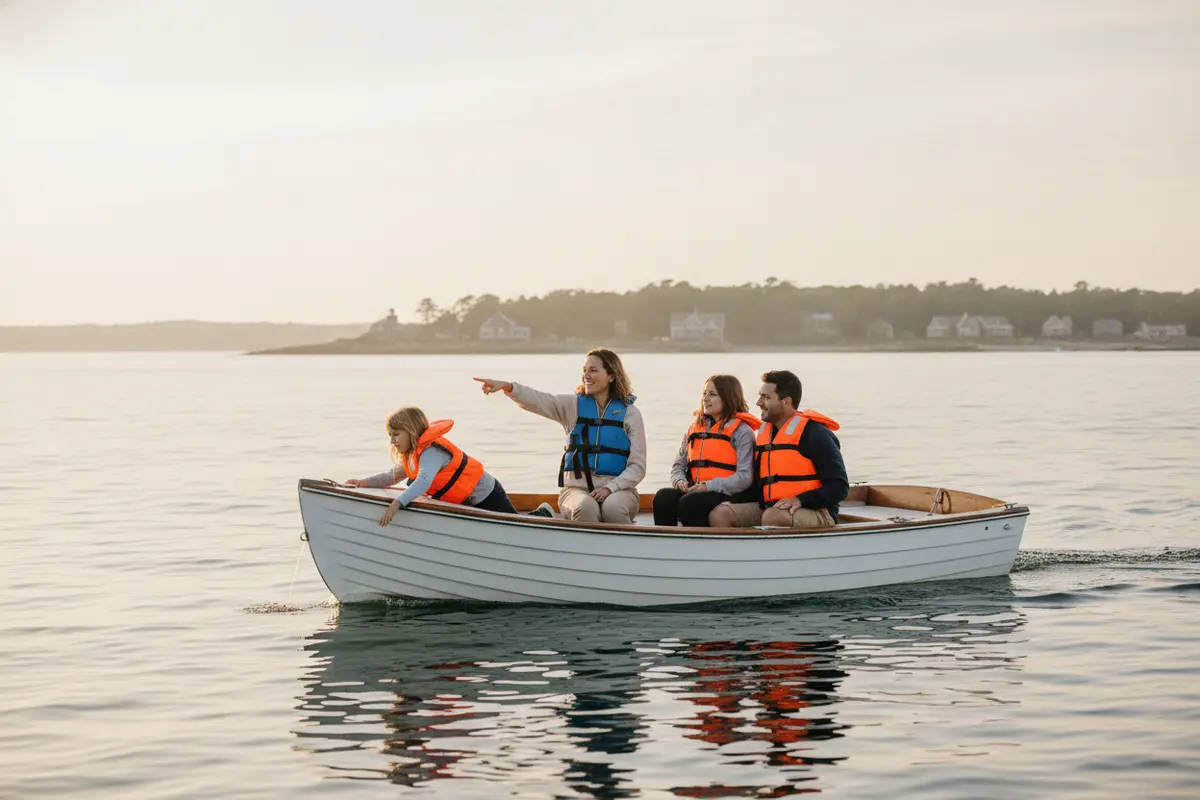
How should you organize the day from departure to return?
A useful plan covers more than the time spent on the water. Work backward from the scheduled departure. Allow for driving, parking, finding the meeting point, and receiving instructions. If relatives are traveling separately, set a clear rendezvous time and share location details with everyone in advance.
Before leaving home, make sure the group knows who is coming, what to wear, and what to bring. Keep the itinerary modest: one main goal and a flexible plan are easier to manage than a schedule full of fixed stops. Ask what time you must return and whether there are specific procedures for coming back to the dock. A buffer near the end helps avoid pressure to rush.
Afterward, compare notes while the details are fresh. Did the group want more shade, a shorter outing, or a different departure time? These observations are useful when planning another day and help you make a better choice next time.
Could a boat club membership fit your family’s plans?
If your family hopes to go boating repeatedly, compare the responsibilities of ownership with a membership model. Ownership means managing a privately owned boat and its related responsibilities. A club membership offers access without requiring your household to manage its own boat. The right fit depends on how often you expect to go, which home port works, and how the reservation process fits your schedule.
Carefree Boat Club is family-owned and operated in Massachusetts. Members can speak with a real person, Karen or Eric, rather than relying only on a corporate number. Membership also includes reciprocal access to participating club locations nationwide. Read about membership and its general structure, then ask directly about current terms, reservations, and which location may fit. Confirm details before deciding; do not assume that a specific boat or date is guaranteed.
Think about likely use over a season, not only the first sunny day that comes to mind. Consider whether your household can reach a home port conveniently, how far ahead you usually plan, and whether a membership’s access model suits your leisure time. If your schedule is unpredictable, ask how reservations and availability work before making a decision.
For a practical comparison, write down the trips you realistically expect to take, who would join, and the travel time to your preferred port. Then ask how the membership’s reservation terms and training fit those plans. This is more useful than choosing based on a single imagined perfect day. You can also review the boating basics resource to identify questions about learning and preparation.
How can you compare a short first outing with a longer day?
Making the choice concrete can help a family avoid overplanning. Imagine two possible days. In the first, you drive to the port with enough time to park, hear instructions, and take a shorter trip suited to the group’s energy. In the second, you commit to a longer period afloat and add several hoped-for activities. The shorter plan is often easier to adapt if children tire, weather shifts, or a new boater needs time to settle in. The longer plan may suit an experienced group that has already discussed comfort and timing. Neither is automatically right; match the commitment to the people actually coming.
Use a small decision grid before reserving. Give each option a simple rating—easy, workable, or uncertain—for travel logistics, comfort aboard, forecast flexibility, and group interest. If the longer outing is uncertain on several points, simplify it rather than trying to solve every concern on the day. If the group is comfortable with the route and schedule, confirm the details with the operator. This turns a vague family debate into a few specific questions.
What should you ask before confirming plans?
Prepare questions that resolve practical unknowns, rather than assuming every club or boat works the same way. Ask which home port applies to your reservation, where to meet, how early to arrive, and how long the planned outing lasts. Clarify how to get current weather guidance and who makes the final operating decision. If you have children, ask what life jackets are available and whether you should bring anything for fit or comfort.
Then ask about the boat and day itself. What seating and shade should your group expect on the specific vessel? Are there restrictions on food or personal items? What is the return procedure, and whom should you contact if travel delays affect arrival? If someone has mobility needs, describe the situation plainly and ask what boarding and movement aboard involve. A useful answer should relate to the specific reservation, not a general assumption about every boat.
Write the answers in one shared message or note. That prevents one adult from carrying all the information and helps relatives who are traveling separately. If an answer changes—such as the meeting location or arrival time—update the group rather than relying on someone to pass it along informally.
How can families plan for common changes on the day?
A flexible plan is not an incomplete plan. Decide ahead of time what you will do if the forecast worsens, someone feels uncomfortable, or your drive takes longer than expected. For example, agree that the operator’s safety decision takes priority over a planned activity. If a child becomes tired, simplify the schedule and follow the operator’s instructions. If traffic threatens your arrival time, use the contact procedure you confirmed rather than rushing or assuming the boat can wait.
Consider a few “if-then” decisions: if wind or visibility raises a concern, ask whether postponing is appropriate; if a family member needs more time to board, allow it before departure; if the group’s energy is lower than expected, choose the simplest version of the outing. These are not substitutes for professional guidance or operating rules. They simply help everyone respond calmly instead of making rushed decisions at the dock.
Keep the plan honest about what you can control. You can prepare clothing, arrival timing, and expectations. You cannot control the weather or guarantee a particular route, boat, or experience. When a plan has room for those limits, a change of plan is easier to accept and the family can focus on making a safe, comfortable decision.
What questions do families ask about Salem-area boating?
Is Salem itself the only place to consider boarding?
No. Depending on where your family is coming from and what you hope to do, compare nearby North Shore home ports. Confirm the actual location, arrival instructions, and outing details before you plan the day.
What if some family members are new to boating?
Choose a manageable outing, ask what orientation or training is available, and make sure everyone understands the safety instructions. A simpler first day gives the group time to get comfortable with the routine.
Can we count on a particular boat being available?
Availability depends on the applicable reservation process and schedule. Ask how reservations work and what options may fit your dates; do not assume that a particular boat is guaranteed.
What is a useful first step if we are considering membership?
Review the Massachusetts club overview and contact the team with your preferred home port, timing, and questions. A conversation can help you understand whether membership fits your family’s plans.
A good Salem-area boating day begins with a realistic plan, attention to changing conditions, and clear expectations for everyone aboard. Compare home ports, confirm the details, and choose an outing that makes getting on the water practical for your family.
Talk with Karen or Eric about a tour
With a flexible schedule and a few questions answered in advance, your family can approach a Salem-area boating day with greater confidence and enjoy time together on the water.
Massachusetts Office of Law Enforcement publishes information relevant to boating safety and applicable rules for Massachusetts waters; consult current guidance before departure.