
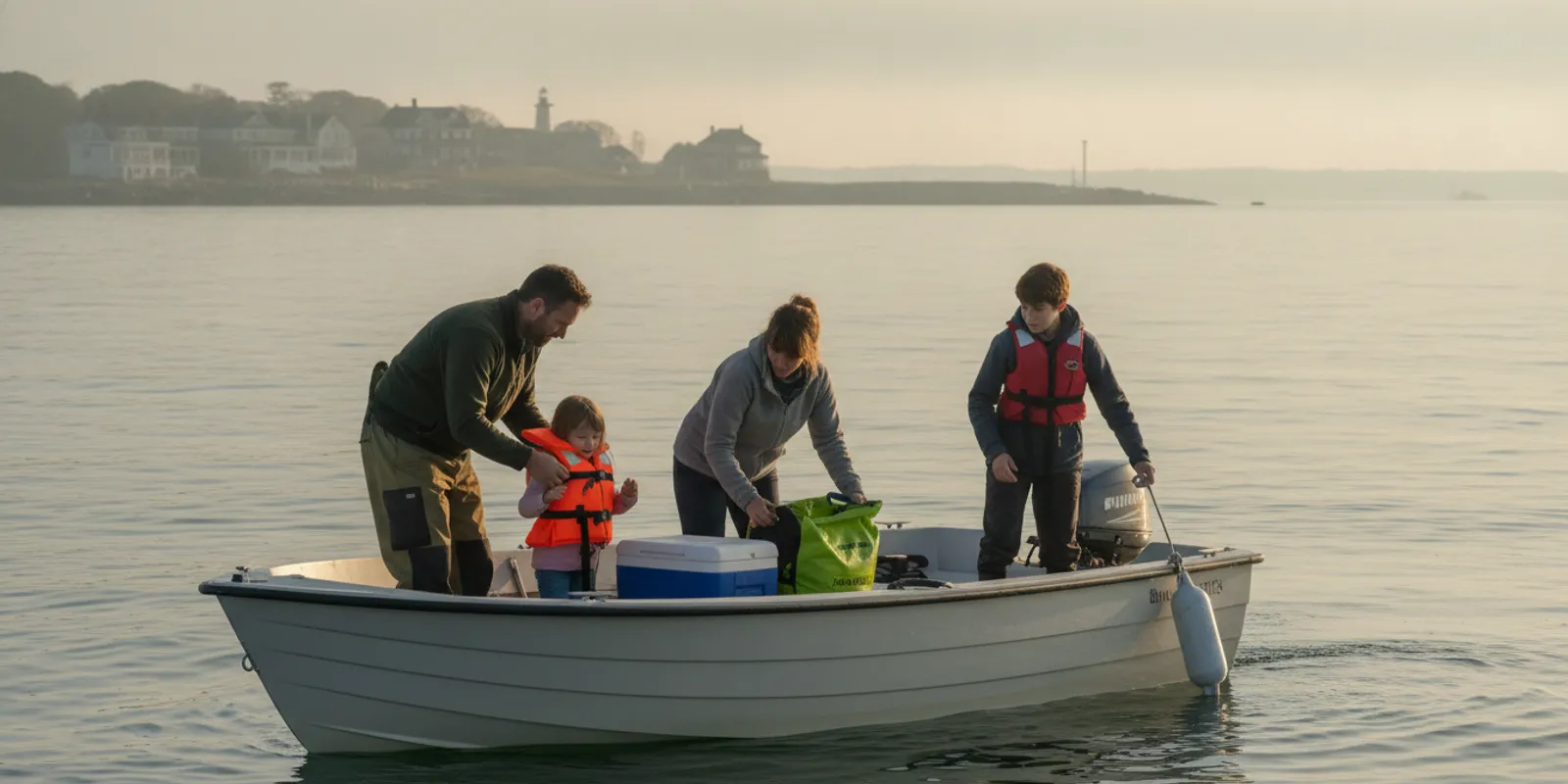
Planning a day of Newburyport boating starts with more than picking a destination. Families should consider who is aboard, how river and coastal conditions may differ, what the boat can comfortably support, and how to adjust if the day changes. Newburyport sits near the Merrimack River mouth, so a good plan allows time for conservative choices rather than treating river and open coast as one simple route.
Schedule a conversation about a tour
What should families decide before boating near Newburyport?
Start with the crew, not the map. A trip that seems short to an experienced adult may feel long to a child or first-time passenger. Ask everyone what they hope to do, how long they are comfortable being aboard, and whether motion, sun, or wind tends to affect them. A scenic outing close to shore may suit a mixed-experience group better than a long run with a fixed destination.
Agree on a few limits before choosing a route:
- Set a realistic departure and return window, with time for delays.
- Choose an outing length that matches the least experienced passenger’s comfort.
- Identify who is responsible for operating and navigating the boat.
- Decide what conditions would make you shorten or cancel the outing.
- Pick a simple alternative, such as staying in more protected water.
These decisions make it easier to avoid negotiating under pressure once everyone is aboard. If the group cannot agree on a long itinerary, start with a shorter one and leave the possibility of another trip for another day. For households comparing club access with ownership, the membership overview explains the basic model; fit depends on expected use, suitable boat types, and the value of support and variety.
How do river and coastal conditions change the plan?
Newburyport’s setting can make a river-to-coast trip appealing, but conditions can differ as you move toward the river mouth. Wind, current, visibility, tide, and boat handling all matter. A calm view from shore is not a reliable promise about conditions farther along the route. Check current marine forecasts and local advisories before departure, then reassess close to leaving.
Match the route to the operator’s experience and the boat’s intended use. If either is unfamiliar, keep the plan conservative. Do not continue toward more exposed water just because it was the original destination. Shortening the outing, remaining in protected water, or postponing departure can be the sound choice when conditions do not fit the crew.
Before leaving, share the intended route and return time with someone ashore. Carry a charged phone protected from water, but do not treat it as the only navigation or communication plan. Review onboard safety equipment, confirm passengers know where it is, and keep the operator focused on boat handling.
How can you plan a route without overcommitting?
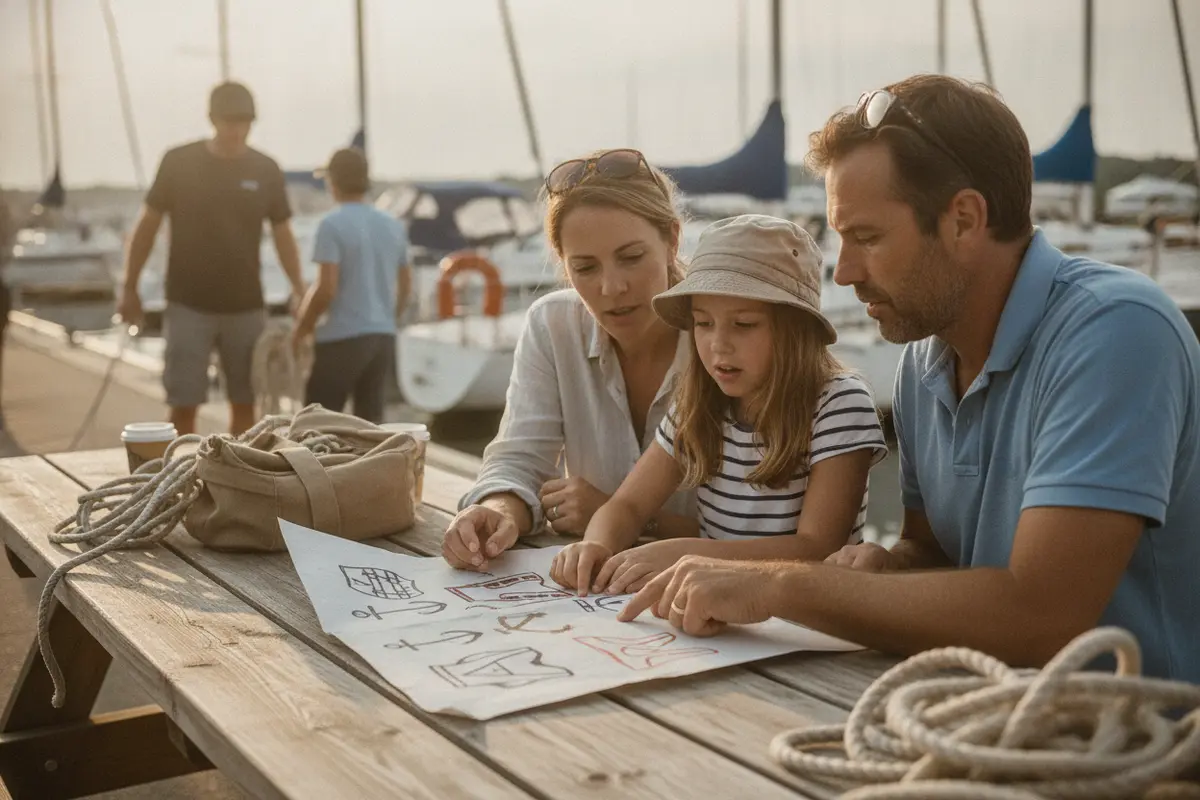
Think in stages instead of choosing the farthest point first. Identify a modest starting route, a point where the operator can reassess, and a clear return plan. Leave enough time for a slower trip back; do not make the schedule depend on running at a particular speed or reaching a particular place.
A practical family plan can use three checkpoints:
- Before departure: Confirm the forecast, advisories, daylight, crew comfort, and the boat’s operating guidance.
- At the decision point: Check whether wind, visibility, passenger energy, and handling still support the next leg.
- On the return: Turn back early enough to avoid rushing, and update the person ashore if your return time changes.
For example, if a family planned to continue toward exposed water but the wind has built and a child is already uncomfortable, use the decision point to revise the day. A shorter route can still be a successful outing. The purpose of planning is not to force the itinerary; it is to give the operator a clear basis for choosing safely as circumstances evolve.
Do not infer that a particular club boat or membership automatically provides access to every launch point or harbor. Confirm the boat, home-port location, intended route, and relevant operating limits before making destination-specific plans.
What should you bring for a comfortable family day?
Conditions on the water may feel cooler and windier than at the dock. Dress in layers and secure loose items so they do not slide or blow overboard. A little preparation helps prevent minor discomfort from becoming the main event, particularly with children or passengers who have not spent much time aboard.
- Clothing: Bring an extra light layer and footwear suited to a boat.
- Water and food: Pack enough for the planned time aboard, plus a modest reserve.
- Sun protection: Bring hats, sunglasses, and sunscreen, even if clouds are present.
- Motion comfort: If a passenger is concerned, ask a health professional about suitable options beforehand and follow product directions.
- Organization: Keep essentials in a secure bag and bring a waste bag for wrappers.
Consider bathroom access before committing to a long trip. Facilities vary by boat, so ask about the specific vessel rather than assuming every boat has the same arrangement. Carefree Boat Club says its boats have onboard heads with toilets; a few have sinks, and none have showers or elaborate full bathrooms. This detail helps families set expectations, but it does not mean every boat has a cabin.
How can families compare ways to get on the water?
Ownership, a one-time rental, and membership can each fit different habits. Compare recurring responsibilities and practical access questions with how your household expects to boat. Avoid making the decision from a single idealized summer weekend; consider the effort involved across an entire season.
| Option | What to weigh | Questions to ask |
|---|---|---|
| Owning a boat | Care, storage, insurance, preparation, and maintenance are ongoing considerations. | How often will we use it, and who will handle tasks between outings? |
| One-time rental | Availability, permitted routes, instruction, and duration vary by provider and boat. | What is included, what experience is expected, and what if weather changes? |
| Boat club membership | Access to a range of boats and support is subject to the club’s terms and reservation process. | Which locations and boats are available, how does booking work, and what training is provided? |
Make the comparison concrete by writing down likely outings: a short family cruise, an occasional fishing day, or several days on the water through the season. Then consider which layout, location, schedule, and level of responsibility make sense. The Massachusetts fleet page gives an overview of boat types, while the on-the-water training information describes support for members who want to build confidence.
Carefree Boat Club is family-owned and operated, and members can speak with Karen or Eric rather than a corporate number. Membership also provides access to boats at participating club locations nationwide, subject to availability and applicable policies. These benefits do not remove the need to check local trip details, but they may be relevant when comparing membership with handling a boat independently.
What questions should you ask before choosing a boat or membership?
Specific questions help replace assumptions with information you can use. Before making plans, ask:
- Which home-port locations are available for the membership I am considering?
- What layout and capacity fit my group and intended activities?
- What instruction is provided before I operate a boat, and what further practice is available?
- How do reservations work for weekends and high-demand dates?
- What equipment and facilities are on the specific boat?
- What procedures apply if weather changes, plans are canceled, or the boat returns late?
Use the club’s frequently asked questions as a starting point, then ask about household-specific needs. If Newburyport is the destination, describe the intended route and ask whether the boat and your operating experience are appropriate. A general membership description cannot answer every route, weather, or vessel-specific question.
How can you keep the day safe and flexible?
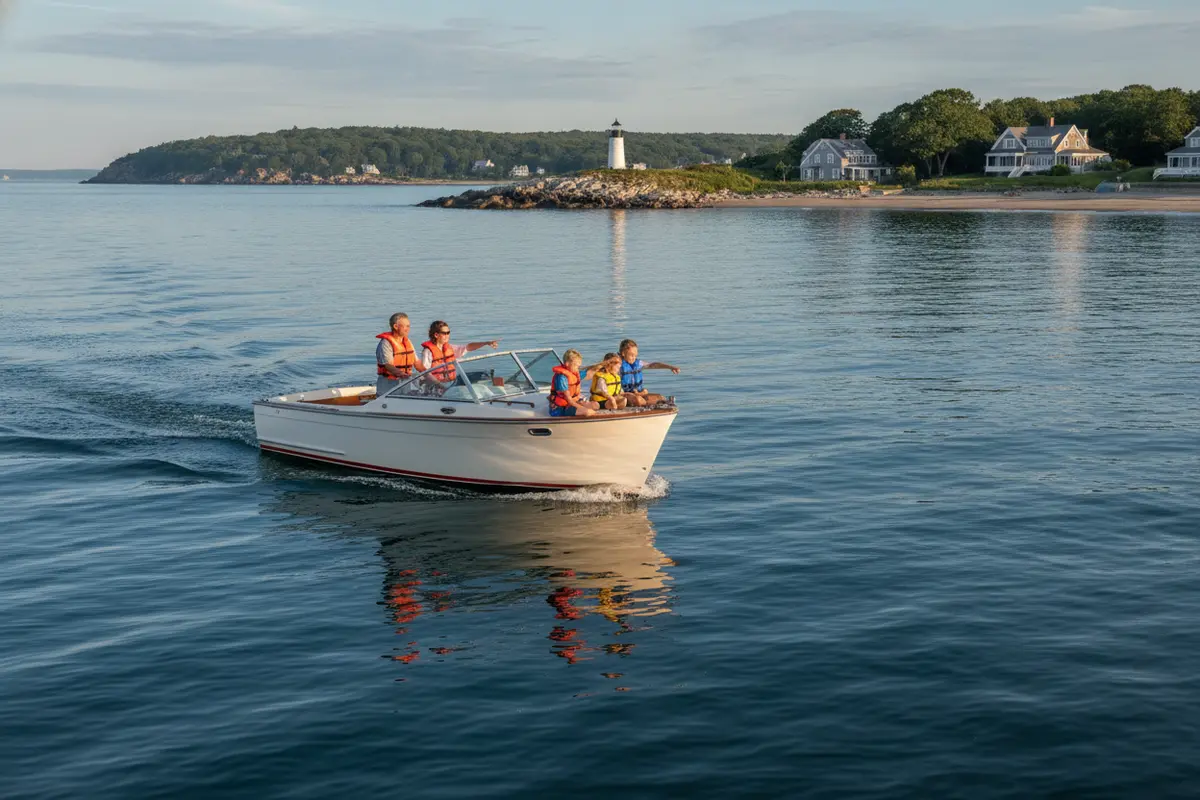
Give everyone a clear safety briefing before leaving the dock. Explain where passengers should sit, what the operator expects, and where safety equipment is kept. Use properly fitted life jackets as appropriate and follow current requirements and vessel instructions. Children should know to follow the operator’s directions and avoid distracting the person at the helm.
Keep checking the conditions and the crew as the day progresses. Rising wind, poor visibility, an unwell passenger, or unexpected handling are reasons to adjust early. If the operator is uncertain, stop extending the route and choose the conservative option. Returning or waiting is not a failed outing; it is part of responsible planning.
For regional background, the Newburyport cruising guide describes the city’s role as a recreational boating center. Treat guide material as background only; current charts, forecasts, local rules, and on-the-water judgment should guide an actual trip.
Families considering membership can review Boating 101 for basic boating context, then list what they still need to learn. Separate general questions, such as preparing passengers, from boat-specific questions that require a conversation about the vessel, training, and operating area.
Ask Karen or Eric about arranging a tour
What do families ask about Newburyport boating?
Is Newburyport suitable for a first boating outing?
It may be a setting for a family outing, but suitability depends on the route, conditions, boat, and operator’s experience. New boaters should seek appropriate instruction and choose a conservative plan rather than heading into unfamiliar conditions.
Can a family plan a trip from the river to the open coast?
That depends on conditions, the boat, and the operator’s skills and judgment. Check current forecasts and local guidance, and do not continue into water or conditions that exceed your experience. A shorter trip in more protected water may be a better fit.
Does every boat have a bathroom or cabin?
No. Layouts and facilities vary, so ask about the specific boat. Carefree Boat Club says its boats have onboard heads with toilets; a few have sinks, and none have showers or elaborate full bathrooms. Do not assume a cabin is available.
How can I decide whether membership fits my family?
Consider how often you expect to boat, which locations and boat types suit your group, how reservations work, and what instruction is offered. Review the membership information and talk with the local family-owned team about details.
A well-planned Newburyport boating day is built around the crew, current conditions, and a route that leaves room to adapt. Decide what would make the outing comfortable, ask detailed questions before choosing a boat, and keep safety ahead of a fixed itinerary.