
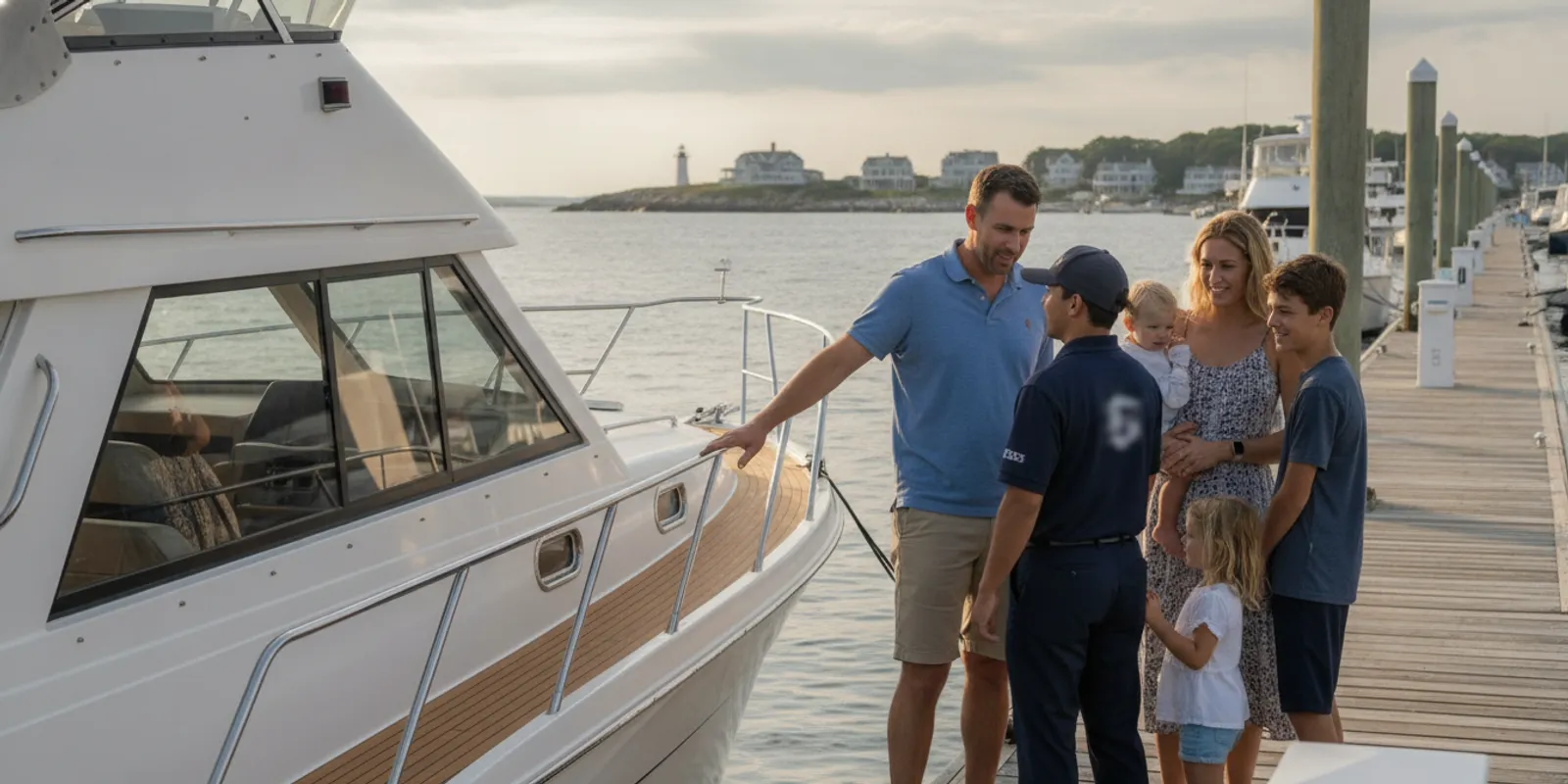
People often ask, how do boat clubs work, and what changes when you join one? A boat club gives members access to boats through a membership and reservation system. The club manages its fleet and establishes procedures for training, departures, and returns. Members plan outings, follow those procedures, and use an available boat under the membership terms. The details vary by club, so the clearest answer comes from understanding the model and asking how it works at the local home port.
Schedule a tour and talk with Karen or Eric
What does a boat club membership usually include?
A membership is an ongoing arrangement rather than a one-time transaction for a single day on the water. The member pays according to the club’s written terms and receives access to its boats subject to availability, reservation rules, and operating procedures. The club typically handles fleet upkeep and sets out what happens before and after each outing. Members, in turn, take responsibility for using the boat safely and returning it as directed.
Do not assume every club includes the same services. Ask whether the membership includes an orientation, on-water instruction, help selecting a suitable boat, departure support, and guidance on fuel or equipment. Ask what is not included, too. A clear list of included services and member duties is more useful than a broad description such as “hassle-free boating.” You can read about Carefree Boat Club’s background and then confirm current terms with the local team.
The membership is designed around access, not ownership of a particular vessel. That changes the planning question. Instead of choosing one boat to buy and keep, you consider what boats are available through the club, when you expect to use them, and which rules apply to each reservation. Ask for the current membership agreement before deciding, and make sure any verbal explanation matches the written terms.
How do reservations and boat use work?
Members reserve a boat for an available date and time using the club’s booking process. The rules may define when reservations open, how many future outings a member can hold, which time slots are offered, and how to make another reservation after a trip. Those details shape the practical value of membership, especially if your schedule is limited to popular weekend dates.
Ask questions tied to your real routine. If you need to plan around school or work, find out how far ahead you can reserve and whether the system has a limit on future bookings. If you sometimes decide at short notice, ask how same-day availability is handled. If you mainly hope to boat on holidays, ask whether those dates have different booking rules. Get the answers for the specific membership option you are considering rather than relying on a general promise about access.
| Membership detail | Question to ask | Why it matters |
|---|---|---|
| Reservation window | When can members book, and how many future reservations may they hold? | Shows whether the system fits how far ahead you plan. |
| Time slots | What departure and return windows are available? | Helps you match a typical outing to the schedule. |
| Busy dates | Are weekends or holidays handled differently? | Clarifies the rules for the dates you value most. |
| Changes and weather | How do cancellations, weather changes, or a late return work? | Explains what to do when plans change. |
| Boat selection | Can you choose a layout, and what happens if it is unavailable? | Connects access to your crew and intended activity. |
A useful way to evaluate the system is to test it against a sample month. Imagine you want one Saturday outing, one weekday evening, and a second trip if the weather is good. Ask the club to walk you through which reservations you could hold, how you would book the next trip, and what happens if you need to change a date. You do not need to predict every outing; you do need a realistic sense of how the rules operate.
Availability is shaped by the fleet, demand, weather, maintenance, and the operating calendar. A reservation system organizes access; it cannot make every boat and date available to every member at once. Ask how the local team communicates availability and changes. For a closer look at boat types and layouts, review the Massachusetts fleet and ask which options are appropriate for your plans.
What training should a member expect?
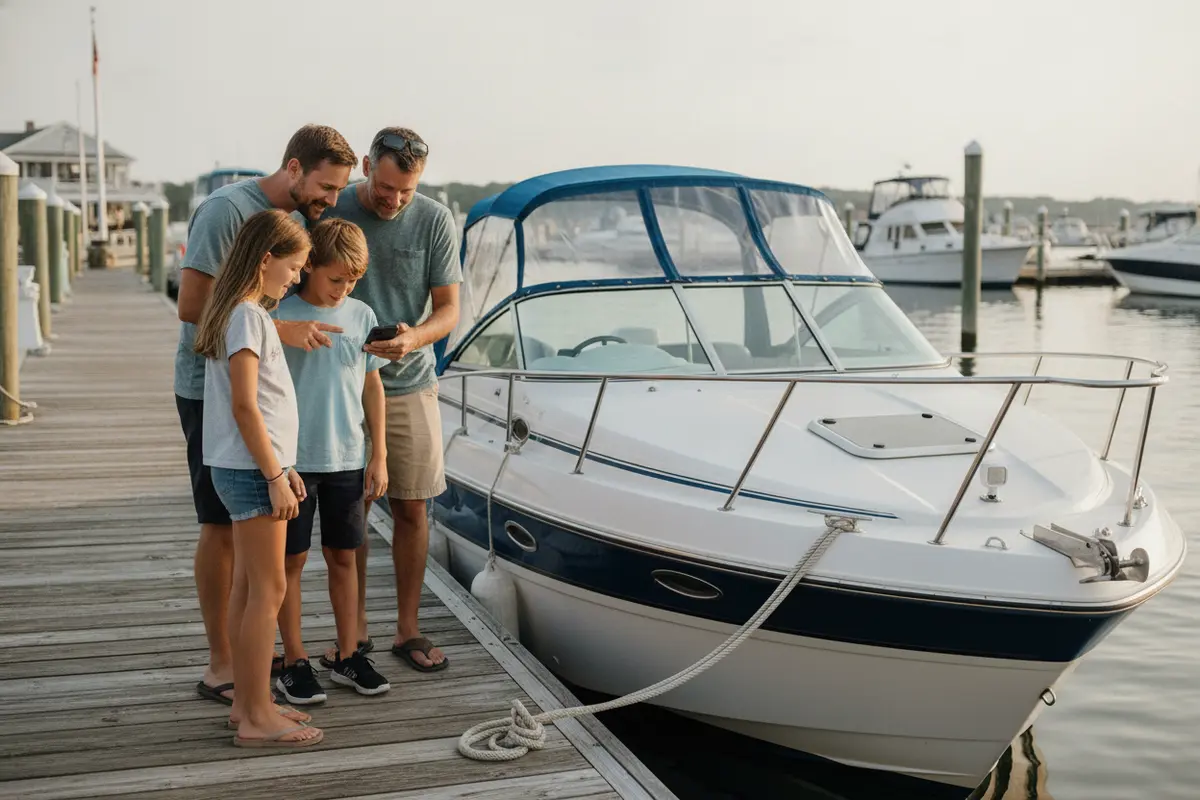
Training helps a member learn safe operating habits and become familiar with the boat and the local procedures. A club may use an orientation, on-water instruction, or a check-out before a member operates a boat independently. The format and requirements can differ by club and by vessel, so ask what applies to your membership and to each boat type you may use.
If you are new to boating, explain that honestly. Ask what the first step is, how instruction is scheduled, what skills are covered, and how the club decides that you are ready to operate on your own. A patient, staged approach can help you build confidence without rushing. Experienced boaters should also expect to learn boat-specific systems, safety equipment locations, local dock routines, and any rules for checking out and returning a vessel.
Training is not a substitute for required boating safety knowledge, current regulations, or good judgment. Conditions can change, and a boater remains responsible for making careful decisions. Ask how to get help if you are unsure about a system or a local procedure. Carefree Boat Club describes its on-the-water training; its boating basics can also help you prepare questions before speaking with the team.
During a tour or conversation, ask to see how training connects to the actual boating day. For example: who explains the boat’s controls, where are required safety items kept, what checks should be done before leaving, and who should be contacted if something does not seem right? Practical answers help you understand whether the learning process is clear and whether it matches your experience level.
Who prepares and cares for the boats?
One reason people explore a club is to avoid managing the recurring work that comes with keeping a personal boat. In a club, the operator manages its fleet under its own maintenance and preparation procedures. That does not mean the member has no responsibilities. Members are expected to follow operating instructions, use equipment appropriately, complete any required checks, report concerns, and return the boat on time and in the required condition.
Ask what happens before departure. Is the boat prepared for the member, and what checks should the member still complete? Ask how the fuel process works, where to find safety equipment, and how to report a mechanical or equipment issue. Then ask what to do if a concern arises away from the dock. Knowing whom to call and what information to provide can make an unexpected problem easier to manage.
Return procedures matter as much as departure procedures. Confirm the return time, where the boat should be brought, what cleanup is expected, and how to report damage or a problem noticed during the outing. Do not assume a particular process based on how another club works. The local team should explain its rules, including what to do if weather, traffic, or another issue delays your return.
Make a short mental checklist before each trip: confirm the reservation and departure instructions; arrive with enough time for the required briefing; check that you understand the boat and safety equipment; follow the route and operating guidance provided; then contact the club promptly about any concern. At the end, follow the return directions and report anything unusual. Clear routines help protect the boat and make the next member’s departure smoother.
What happens during a typical boating day?
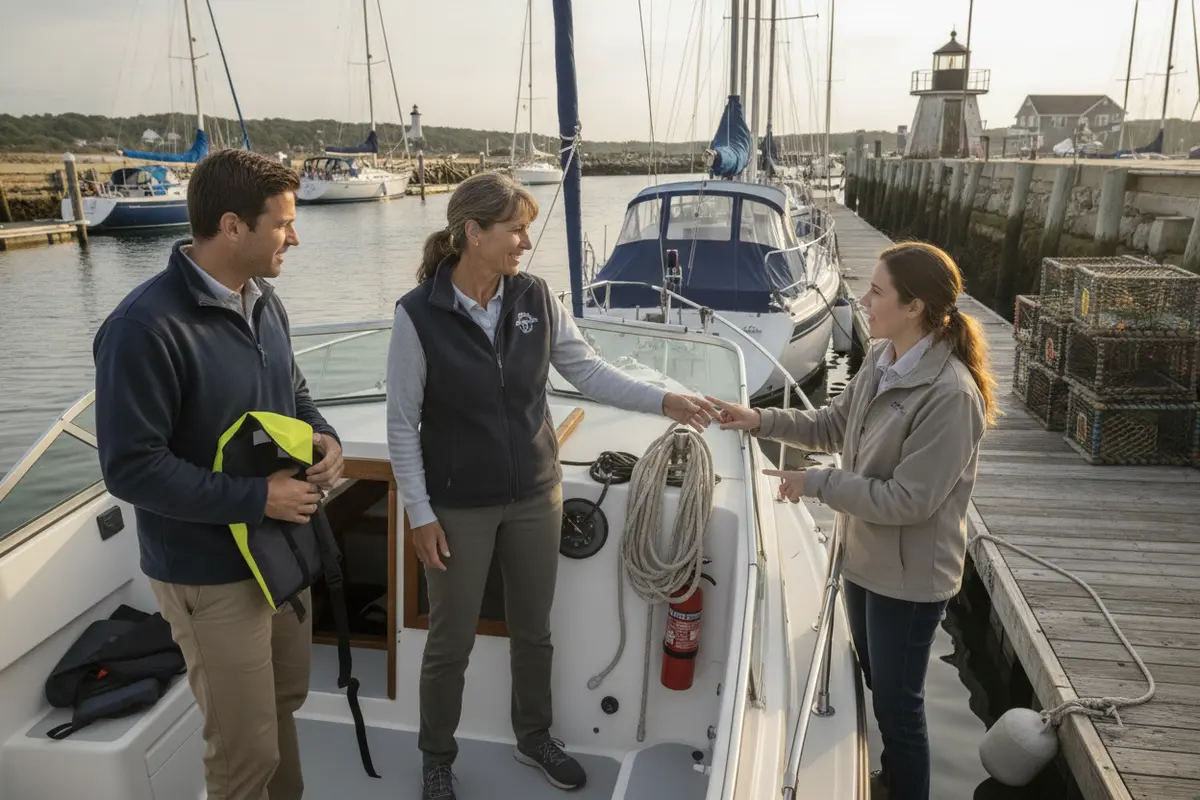
A club outing usually has a few clear stages: confirm the reservation, arrive at the dock with enough time for the departure process, review the boat and safety instructions, and return within the assigned time. Ask the team to describe each stage for the home port you expect to use. Knowing the sequence helps you plan arrival time, prepare your crew, and understand when staff support is available.
Before you leave, make sure everyone aboard knows the basic plan and the location of required safety equipment. Ask about the route or operating area that is appropriate for your experience and the conditions, and follow all applicable navigation and safety rules. If your plans change or a concern comes up, use the club’s stated contact process rather than waiting until the boat is back at the dock.
On return, leave enough time for the required check-in and any member tasks. Report an equipment issue, damage, or delay promptly, even if the boat still appears usable. These practical steps are part of membership because the next reservation depends on a clear handoff. The club should explain its own process rather than leaving members to guess.
How do you choose a home port and boat?
Start with where you actually expect to go boating and how much travel you are willing to do before an outing. A home port that looks convenient on a map may be less practical at the time you usually leave. Consider the drive, parking and arrival process, the schedule, and whether the routes and boating areas suit your experience and plans.
Carefree Boat Club of Massachusetts operates at Boston, Danvers, and Gloucester. Compare the location details for Boston, Danvers, and Gloucester as a starting point, then ask which location is appropriate for the membership you are considering. Do not assume that every boat or service is identical at each dock.
Think about your crew before choosing a boat. How many people usually come along? Are children or guests likely to join? Do you want open space for moving around, seating for a relaxed outing, or a layout suited to a particular activity? Ask about passenger limits and onboard features rather than judging only by a boat’s name or photograph. The right layout depends on the outing and the people aboard.
Ask whether members can use different boat types and whether an additional orientation is needed when changing layouts. If you have a particular outing in mind, describe it in practical terms: who is coming, how long you hope to be out, and what you want to do. The local team can explain what options may suit that plan, subject to the club’s rules and availability.
What does reciprocal access mean?
Some boat-club networks allow eligible members to reserve boats at participating locations beyond their home club. This is commonly called reciprocal access. It can be useful for a trip away from home, but it is not a blanket guarantee that any boat will be available whenever you arrive. Access depends on the network’s eligibility rules, local reservation process, and availability.
Carefree members have access to boats at 150+ participating club locations nationwide. Before planning a trip, ask how to make an out-of-area reservation, how far ahead to plan, whether access has limits, and whether training or a local orientation is needed at the destination. Also ask if the available boat types and operating procedures differ from what you know at your home port. Check the membership information and have the local team explain how the current terms apply.
A practical example: if you expect to visit another region during a vacation, do not build the whole trip around an assumed boat reservation. First confirm that the destination participates, that your membership qualifies, and that a suitable time and boat are available. Then ask what local rules to review before departure. Treat reciprocal access as an option to plan and verify, not as a substitute for checking the details.
For a Massachusetts point of reference on organized boating groups, a public record identifies the Massachusetts Boating & Yacht Club Association as a trade association based in Peabody. That listing is not a guide to any club’s membership terms, so ask the club directly about its own operating rules and benefits.
How can you decide whether the membership model fits?
Begin with frequency and flexibility rather than trying to guess a perfect number of boating days. Write down the outings you hope to take in a typical month, the days of the week you can go, and the locations that work for you. Then compare that pattern with the reservation windows and available time slots. A family with flexible weekdays may assess the calendar differently from someone who can only boat on weekend afternoons.
Next, consider how much help you want. Someone returning to boating after a long break may care most about instruction and a clear way to ask for support. An experienced operator may focus more on the fleet, reservation process, and home-port access. A family planning group outings may want to understand passenger capacity, onboard facilities, and how to prepare guests for the day. There is no single checklist that matters equally to every household.
Then review the written agreement, not just a tour or conversation. Make sure you understand the membership term, renewal or cancellation provisions, reservation rules, training requirements, member responsibilities, and any charges or conditions that apply. Membership terms run from April through April; confirm how that term applies to your start date and the agreement you would sign. Ask for clarification on anything that is vague before making a decision.
Use these questions to make the conversation concrete:
- Which home port would make the most sense for where we live and travel?
- What reservation pattern would fit the days we can usually go?
- What happens when our preferred boat or time is not available?
- What training is required before independent use, and what further help is available?
- What does the club prepare, and what do we do before departure and on return?
- How do we report a problem, delay, or change of plan?
- What should we know before using reciprocal access?
- Where can we review the full written terms before deciding?
For a conversation about a specific home port, contact the local team rather than relying on general assumptions. The frequently asked questions page can help you identify topics to discuss, but current agreement terms and your particular situation should be confirmed directly.
Ask Karen or Eric how membership works at your preferred home port
What questions do people ask about how boat clubs work?
Is a boat club a one-time booking?
No. A boat club is based on ongoing membership and access under the club’s terms. Members reserve outings within the club’s availability and operating rules, and the membership also defines training, member responsibilities, and any included support. Review those terms to understand how access works throughout the membership.
Do I need boating experience before joining?
Requirements depend on the club, membership, and boat. Ask what orientation and instruction are required before operating independently. If you are new to boating, be open about your experience and ask how the club helps members learn the specific procedures. Training does not remove the need to follow applicable safety requirements and use sound judgment.
Can I use a boat at a different location?
Carefree members have access to boats at 150+ participating club locations nationwide, subject to applicable rules and availability. Confirm eligibility, reservation steps, and any local orientation before you plan an outing away from your home port.
Who is responsible for maintaining the boats?
The club manages its fleet, while members follow the departure and return process, operate boats responsibly, and report issues. Ask the local team exactly what preparation and boat-care steps are included and what members must do.
What should I check before signing up?
Review the written membership term, booking rules, training requirements, home-port options, member duties, and any additional conditions. Try the details against a realistic boating month and ask the team to clarify anything that does not fit your plans.
What is the best next step?
Write down the dates, locations, and kinds of outings your household hopes to enjoy, then compare those plans with the club’s reservation rules, training, fleet, and written terms. A direct conversation with the local team can clarify how membership works in practice and whether the arrangement suits your expectations.