
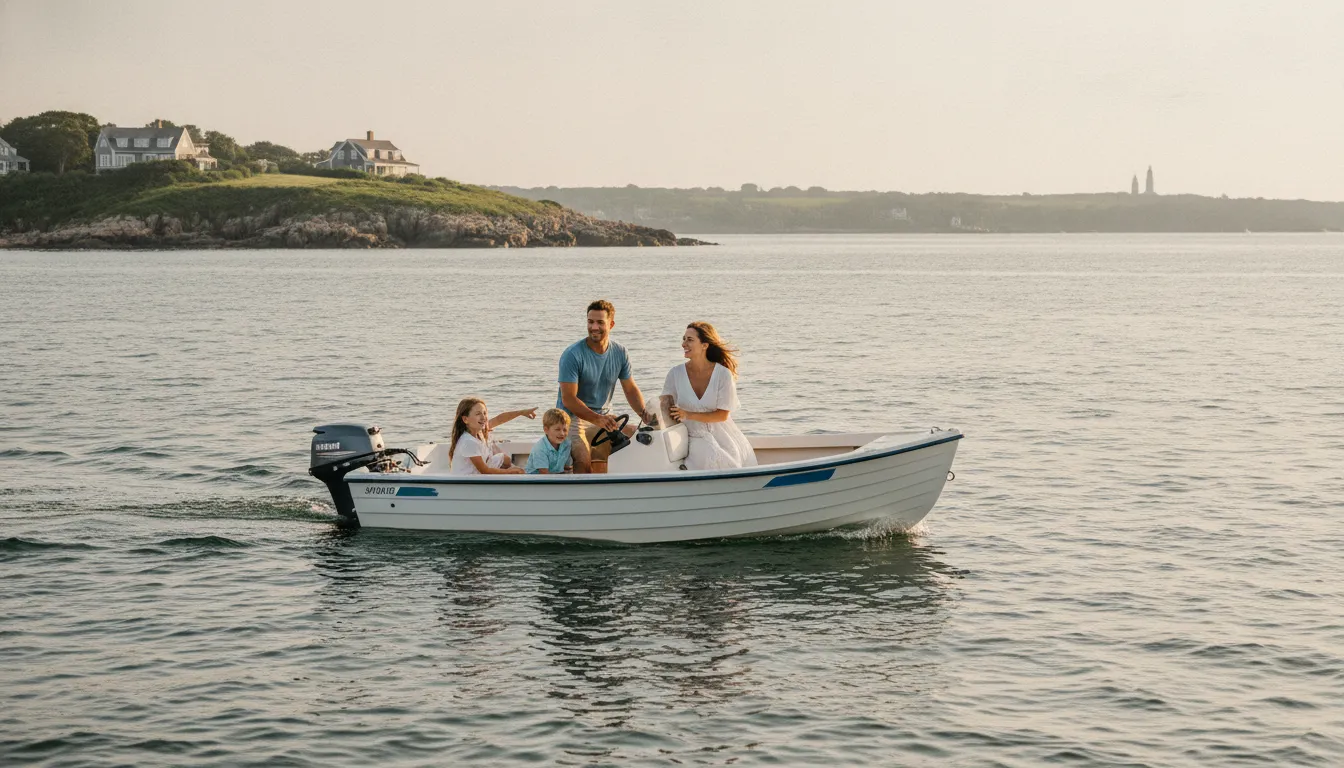
A Gloucester fishing charter is a guided outing. An experienced captain handles the boat while you focus on fishing, scenery, and time on the water. Carefree Boat Club is not a charter operator. Membership is a different kind of boating experience, giving qualified members more control over when they go, along with the training and boating responsibilities that come with operating the boat yourself.
The better choice depends on what you want from a day on the Gloucester waterfront. A one-time guided trip may suit someone seeking an organized fishing experience. Membership may appeal to someone who wants to build boating confidence and spend more regular time on the water. Understanding how the two models differ makes that decision clearer.
How Does a Gloucester Fishing Charter Differ from Boat-Club Membership?
Carefree Boat Club is designed for people who want more control over when and how they go boating. Qualified members access club boats after completing required training. They plan outings, operate the boat themselves, and choose the kind of day they want, whether fishing, cruising, or exploring Gloucester.
A Gloucester fishing charter generally follows a different model. A customer books a specific trip with a captain or guide. The group joins that professional for a planned fishing experience while the captain handles the boat and navigation. That can suit visitors, occasional anglers, or anyone who wants guidance without operating a boat.
The difference is not simply charter versus membership. It is a choice between one scheduled, guided outing and an ongoing boating option that gives trained members greater independence. The Gloucester boating location can help readers compare local access and boating options.
Gloucester fishing charter and boat-club membership compared
Each consideration is compared below for easier reading on any screen.
Trip format:
Boat-club membership: An outing arranged by a trained member using an available club boat.
Fishing charter: A booked fishing trip arranged with a captain or guide.
Control:
Boat-club membership: The member has more control over the itinerary, pace, and activities, subject to club policies and boat availability.
Fishing charter: The captain typically shapes the route and timing around the trip plan, conditions, and fishing goals.
Captain or guide:
Boat-club membership: Members operate the boat after completing the required training. A captain is not automatically part of each outing.
Fishing charter: A professional captain or guide operates the boat and commonly provides local knowledge and fishing instruction.
Frequency:
Boat-club membership: Members can plan multiple outings during their membership, based on reservations, policies, and availability.
Fishing charter: Each trip is booked separately, so the customer decides whether and when to schedule another charter.
Planning:
Boat-club membership: The member takes an active role in selecting dates, preparing for the outing, and deciding what to do on the water.
Fishing charter: The customer usually selects a trip type and date, then relies on the charter operator for much of the preparation.
Responsibility:
Boat-club membership: The member is responsible for following training, safety, reservation, and operating requirements while using the boat.
Fishing charter: The captain manages boat operation and navigation, while passengers follow the operator’s safety instructions.
For a single guided fishing adventure, a charter may be the more direct choice. For residents who want to build boating into their regular leisure time and are comfortable learning to operate a boat, membership offers a different kind of access. Carefree does not provide charter trips, so readers should choose based on whether they want a captain-led outing or the independence of boating after training.
When Is a Gloucester Fishing Charter the Better Fit?
A Gloucester fishing charter may be the better fit when your priority is a single, guided outing rather than ongoing access to a boat. This format can work well for visitors planning one day on the water, families who want a focused activity, or anglers who prefer to spend the trip fishing instead of organizing the details of a boating day. You can reserve a specific experience, meet the crew at the designated departure point, and follow a trip plan led by people familiar with the local operating conditions.
A charter is also worth considering if you do not want to captain the vessel. The provider typically handles the operation of the boat and directs the on-water experience, while you concentrate on the planned activity. That can make sense for someone who is new to boating, has limited time in Gloucester, or does not want to manage navigation, launch logistics, safety procedures, or equipment decisions. It is a trip-focused choice, not a substitute for learning how to operate and plan your own boating outings.
What Should You Confirm Before Booking?
Charter offerings are not identical, so review the current details with the provider before committing. Confirm the schedule and departure location, then check whether the trip is private or shared, how long it lasts, and what the itinerary includes. Ask what equipment is supplied and what passengers should bring. If you have children, mobility considerations, or a larger group, verify the passenger terms and any age, weight, or accessibility requirements directly.
Weather and cancellation policies deserve equal attention. Ask how the provider handles unsafe conditions, rescheduling, cancellations, and deposits or other booking commitments. A published policy may not answer every practical question, especially when conditions change close to departure. Direct confirmation helps you understand what happens if the trip cannot operate as planned.
You should also evaluate the experience itself rather than relying only on a trip name. Ask what level of participation is expected, whether instruction is part of the outing, and what kind of day the format is designed to provide. Avoid assuming a particular result. No responsible provider can guarantee conditions, timing, or a specific catch, and any description of the trip should be understood in that context.
How Does This Differ From Carefree Membership?
A Gloucester fishing charter and Carefree membership serve different boating goals. A charter is arranged around a particular guided trip. Carefree membership is not charter service, and members are not booking a crew-led fishing excursion through the club. Membership is better suited to people who want recurring opportunities to use club boats and are prepared to plan their own outings within the club’s rules and availability.
Choose the charter model when convenience, guidance, and a one-time fishing experience matter most. Explore membership when you want a continuing boating option and are interested in taking a more active role in deciding where and how you spend time on the water. The right choice depends on your schedule, boating experience, preferred level of responsibility and whether you want one organized trip or an ongoing way to get out on the water.
What Kind of Control Does Boat-Club Membership Offer?
Boat-club membership gives repeat boaters more freedom to plan their time on the water without taking on every responsibility that comes with ownership. You can choose the kind of outing that fits the day, whether that means a quiet harbor cruise, a family trip, an afternoon exploring the coast, or time spent fishing where local rules and conditions allow. The key difference is that the member is making those choices, rather than booking a fixed itinerary with a charter operator.
That control still works within practical boundaries. You reserve a boat through the club, select from available locations and vessels, follow the club’s reservation policies, and make the final call based on weather and sea conditions. Popular weekends and peak boating periods may require advance planning. A membership does not guarantee access for a particular date, a specific boat, or a successful fishing trip. It also is not a charter service, so there is no captain automatically provided to plan or operate the outing for you.
How does training affect your independence on the water?
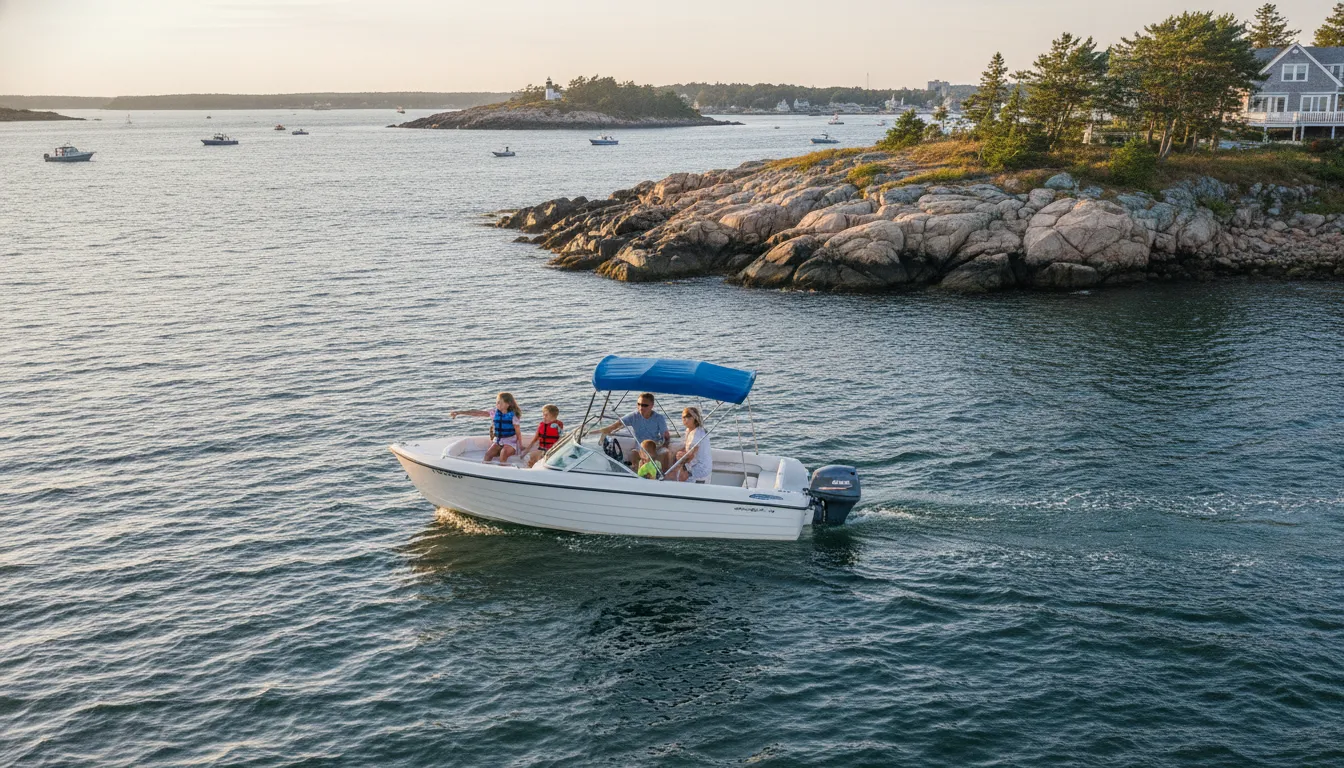
After completing the club’s required orientation and boat training, members operate the boat themselves. That creates a more personal experience than riding along on a scheduled charter. You can decide when to leave, how long to stay out, and how to shape the outing while remaining responsible for safe operation, navigation, and compliance with applicable boating regulations. Members should always use sound judgment and postpone a trip when conditions are not appropriate.
For members in the North Shore area, the Gloucester location provides another starting point for exploring local waters. The harbor’s access can support different kinds of recreational plans, but the right destination depends on the reservation, weather, boat suitability, and your own experience. If your goal is a Gloucester fishing charter, remember that club membership offers boat access and personal control, not a guaranteed charter, guide, captain, or catch.
Can membership support boating beyond one local harbor?
Reciprocal access is another way membership can expand your options. Carefree members receive access to participating Carefree locations, with more than 150 locations available through the reciprocal network. Availability, reservation requirements, local operating rules, and boat choices vary by location, so members should check the details before planning a trip away from their home club. You can review the membership information to understand how the program works and what questions to ask before joining.
The result is a balance between structure and independence. The club handles the membership framework, training process, and reservation system, while you choose how to use an approved outing window. That model can suit people who want to boat regularly and make their own plans without committing to the full range of maintenance and ownership tasks.
What Training and Responsibilities Come with Membership Boating?
Membership boating gives you the opportunity to captain a boat yourself, but it also comes with practical preparation and ongoing responsibility. Before heading out, members learn how to use the boat safely and how to make sound decisions on the water. The goal is to build confidence through hands-on instruction, not to replace judgment or attentiveness.
Training begins with the basics of each outing. Members learn the check-in and check-out process, review the required safety equipment, and become familiar with the boat’s systems. Instruction also covers VHF and radio procedures, local navigation, motor operation, launching, docking, and what to do if a breakdown occurs. These details matter because conditions, waterways, and boat models can vary from one trip to the next.
Learn more about on-the-water training and the skills members build before operating a boat independently.
Members Remain in Command
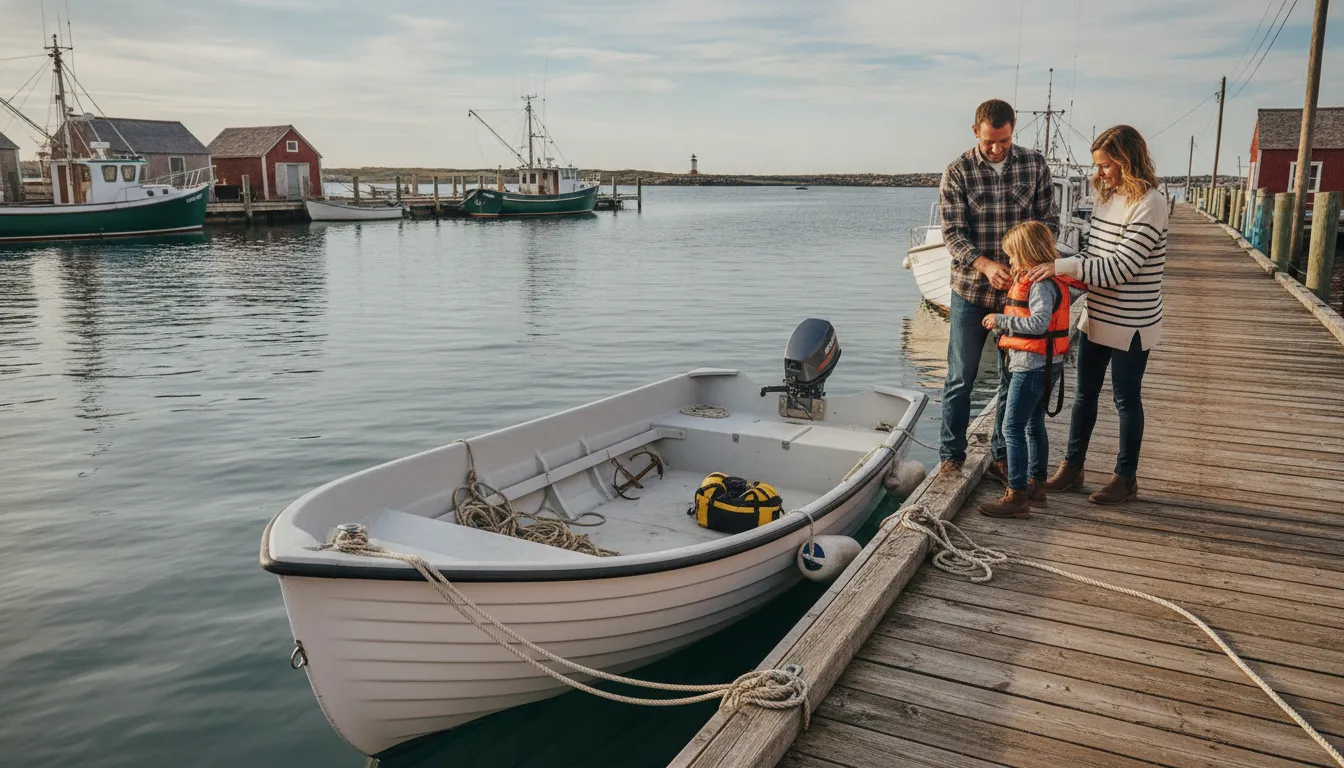
After training, the member is the captain and operator of the boat. That means the member remains responsible for deciding whether conditions are appropriate, where to travel, how to approach a dock, and when to return. Safe operation includes checking weather and local conditions, using required safety equipment, following navigation rules, and making conservative choices when circumstances change.
Membership boating is not a guided charter. There is no captain making every decision for you while you relax as a passenger. Instead, it is a way for qualified members to enjoy time on the water with the independence of operating the boat themselves. Members should be prepared to ask questions, refresh their skills, and follow club procedures whenever they are unsure.
What Should Members Handle Before and After a Trip?
Responsibility continues throughout the outing. Before departure, members should complete the check-in process, inspect the boat, confirm that safety equipment is available, and make sure they understand the route and operating conditions. During the trip, they should operate at a safe speed, communicate appropriately, and stay alert to changing weather, traffic, and shallow water. At the end, members complete check-out, secure the boat properly, and report any issue that could affect the next outing.
These expectations help protect the member, guests, other boaters, and the equipment. For additional answers about how membership boating works, visit the Carefree Boat Club FAQ.
How Should You Choose Based on Trip Frequency and Goals?
The right boating approach depends less on a single outing and more on how you want boating to fit into your life. Start by considering how often you expect to go, what you want to do on the water, and how much responsibility you want to manage between trips. Someone planning one occasional fishing excursion may have different priorities than a family hoping to spend many summer weekends exploring the coast.
Carefree Boat Club is built around the idea of Boating Without Owning. Members can enjoy access to boats while avoiding many ownership responsibilities, but the model is not automatically the best fit for every goal. A thoughtful decision should account for your preferred level of control, preparation, and independence.
How often do you expect to use a boat?
Trip frequency is a useful starting point. If you only want an occasional, highly specific outing, a single-service option may feel simpler. If you expect to boat regularly, membership can make more sense because it supports an ongoing relationship with boating rather than treating every trip as a separate event. Think about realistic behavior, not an idealized summer schedule. Consider weekday evenings, family day trips, fishing mornings, and the weather flexibility you would actually use.
Do you want a captain, or do you want to operate the boat?
Some boaters value having an experienced captain handle navigation and operation so they can focus on fishing, sightseeing, or time with guests. Others want to build confidence at the helm and make the decisions themselves. Carefree emphasizes training and member preparation for people who want to operate boats independently. If self-operation is part of your long-term goal, ask what instruction, orientation, and ongoing support are included before choosing a path.
How much control do you want over the day?
Boating goals can range from a planned coastal outing to a spontaneous afternoon on the water. Consider how comfortable you are with reservations, preparation, weather decisions, and route planning. A club structure may suit people who want repeat access with a framework for scheduling and responsible use. Those who prefer a fully arranged experience may prioritize a different format. The important question is whether the process supports the way you want to spend your time.
- How many boating days can you realistically plan each season?
- Do you want to learn and operate the boat yourself?
- Would training and support make you more comfortable on the water?
- Do your goals include fishing, family outings, cruising, or several activities?
- Are you comfortable planning ahead while keeping some flexibility?
For prospective members, the best next step is to compare these answers with the club experience directly. A conversation and tour can clarify whether the Carefree model aligns with your boating goals, comfort level, and expectations for the season.
Frequently Asked Questions
How does a Gloucester fishing charter differ from Carefree Boat Club membership?
A Gloucester fishing charter is a guided outing planned around a specific trip. Carefree Boat Club membership is designed for members who want to use club boats for their own boating plans. A charter typically includes a captain and a defined itinerary. Membership offers a different model for arranging repeated outings, subject to the club’s reservation and operating policies.
Is Carefree Boat Club a fishing charter operator?
No. Carefree Boat Club is a boat club, not a traditional fishing charter operator. Members reserve available club boats and operate them within the club’s requirements. That makes membership better suited to people who want flexibility for activities such as cruising, sightseeing, and fishing, rather than a single guided charter experience.
Who is responsible for the boat during a Carefree outing?
The member who reserves and operates the boat is responsible for following the club’s rules, meeting eligibility requirements, and handling the outing safely. Members should confirm current operating policies, weather limits, navigation requirements, and any reservation conditions with the local club before departing.
What training is needed before using a club boat?
Prospective members should expect an orientation and boating-safety process before operating a club boat. The exact requirements can vary by location, experience, and boat type. Ask the local Gloucester-area club what training, credentials, checkouts, and documentation apply to your planned use.
Which option works better for repeat boating plans?
A charter may be the simpler choice when you want one scheduled, guided fishing trip. Membership may be a better fit when you expect to plan multiple outings and want to choose different boating activities over time. Compare your preferred frequency, need for a captain, desired flexibility, and comfort operating a boat before deciding.
Ready to Explore Boating from Gloucester?
A fishing charter and a Carefree Boat Club membership offer different ways to spend time on the water. If you are considering more flexible boating from Gloucester, a tour can help you understand how the club experience fits your plans and answer your membership questions.
Book a Carefree Boat Club tour to discuss membership and boating from Gloucester.
https://addlinks.pro/23DtB