
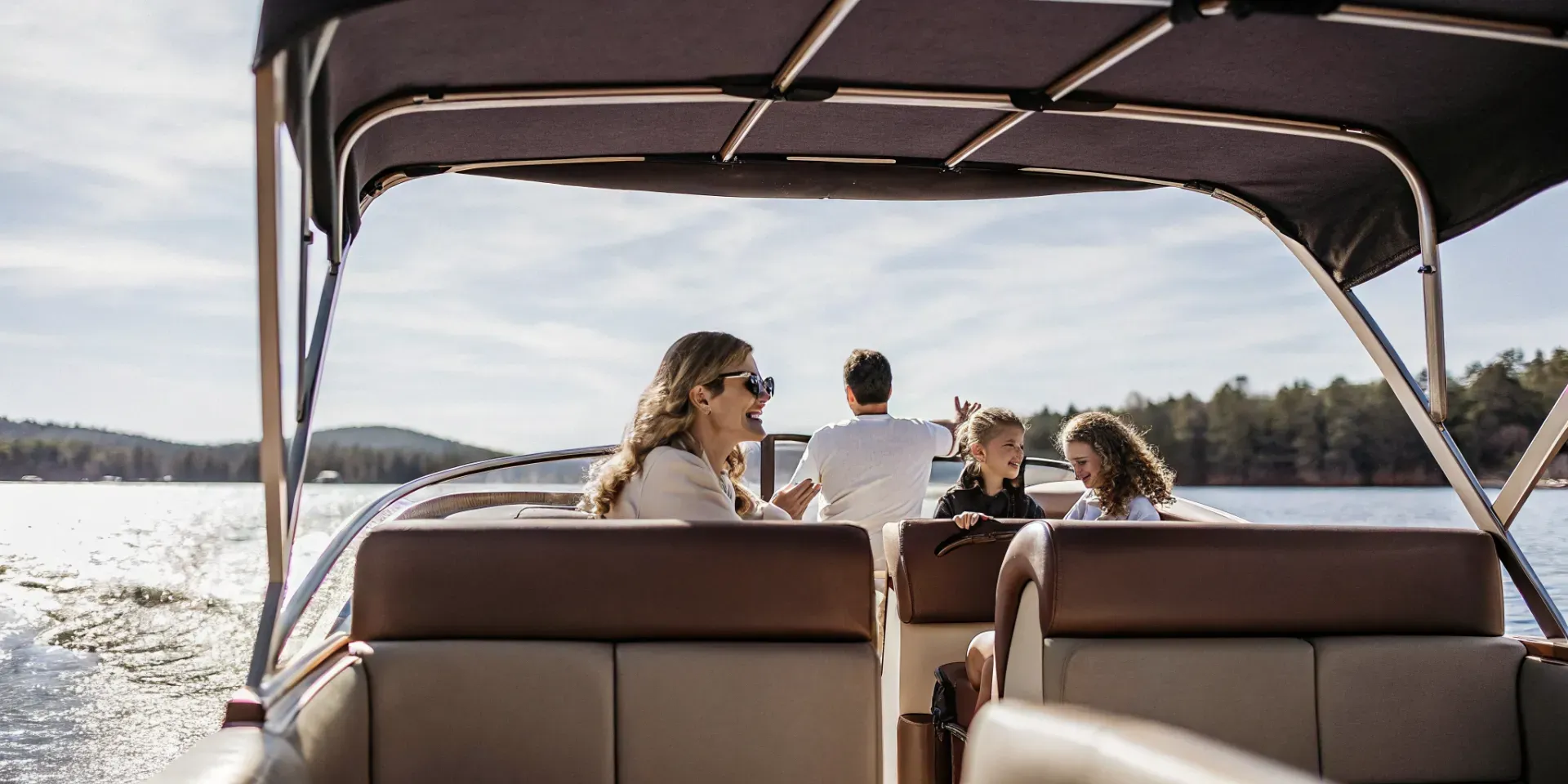
A single boat rental is the perfect solution for a special occasion, like a birthday party or a family visit. But what happens when you find yourself wanting to get out on the water every sunny weekend? The cost and hassle of booking multiple rentals can start to feel less like a convenience and more like a chore. If you’re boating more than a few times a season, you might be at a crossroads, wondering if there’s a better way. This guide will help you explore your options. We’ll cover everything you need to know for a successful boat rental while also comparing it to the benefits of a boat club membership, so you can decide which path truly fits your lifestyle.
Key Takeaways
- Plan Your Trip from Start to Finish: Choose a boat that fits your plans, whether it’s a pontoon for a party or a center console for fishing. Before you go, confirm you meet the rental company’s age and license rules, and pack essentials like sunscreen, snacks, and water.
- Prioritize Safety and Understand the Costs: The advertised rental rate is rarely the final price, so ask about extra charges for fuel, insurance, and security deposits. Always perform a pre-launch inspection of the boat and its safety equipment to protect yourself and ensure a worry-free day.
- Compare Renting to a Boat Club Membership: While renting is perfect for a single outing, a boat club membership is often a better value if you plan to boat frequently. A membership provides unlimited access to a diverse fleet without the recurring costs and responsibilities of renting or owning.
What Types of Boats Can You Rent?
Choosing the right boat is the first step to planning a perfect day on the water. The type of boat you rent will shape your entire experience, whether you’re planning a quiet fishing trip, a lively family outing, or a thrilling day of watersports. Rental companies and boat clubs typically offer a variety of vessels, each designed for a specific purpose. Think about what your ideal day looks like. Do you want to relax and sunbathe with a large group of friends? Or are you hoping to catch the biggest fish of the season? Your answer will point you toward the perfect vessel.
Understanding the basic types of boats available will help you make the best choice for your adventure. From spacious pontoons perfect for parties to nimble bowriders built for speed, there’s a boat for every occasion. Many boat clubs pride themselves on offering a diverse fleet to match any activity you have in mind. This variety ensures that whether you’re a seasoned captain or a first-time boater, you can find a boat that feels comfortable and suits your plans. Let’s look at some of the most common options you’ll find, so you can feel confident when you make your reservation.
Pontoon Boats
If you’re thinking of a relaxed, social gathering on the water, a pontoon boat is your best friend. Picture a floating patio with comfortable couches, plenty of space to move around, and a stable platform perfect for all ages. Pontoons are known for their incredible stability, thanks to the two or three large tubes (the pontoons) that support a wide, flat deck. This makes them ideal for families with small children or anyone who prefers a smooth, steady ride. They’re perfect for leisurely cruises, anchoring in a calm cove for a swim, or enjoying a picnic with a beautiful waterfront view.
Bowriders and Deck Boats
For those who want a little more versatility and speed, bowriders and deck boats are fantastic all-around options. These boats are the sporty sedans of the water, offering a great mix of performance, comfort, and style. As the name suggests, bowriders have an open seating area in the bow (the front of the boat), creating extra space for passengers to lounge and enjoy the ride. They have enough power for watersports like tubing and water skiing but are also comfortable enough for a simple cruise. A deck boat is similar but often has a wider bow, maximizing deck space and seating for larger groups.
Center Console and Fishing Boats
For the dedicated angler, nothing beats a center console boat. These vessels are purpose-built for fishing, with a design that prioritizes function and open space. The steering and controls are located on a central console, leaving the perimeter of the boat open for easy, 360-degree access to the water. This means you can cast your line from any spot without obstruction. These boats are typically rugged and designed to handle various conditions, making them a reliable choice for heading out from a port like Gloucester in search of a great catch. They often come equipped with features like rod holders, livewells for bait, and fish finders.
Cruisers and Cabin Cruisers
When you want to add a touch of luxury or extend your time on the water, a cruiser is the way to go. These larger boats are designed for comfort and longer journeys, often featuring a cabin with amenities like a small kitchen (galley), a bathroom (head), and sleeping quarters. A cabin cruiser is essentially your private getaway on the water, perfect for a full-day excursion or even an overnight trip. They provide a comfortable, enclosed space to escape the sun or weather, allowing you to explore further from shore without sacrificing convenience. Cruisers are ideal for small groups or couples looking for a more premium boating experience.
Breaking Down the Cost of a Boat Rental
Renting a boat for a day on the water sounds simple, but the final cost can vary quite a bit. Understanding the pricing structure, from hourly rates to potential hidden fees, helps you budget accurately and avoid surprises at the dock. Let’s walk through what you can expect to pay for a boat rental in Massachusetts.
Hourly, Half-Day, and Full-Day Rates
Boat rental prices are usually offered by the hour, half-day (about four hours), or full-day (about eight hours). On the lower end, you might find smaller boats for around $60 to $75 per hour. For a classic pontoon or a small powerboat, expect to pay between $75 and $150 per hour. If you’re looking for something larger or want a luxury boat that comes with a captain, the rates typically climb to the $200 to $400 per hour range. For a full day of fun, the total cost can land anywhere from a few hundred dollars to over $1,200, depending on the boat you choose.
Factors That Affect the Price
Several key things influence the price tag of your rental. The type and size of the boat are the biggest factors; a high-performance bowrider will cost more than a simple fishing boat from a rental company’s limited selection. Time is another major element. Weekend and holiday rentals are almost always more expensive than weekday rentals. The season also plays a role, with peak summer prices being higher than those in the spring or fall. Finally, deciding whether to hire a captain or drive the boat yourself will impact the cost. Keep in mind that most rental companies require you to be at least 25 years old to operate a boat yourself.
Hidden Fees to Watch For
The price you see advertised is rarely the final amount you’ll pay. Be on the lookout for additional costs that can add up quickly. Fuel is the most common extra charge; many companies require you to return the boat with a full tank, and marina fuel prices are often high. You’ll also likely need to put down a security deposit, which you could lose if the boat is damaged. Always ask about insurance coverage, cleaning fees, and charges for extra equipment like water skis or tubes. These variable costs are why many frequent boaters find a boat club membership to be a more predictable and straightforward way to get on the water.
What Do You Need to Rent a Boat?
Renting a boat for a day on the water is exciting, and a little preparation can make the experience completely seamless. Before you head to the marina in places like Boston or Gloucester, there are two main things to sort out: making sure you meet the rental requirements and packing the right gear for your trip. While rental companies handle the big stuff like maintenance and safety equipment, knowing the rules of the road (or rather, the water) and having your personal essentials ready will set you up for a perfect, stress-free day. Getting these details right ensures you can focus on what really matters: enjoying the sun, the sea, and the company you’re with.
Age and License Requirements
First things first, let’s talk about who can actually drive the boat. In Massachusetts, the state law is fairly straightforward: anyone 16 or older can operate a motorboat. However, rental companies almost always have their own, stricter policies. Most will require the person renting and driving the boat to be at least 21 or even 25 years old, so be sure to check with the company beforehand. While you don’t need a specific “boat license” to rent, some operators may need a boating safety certificate. It’s always a good idea to have your driver’s license and a credit card handy, as you’ll need them for the rental agreement.
What to Bring on Rental Day
With the paperwork sorted, it’s time for the fun part: packing for your adventure. The rental company will provide all the required safety gear, including life jackets, but you’ll want to bring items for comfort and fun. Think of it like packing for a day at the beach. A cooler with plenty of water, drinks, and easy-to-eat snacks is a must. Don’t forget sun protection like high-SPF sunscreen, hats, and sunglasses. It’s also wise to pack towels, a change of clothes, and a waterproof bag for your phone and keys. Many of the boats in our fleet come with built-in coolers and storage, but confirming the amenities on your specific rental will help you pack perfectly.
Essential Safety Rules and Onboard Gear
A perfect day on the water is a safe day on the water. While it’s easy to get caught up in the excitement of planning your route and packing snacks, understanding the essential safety rules is the most important step you can take. When you rent a boat, you’re the captain, and that means you’re responsible for everyone on board. Knowing what equipment to look for and which rules to follow ensures you can handle any situation with confidence.
This might sound like a lot of pressure, but it doesn’t have to be. A reputable rental company will walk you through the basics, but it’s always smart to be your own best advocate. Think of it like renting a car; you wouldn’t drive off the lot without knowing where the headlights and brake pedals are. The same principle applies to boating. Before you cast off from the dock in Boston or Gloucester, a quick review of the boat’s safety features and the local regulations will set you up for a stress-free adventure. This is also where a boat club membership shines, as comprehensive training and professionally maintained boats take the guesswork out of safety preparedness.
Required Safety Equipment
Every boat should come equipped with a standard set of safety gear required by the U.S. Coast Guard. Before you even think about leaving the dock, do a quick inventory to make sure everything is on board and you know where to find it. Your rental company should point this out, but it’s good to double-check. You should find properly-fitting life jackets for every person, a throwable flotation device, a fire extinguisher, and a sound-producing device like a horn or whistle. Depending on the size of the boat and where you’re boating, you may also need visual distress signals like flares. Confirming this gear is present isn’t just about checking a box; it’s about ensuring you’re prepared.
Key Massachusetts Boating Laws
Massachusetts has specific laws to keep everyone safe on the water, and it’s your responsibility to know them. One of the most important rules involves young operators. In Massachusetts, anyone between the ages of 12 and 15 must complete an approved boating safety course to operate a motorboat without adult supervision. Similarly, personal watercraft (PWC) operators who are 16 or 17 must also complete a safety course. While adults aren’t required to have a license, understanding the rules of the road is crucial. This is another area where a quality membership can make a difference, as it includes hands-on training that goes far beyond the basics.
Life Jacket Rules for All Ages
Life jackets are the single most important piece of safety equipment on any boat, and there are specific rules about their use, especially for children. In Massachusetts, all children under the age of 12 must wear a U.S. Coast Guard-approved life jacket at all times while on a boat that is underway. The rental company must provide jackets for everyone on board, but make sure you find ones that fit your kids snugly. A life jacket that’s too big can be just as ineffective as no life jacket at all. For adults, while you may not be required to wear one constantly, you should always know where they are stored and how to access them quickly.
Weather and Emergency Preparedness
The weather in New England can change in an instant, so being prepared is non-negotiable. Always check the marine forecast before you head out, paying attention to wind speed, wave heights, and any approaching storms. A good captain will never venture out in unsafe conditions, and you should trust the rental company’s judgment if they advise against going out. Most will not cancel for light rain or cloudy skies, but they should have a clear policy for severe weather. Ask about their cancellation or rescheduling policy before you book. This ensures you won’t lose your money if a sudden squall ruins your plans for the day.
How to Book Your Massachusetts Boat Rental
Booking a boat rental should be the easy part of planning your day on the water. With a little preparation, you can make sure everything goes smoothly from the moment you reserve your boat to the time you return to the dock. Here’s what to focus on when you’re ready to book.
Choosing a Rental Company
Start by looking for a company with a great reputation and a well-maintained fleet. Check online reviews and see what other boaters are saying. Consider the locations they offer; are they convenient for where you want to go? While traditional rentals work for a one-off trip, you might find yourself wanting more flexibility. Many frequent boaters prefer a boat club membership because it removes the hassle of booking individual rentals and offers unlimited access to a variety of boats. It’s all the fun of boating without the stress or hidden costs of ownership.
Questions to Ask Before Booking
Before you put down a deposit, make sure you have all the details. Ask about the cancellation policy, what’s included in the rental fee (like fuel and safety gear), and if there are any restrictions on where you can take the boat. One of the most common boat renter mistakes is not checking for damage before leaving the dock. Always ask about the pre-rental inspection process. You should have a chance to walk through the boat with a staff member and document any existing scratches or dings. This simple step protects you and ensures you’re not held responsible for damage you didn’t cause.
Tips for Booking During Peak Season
If you’re planning a trip on a summer weekend or holiday, booking well in advance is key. Demand for boat rentals in popular spots like Gloucester and Boston Harbor skyrockets during peak season, so don’t wait until the last minute. Spontaneity can be difficult when you’re competing with everyone else for a limited number of boats. This is another area where a boat club shines. Members often have a much easier time securing a boat, even on busy weekends, thanks to member-only reservation systems. Planning ahead is always smart, but having a membership can take the stress out of booking during the busiest times of the year.
Your Checklist for a Perfect Day on the Water
A little preparation on the morning of your outing can make all the difference between a good day and a great one. Once you have your rental booked and your crew assembled, running through a final checklist ensures everything goes smoothly from the dock to the open water. Think of it as your pre-launch ritual. For boat renters, these steps are essential for a safe and stress-free trip. It’s about taking a few minutes to get organized so you can spend the rest of your day relaxing, exploring, and making memories.
Inspect the Boat Before Leaving the Dock
Before you even think about casting off the lines, take a few minutes to walk around and inspect the boat. This isn’t about being picky; it’s about protecting yourself. You want to identify any pre-existing scratches, dings, or scuffs so you aren’t held responsible for them later. Do a quick visual check of the hull, propeller, and seats. Point out anything you see to the rental staff and take a few pictures with your phone for your own records. A reputable company will have a well-maintained fleet of boats, but this simple step gives you complete peace of mind before you head out.
Plan Your Route and Check the Forecast
Spontaneity is fun, but having a general game plan is smart. Know where you want to go, whether it’s a quiet cove for swimming or a scenic cruise along the coastline. If you’re unfamiliar with the area, ask the rental company for suggestions or a chart of the local waterways. More importantly, always check the marine forecast right before you leave. The weather on the water can be much different than on land, and conditions can change in a heartbeat. Knowing what to expect helps you pack appropriately and decide if you need to adjust your route for a more comfortable ride around destinations like Boston Harbor.
Know the Fuel Policy and Local Waterways
Make sure you are crystal clear on the fuel policy before you leave the dock. Does the rental price include fuel, or will you be charged for what you use? Some companies even require you to refuel the boat yourself before returning it. Understanding this upfront helps you avoid any surprise charges at the end of the day. It’s also wise to ask about any key local rules, like no-wake zones or speed-restricted areas. Following these guidelines keeps you and other boaters safe. This is one area where a boat club membership really simplifies things, as costs like fuel and maintenance are typically included, letting you focus purely on the fun.
Boat Rental vs. Boat Club: Which Is Right for You?
Renting a boat is a fantastic way to test the waters, but what happens when you want to go boating more than once or twice a season? If you find yourself daydreaming about being on the water every sunny weekend, it’s time to compare the cost and convenience of renting versus joining a boat club. While rentals are perfect for a single outing, frequent boaters often find a club offers more freedom, variety, and value.
The Real Cost of Frequent Rentals
A one-day boat rental can seem affordable on its own, but the costs add up quickly. Renting a boat for a full day a few times over the summer can easily run you thousands of dollars. Think of it this way: each rental fee is a standalone expense for a single day of fun. That money is gone, and you’re back at square one for your next trip. If you plan on boating regularly, the expense of repeated rentals can eventually equal or even exceed the cost of a boat club membership, without any of the added benefits.
What a Boat Club Membership Offers
A boat club membership flips the script. Instead of paying for a boat one day at a time, you pay a monthly fee for unlimited access. The core benefit is enjoying all the best parts of boating without the stress and hidden costs. All the tedious tasks like cleaning, maintenance, insurance, and storage are handled for you. You also get access to a diverse fleet of high-quality boats. One weekend you could take out a cruiser for a family trip, and the next you could use a center console for a fishing excursion. It’s all about maximizing your time on the water, not working on a boat at the dock.
Why a Membership Might Be Your Best Option
If you want to boat more than a handful of times each year, a membership is almost always the better choice. The process is simple: you reserve a boat, show up, and it’s clean, fueled, and ready to go. When you’re done, you just bring it back. A membership gives you the experience of boat ownership at a fraction of the cost and without any of the work. With locations in Boston, Danvers, and more, you have the flexibility to explore different coastlines. It’s the perfect solution for anyone who wants to make boating a regular part of their life.
Frequently Asked Questions
Do I need a special license to rent a boat in Massachusetts? You don’t need a state-issued boating license to rent a boat if you’re an adult. However, rental companies have their own rules and almost always require the operator to be at least 21 or 25 years old. You will need to show your driver’s license and a credit card for the rental agreement. Keep in mind that there are state requirements for younger operators, so if someone in your group who is 16 or 17 wants to drive a personal watercraft, they will need a safety certificate.
What’s the most common mistake first-time boat renters make? The biggest mistake is skipping the pre-rental inspection. It’s easy to get excited and just want to get on the water, but taking five minutes to walk through the boat with a staff member is so important. You should point out any existing scratches or damage and even take photos with your phone. This simple step protects you from being blamed for damage you didn’t cause when you return the boat.
How much should I actually budget for a full-day rental? The advertised full-day rate is just your starting point. The most significant extra cost is almost always fuel. You should plan on adding a considerable amount to your budget for it, as you’re typically required to return the boat with a full tank at marina fuel prices. After you factor in the base rental, fuel, a security deposit, and any fees for extras like water toys, the final cost can be much higher than you initially expected.
Can I rent a boat for watersports like tubing or water skiing? Yes, but you need to choose the right type of boat and confirm the company’s policy. A bowrider is usually the best choice for watersports because it has the power and design for activities like tubing and skiing. When you book, you should ask the rental company if they permit watersports and if they rent out the necessary equipment like tubes and tow ropes. These items almost always come with an additional fee.
At what point should I consider a boat club membership over renting? If you find yourself wanting to go boating more than just a couple of times a season, it’s time to look into a membership. Once you start renting three, four, or more times a year, the costs can easily add up to what you might pay for a membership. A club is a better fit if you want the freedom to go boating whenever you like without the hassle of booking, inspecting, and refueling a different boat each time. It’s for people who want to make boating a regular part of their life, not just a one-time event.
https://shorturl.fm/BPeH8