
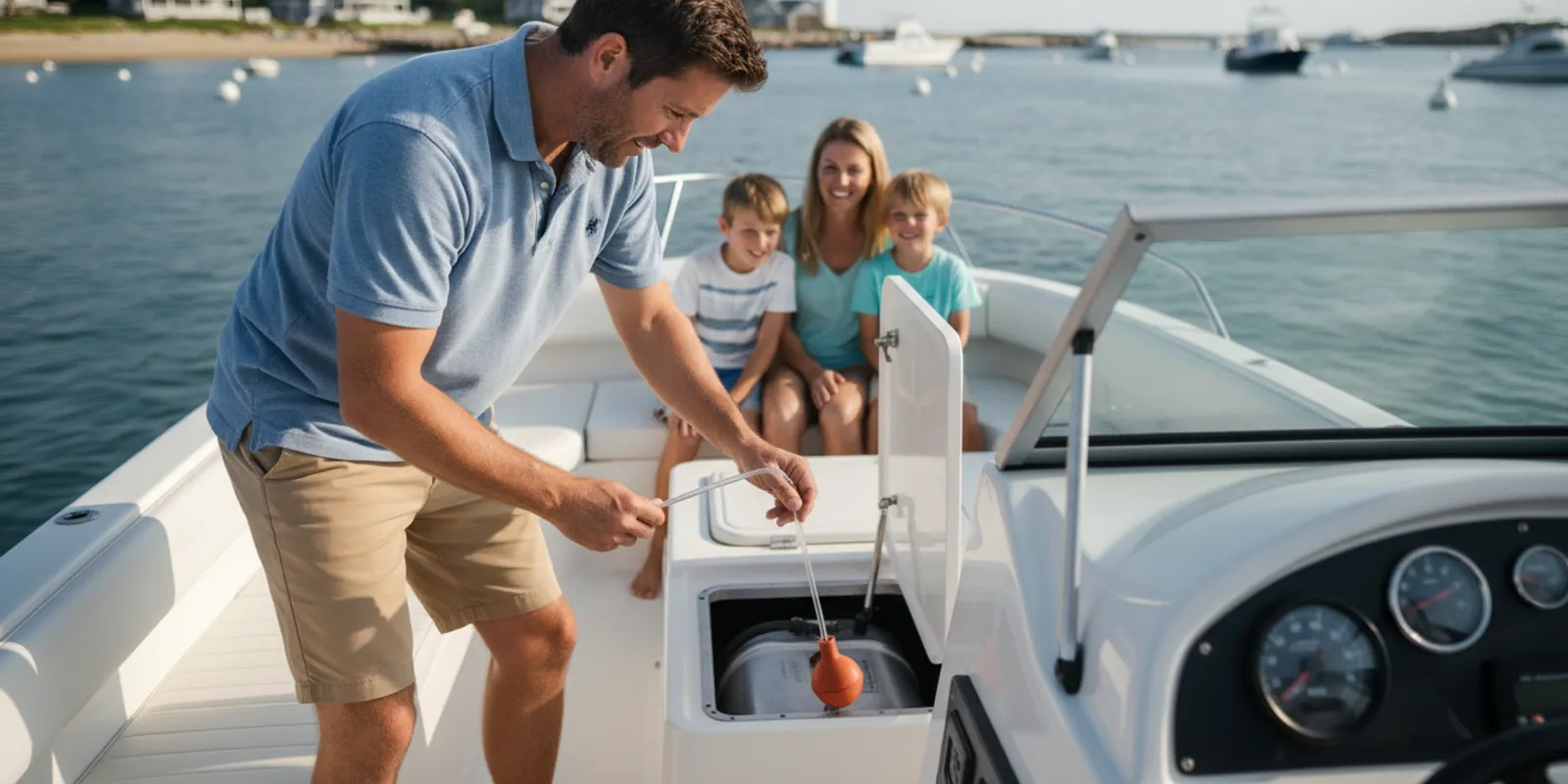
Boat fuel costs can be hard to predict if you have never tracked how much fuel your boat uses. The useful answer is not one statewide price or a single estimate: your total depends on the boat, engine, speed, route, conditions, and time underway. A simple calculation can turn those variables into a more dependable trip budget.
Schedule a conversation about boating membership
How Do You Estimate Boat Fuel Costs?
Start with a basic formula:
Estimated fuel cost = gallons used × price per gallon
The challenge is estimating gallons used. If you know a boat’s approximate fuel consumption in gallons per hour, use this version:
Gallons per hour × hours underway × price per gallon = estimated fuel cost
For a simple illustration, suppose a boat uses 4 gallons per hour, runs for 3 hours, and fuel costs $5 per gallon. The estimate is 4 × 3 × $5, or $60. These are placeholder numbers to show the math, not a current Massachusetts fuel quote or a claim about what a particular boat will use.
If you have a reliable estimate of miles per gallon instead, divide the planned distance by that figure to estimate gallons. Multiply the result by the price per gallon. Use the method that matches the information you actually have; do not treat a rough estimate as a guarantee.
For better planning, write down your assumptions. Note which boat and engine you are using, how many hours or miles you expect to travel, and the price per gallon you are using. That makes it easier to adjust the estimate when the route, weather, or boat changes.
For example, a route that takes 18 miles each way is 36 miles round trip before detours. If a boat-specific estimate is 6 miles per gallon, the simple distance calculation gives 6 gallons. If the trip includes time maneuvering in a harbor or waiting with the engine running, add that expected use separately rather than pretending the straight-line mileage captures it. At an assumed $5 per gallon, the six-gallon estimate is $30 before any added allowance. The point is not that this is a typical trip; it is to make each part of the estimate visible.
Which Factors Change How Much Fuel a Boat Uses?
Fuel use is not fixed just because a boat is on the water for a certain number of hours. Several conditions can change consumption during the same outing:
- Boat and engine: Different hulls, engine types, engine sizes, and setups use fuel differently. A figure from one vessel is not automatically useful for another.
- Speed and throttle: A change in speed can have a meaningful effect on consumption. The most fuel-efficient speed depends on the boat and operating conditions, so consult the operator’s guidance rather than assuming that the slowest or fastest speed is always best.
- Load: Passengers, gear, coolers, and other weight affect how a boat performs. Carry what you need, but avoid bringing unnecessary weight.
- Weather and water: Wind, waves, current, and a choppy route can affect how much power is needed and how long a trip takes.
- Route and idling: Distance is only part of the picture. Detours, waiting, maneuvering, and time spent running the engine at low speed may add fuel use.
- Engine condition: Maintenance and operating condition matter. Follow the manufacturer’s recommendations and address performance changes with a qualified marine professional.
These variables explain why an online average may not fit your outing. A boat may use more fuel when carrying a full group or working into wind and waves than it does on a calm, lightly loaded trip. Plan from the best available information for the specific boat, then leave room for conditions to differ from your forecast.
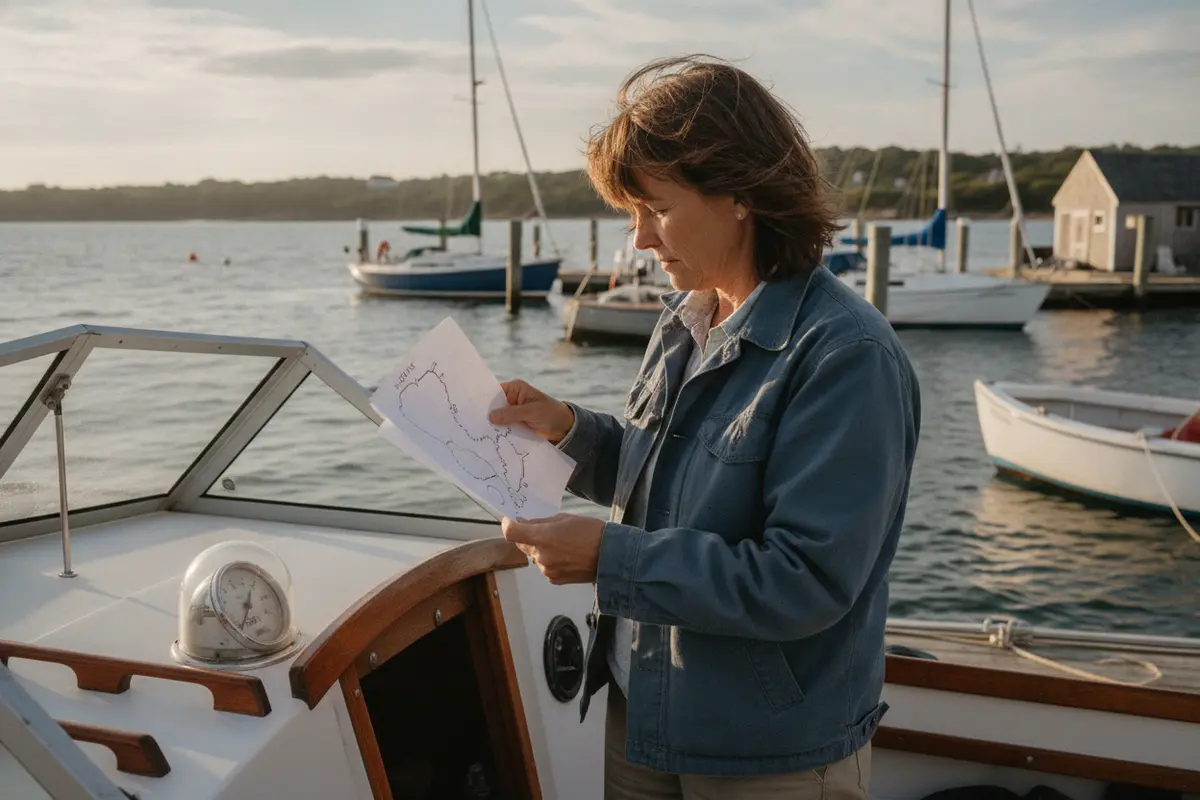
How Can You Build a Practical Fuel Budget?
A useful budget starts before departure, not at the fuel dock. Follow these steps to make your estimate clear and easy to update:
- Identify the boat. Use fuel-consumption information for the specific boat and engine when available. Check the operator’s manual, manufacturer guidance, or ask the person responsible for the vessel. Avoid borrowing a figure from a different model.
- Sketch the trip. List the departure point, destination, likely stops, and return route. Estimate total time underway or distance, and include maneuvering and any likely waiting time.
- Choose a conservative consumption estimate. If you have a range rather than one figure, calculate both ends. Use the higher estimate for the working budget, especially when weather or route conditions are uncertain.
- Use a current fuel price. Check a reliable local source close to departure. Prices vary by location and date, so an old number may not reflect what you will pay.
- Calculate the expected amount. Multiply estimated gallons by price per gallon. Keep the math visible so you can quickly revise it if your plan changes.
- Set aside a reserve. Do not plan to arrive back with only the exact amount of fuel your estimate predicts. Build in a margin for changes in weather, route, timing, or other unexpected needs, following the boat’s safety guidance.
For a short outing, the estimate might be based on engine hours. For a longer route with known fuel economy, distance may be easier to use. In either case, keep the expected-use figure separate from the reserve. That way, you can see what you expect to burn and what you are keeping available in case the trip changes.
When the information is uncertain, calculate a low and high estimate instead of pretending to know an exact number. For example, if your boat-specific information suggests a range of possible gallons per hour, multiply the lower rate by planned hours for the low estimate and the higher rate by those same hours for the high estimate. Apply the current price to each result. Use the higher total as the working budget, then consider whether the route or weather calls for an additional safety margin.
Here is a second illustration using placeholder figures. Suppose the estimate is between 3 and 5 gallons per hour and the plan includes 2.5 hours underway. The lower calculation is 7.5 gallons; the upper is 12.5 gallons. At a placeholder price of $5 per gallon, that is a range from $37.50 to $62.50 before a separate reserve. A range is more useful than a falsely precise figure because it makes uncertainty part of the plan. Replace the assumed rate and price with information for the boat and outing you are actually planning.
This range is a planning tool, not permission to stretch a trip beyond the boat’s safe operating limits. Confirm the boat’s fuel capacity, understand how to monitor fuel, and follow its operating guidance. A gauge reading alone may not tell you exactly how much usable fuel remains under every condition, so learn the specific vessel’s systems and keep the return plan conservative. If you are unfamiliar with that boat, ask the responsible operator how to check fuel and what reserve practices to follow before departure.
A simple pre-trip note can keep the numbers organized:
- Boat and engine information used for the estimate
- Planned route, time underway, and any stops
- Assumed fuel-use rate or miles-per-gallon figure
- Current per-gallon price and calculated expected cost
- Additional reserve and the conditions that might require a route change
Review the note with your passengers or whoever is responsible for the outing. If the route changes, the weather shifts, or timing runs long, revisit the plan rather than treating the original estimate as fixed. A small amount of preparation makes the cost easier to anticipate and helps keep fuel planning connected to safe decisions on the water.
North Shore routes can involve varied conditions, from protected harbor waters to more exposed stretches. Do not set a fuel plan from distance alone if the route could take longer in wind, waves, current, or congestion. A realistic estimate accounts for the time and conditions you may encounter, not just the straight-line distance between two points.
It can also help to separate your budget into three numbers: expected fuel use, the amount you are holding for uncertainty, and the total amount you are prepared to spend. If the forecast changes or the route becomes longer, compare the revised estimate with that total before deciding how to proceed. This makes the budget a decision aid, not just a number written down before departure.
What Should You Track to Improve Your Estimates?
After each trip, record the details that help you compare the estimate with actual use. You do not need a complicated spreadsheet. A short log can show patterns that are difficult to remember later.
| What to record | Why it helps | How to use it next time |
|---|---|---|
| Boat and engine | Consumption differs between vessels and setups. | Compare only trips using the same or a similar boat. |
| Hours underway or distance | This provides the basis for estimating fuel use. | Use the measure that best matches the boat’s available consumption information. |
| Route and stops | Detours and time maneuvering can add to the outing. | Adjust the next estimate if the planned route is longer or includes more stops. |
| Load and conditions | Passengers, gear, wind, waves, and current can affect performance. | Allow more margin when the next trip is likely to be more demanding. |
| Fuel added or used | Actual use helps show whether the estimate was close. | Update your estimate using comparable outings, not one unusual trip. |
| Price per gallon | The same fuel use can cost different amounts at different prices. | Refresh the price before building the next trip budget. |
Fuel records are most useful when they are consistent. If one trip includes a long idle period and another is a steady cruise, do not assume they are directly comparable. Note unusual conditions so you can tell whether a difference came from the boat, the route, the operation, or the price.
To make the log practical, record the estimate before departure and actual fuel information after the outing, using the same units each time. If you cannot tell exactly how much was burned, note what you do know, such as fuel added to return the tank to a familiar level, rather than implying a precision you do not have. After several comparable trips, look for a pattern instead of overreacting to one result. A single trip with rough water, extra stops, or a longer idle period may be an outlier; it does not automatically mean the next estimate should use the same higher figure.
If you regularly use different boats, keep separate notes for each boat rather than blending their numbers. A simple label for boat, route, and conditions makes your records much easier to apply. For instance, a calm harbor outing and a longer exposed route may have different planning assumptions even when the time underway is similar. The goal is not to build a perfect fuel model; it is to make your next estimate better grounded than a guess.
Can You Reduce Fuel Use Without Guesswork?
Good trip planning helps avoid unnecessary fuel use, but it should never come at the expense of safe operation. Consider these practical habits:
- Plan a sensible route. Review the route before leaving and avoid adding distance without a reason. Check local conditions and navigational information before departure.
- Operate at an appropriate speed. Follow the boat’s guidance and adjust to conditions. Avoid repeated acceleration and unnecessary high-speed running when the situation does not call for it.
- Keep the load reasonable. Bring the people and equipment you need, and stow items securely.
- Maintain the boat as directed. Follow the manufacturer’s service schedule and pay attention to changes in engine performance. Ask a qualified professional about issues rather than trying to diagnose them from a fuel estimate.
- Allow time for the trip. A rushed schedule can encourage poor decisions about speed or route. Give yourself flexibility to respond to weather and other conditions.
- Use dependable consumption data. A boat-specific figure or trip log is a better starting point than a broad online average.
North Carolina Sea Grant’s boating fuel guidance discusses using calculations to plan fuel use and save money. Its useful lesson for a budget is to work from the boat’s consumption and expected time underway, then check your assumptions against experience: read the fuel-planning guidance. Your boat’s manual and the conditions on your route should guide decisions about operation.
For a broader starting point on safe, confident operation, review boating basics and the club’s information about on-the-water training. Fuel efficiency is one piece of trip planning; knowing how to operate the boat and respond to changing conditions matters just as much.
Small choices are most useful when they are specific to the outing. Review the planned route before leaving, check whether a stop adds meaningful distance, and agree on a realistic departure time. Avoid trying to save fuel by making a safety-critical decision, such as continuing through conditions that call for a route change or delaying a return. If you are operating an unfamiliar boat, follow its instructions and ask the responsible person how its fuel systems work before departure.
How Does Fuel Budgeting Fit Into a Boat Club Membership?
Owning a boat and joining a boat club involve different ways of planning expenses. An owner may need to account for many categories of ownership over time. A prospective member should instead understand what the membership covers, what costs remain their responsibility, and how fuel use is handled. Do not assume that membership makes fuel free.
For Carefree Boat Club members, fuel used is replaced by the member. That means your trip plan still benefits from a realistic estimate, even when you are not maintaining and storing your own boat. Before joining, ask how fuel is handled for the specific membership and boat you are considering, and clarify any details that affect your outing.
The right decision depends on how you expect to use the water, how much planning you want to take on, and what you value in a boating arrangement. You can explore membership information, see the boats available in Massachusetts, and read about common membership questions. For local context, the Danvers, Boston, and Gloucester pages describe the club’s area options.
Carefree Boat Club is family-owned and operated. If you are weighing what an outing could cost or want to understand how fuel fits into membership, you can ask Karen or Eric directly rather than trying to infer the answer from a general estimate.
Before making a decision, consider the kind of outings you expect to take and which costs you want to handle yourself. Ask clear questions about fuel replacement, the boat you may use, the route you have in mind, and the process for getting ready to depart. A direct conversation can resolve details that a general calculator cannot, while the same basic gallons-times-price formula remains useful for estimating fuel used on a particular trip.
Ask about membership and fuel planning
What Do Boaters Ask About Boat Fuel Costs?
How much does it cost to fuel a boat for one day?
There is no single daily amount that fits every boat or trip. Estimate the fuel the boat is likely to use, multiply by a current price per gallon, and add a reasonable reserve. The boat, engine, route, speed, conditions, and time underway all affect the result.
How do I estimate gallons per hour?
Use information for the particular engine or boat from its operator’s manual, manufacturer, or a qualified marine professional. If you operate the same boat regularly, keep a trip log and compare fuel use across similar routes and conditions. Do not treat a figure from a different boat as an exact match.
Does a boat club membership include fuel?
For Carefree Boat Club, members replace the fuel they use. Ask the club directly about the details that apply to the membership and boat you are considering; do not assume fuel is included simply because boating access is part of a membership.
Should I budget fuel by distance or by hours?
Use whichever measure matches the best information available for the specific boat. If you know a reliable gallons-per-hour estimate, plan around time underway. If you have dependable fuel economy by distance, estimate gallons from the planned route. Include detours, maneuvering, and a reserve either way.
Are You Ready to Plan Your Boating Options?
A dependable boat fuel budget starts with boat-specific information, a realistic route, a current fuel price, and room for conditions to change. Track what you use, adjust future estimates from comparable outings, and ask direct questions about any membership costs or fuel responsibilities before you decide what fits your plans.
https://addlinks.pro/FKAw8
I have a question, can you contact me at jonasmarcantonio@m.spheremail.net ? Cheers!