
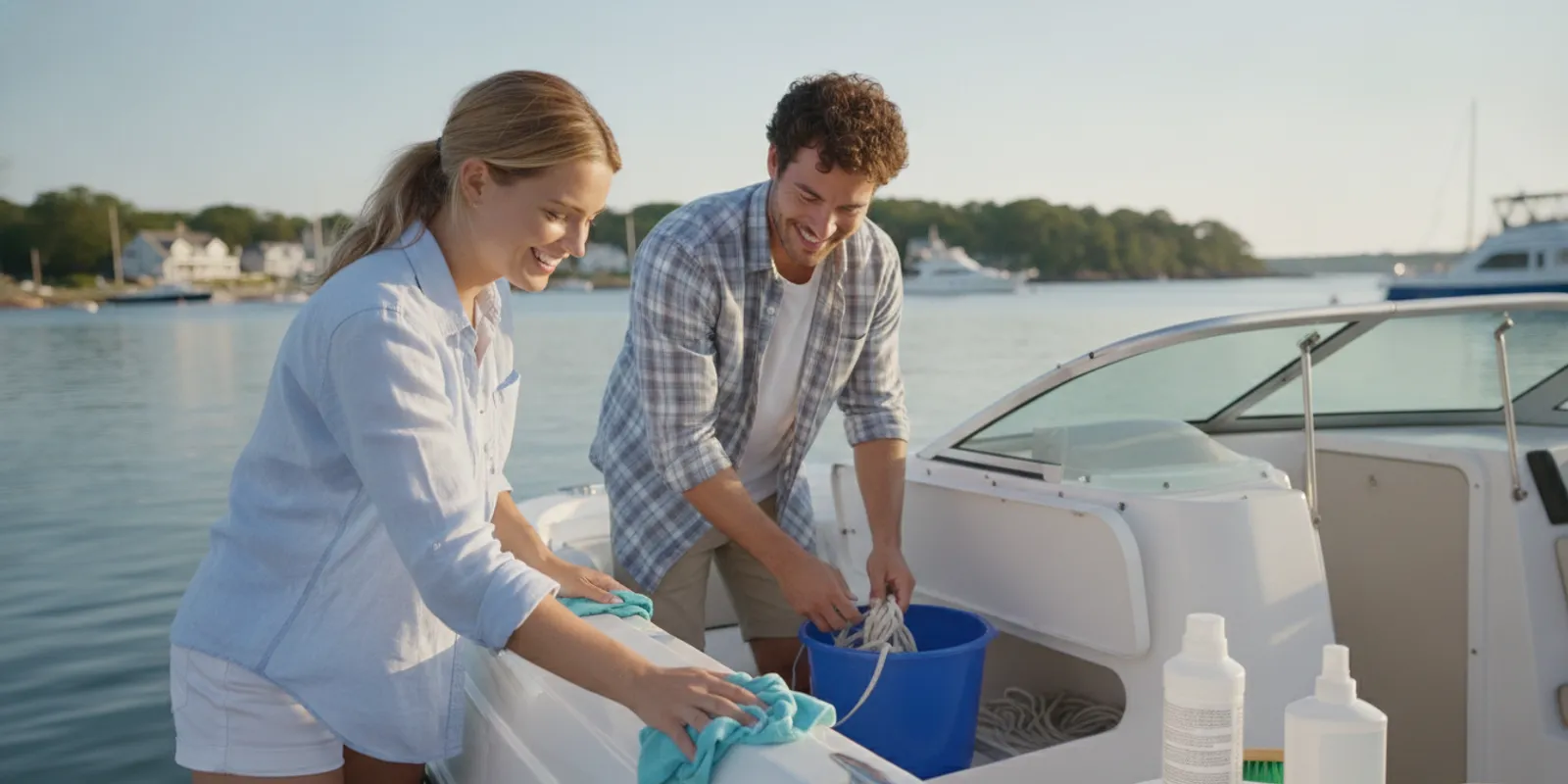
A useful boat cleaning checklist does not need to turn the end of every outing into a long chore. A quick rinse, a few targeted wipes, and a short check for anything left behind can keep a boat pleasant to use and help you notice small messes before they set. Use this guide for the immediate post-trip reset and a more thorough routine clean, then adjust it for the boat, its materials, and the day you had.
What Should You Do Right After a Boat Trip?
Start with loose items and visible debris while they are easy to remove. A practical reset can take only a few minutes when everyone helps and you work from the top surfaces down.
- Take personal items off the boat. Gather bags, food containers, towels, clothing, fishing gear, and anything else you brought aboard. Check seats, storage areas you used, and the spaces around the helm.
- Dispose of rubbish appropriately. Put food wrappers and other litter in a suitable bin on shore. Do not leave rubbish aboard or throw it into the water.
- Brush or wipe away loose debris. Remove sand, leaves, crumbs, and other loose material with a soft brush or cloth before applying water. This keeps grit from being dragged across surfaces.
- Rinse exterior surfaces with clean water where appropriate. Give exposed areas a fresh-water rinse, paying attention to places where spray, salt, or grime collected. Follow the boat’s instructions and marina practices.
- Wipe up spills and wet patches. Use an appropriate cloth on seats, tables, and other surfaces. Drying areas that hold water helps keep the next outing comfortable.
- Check the floor and walkways. Pick up dropped food, line, leaves, and other debris. Leave walking areas tidy and free of loose items.
- Leave spaces orderly. Return any items you moved to their proper place, close storage compartments as directed, and check that nothing personal remains behind.
The order matters: remove grit before wiping, and remove loose debris before rinsing. For a useful example of this kind of basic practice, California State Parks advises boaters to consider their cleaners and use a tarp or drip pan when handling products that could spill. Its boat cleaning and maintenance guidance is one reference for thinking carefully about products and preventing drips.
Which Boat Areas Belong on a Routine Cleaning Checklist?
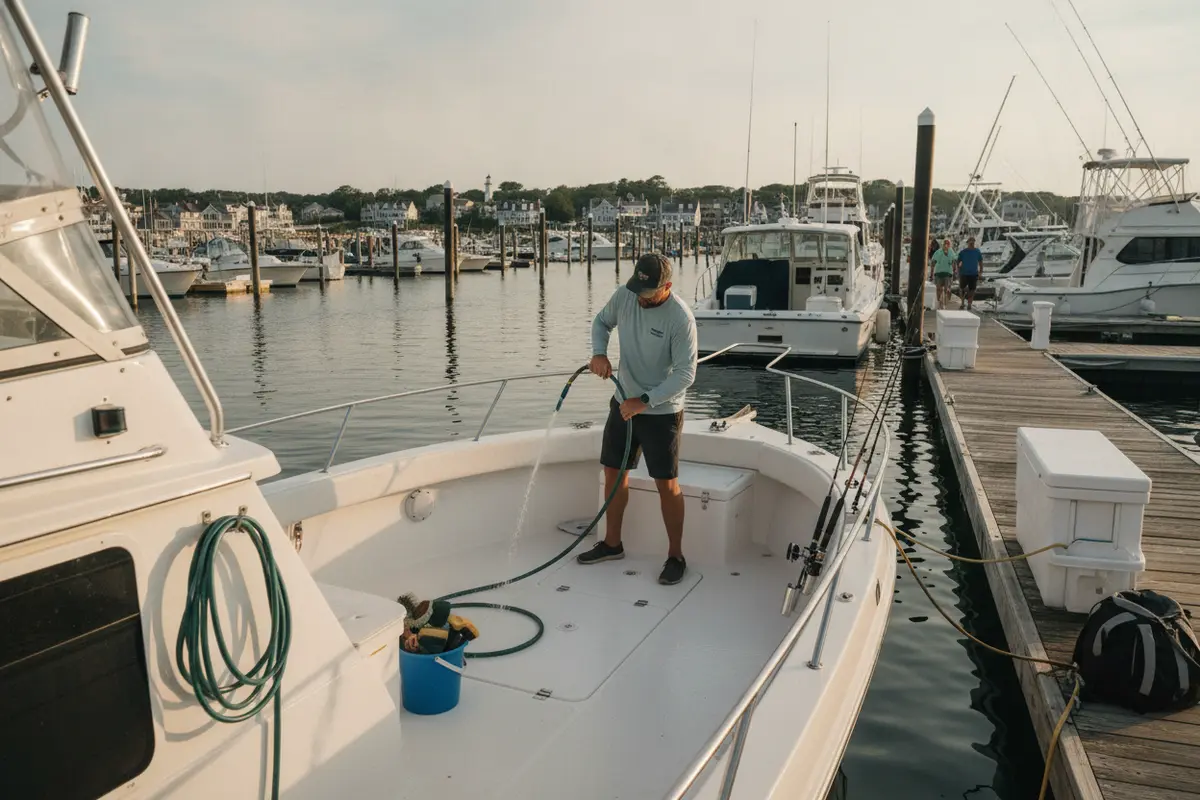
A quick reset after each outing is different from a more detailed clean. During routine care, work through one area at a time and use methods suited to that surface. If you are unsure what a material can tolerate, follow the boat or product manufacturer’s instructions instead of testing an aggressive cleaner.
- Decks and nonskid areas: Remove leaves, sand, and tracked-in dirt. Use a soft brush or cloth and a suitable cleaner. Rinse as directed, and avoid tools that could scratch or wear the surface.
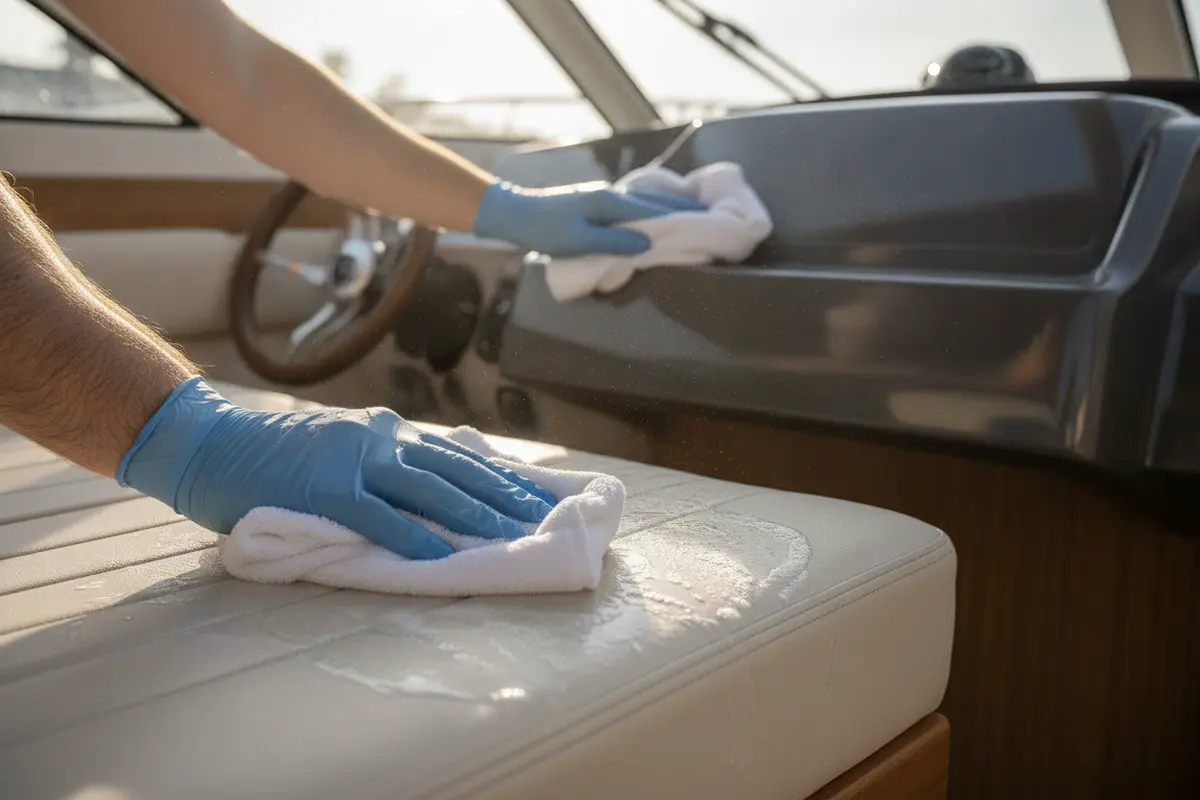
- Seats and upholstery: Brush off loose grit first. Wipe with a cloth and a cleaner approved for that upholstery. Clean small sections so you can remove residue before it dries.
- Console and controls: Use a lightly damp cloth on exterior surfaces, taking care not to spray liquid into switches, electronics, or openings. Never assume a device is waterproof because it is used on a boat.
- Windows and clear panels: Remove grit gently before wiping. Use a compatible soft cloth and the manufacturer’s recommended product; unsuitable chemicals or rough material may scratch or cloud some plastics.
- Tables, rails, and touchpoints: Wipe down areas used during the outing. Choose a cleaner appropriate to the material and avoid leaving slippery residue on walking or hand-hold surfaces.
- Storage and cup holders: Empty crumbs, wrappers, and standing water where applicable. Let cleaned areas dry as directed before closing them.
- Interior spaces: Remove rubbish, wipe hard surfaces, and check for food or moisture in corners. Keep cleaning products away from items that should remain dry or protected.
When the boat has an onboard head, keep that space clean according to the instructions provided for the boat and its equipment. Do not put wipes, paper towels, or other unsuitable materials into a marine toilet. If you are unsure what is permitted, ask the responsible boat or marina staff rather than guessing.
Before you begin a longer cleaning session, make a quick plan. Check any posted care directions, gather only the cloths and products you need, and identify surfaces that should stay dry. Start at the highest area you plan to clean and move downward, so loosened dust or rinse water does not land on a section you have just finished. If you are cleaning several materials, group the work by product and tool: for example, finish the approved upholstery wipe-down before switching to a deck brush. Keep used cloths separate from clean ones, and pause to replace a cloth when it is gritty. A simple setup prevents repeated trips for supplies and reduces the chance of carrying residue from one surface to another.
How Do You Choose a Cleaner Without Damaging a Surface?
There is no single cleaner that is right for every part of a boat. Upholstery, clear panels, painted areas, nonskid decks, and electronics may each need different handling. Read labels, use only products suited to the surface, and follow instructions for dilution, application, contact time, and rinsing.
Use the mildest approach that gets the job done. A cloth and water may be enough for light dirt. If a stronger product is needed, test it only as the product maker directs and keep it away from nearby materials that it could harm. Do not mix cleaning products. Mixing chemicals can create dangerous reactions, and it can also damage surfaces.
Think about where runoff will go before you wash. Keep products contained, avoid spilling concentrated cleaners, and do not wash substances directly into the water. The New York Sea Grant’s boat maintenance guidance recommends minimizing soaps and solvents when possible, beginning with a cloth and water, and using other products only when needed. That is a sensible starting point for ordinary grime; follow product and boat instructions for more stubborn cleaning tasks.
Use enough water to rinse as directed, but avoid creating unnecessary runoff. Keep a towel or catchment material available when working with a product that could drip, and dispose of used materials according to their labels and local rules. Do not pour leftover cleaner into a storm drain, marina, or waterway.
When choosing between two products, compare their labels against the material you intend to clean rather than relying on a general claim such as “multi-surface.” Check whether the label names that material, whether it requires dilution, and whether rinsing is needed. If a product is not clearly suitable for a surface, set it aside and look for the boat maker’s instructions or ask the responsible staff. Keep the label available while you work so you can check directions instead of guessing from memory. Put containers away after use, with lids closed, and do not leave cleaning tools where they could become a trip hazard.
How Can You Clean Common Messes Safely?
Different messes call for different first steps. The table below is a planning aid, not a substitute for the surface manufacturer’s instructions or the cleaner label.
| Mess or area | First step | Next step | Watch for |
|---|---|---|---|
| Sand or dry grit | Brush or lift it away gently | Wipe or rinse the surface as appropriate | Rubbing grit across upholstery or clear panels |
| Light dirt on a deck | Remove loose debris | Use water and a suitable soft brush or cloth | Harsh brushes and slippery residue |
| Food or drink spill | Blot or lift the spill promptly | Clean with a surface-compatible product, then rinse or wipe as directed | Allowing residue to dry or using an incompatible product |
| Salt or spray residue | Rinse with clean water where appropriate | Wipe dry with a suitable cloth | Leaving residue on fittings or surfaces |
| Smudge on a clear panel | Remove dust and grit without rubbing | Use a compatible cloth and approved cleaner | Paper products, abrasive pads, or unapproved chemicals |
| Unknown stain or residue | Identify the surface and substance if possible | Check the boat and product guidance before treating it | Scrubbing hard or applying several products at once |
For a spill, first lift away any solids without spreading them, then blot liquid rather than rubbing it outward. Work from the edge toward the center with a clean portion of cloth, if that method suits the surface. Afterward, follow the cleaner directions and inspect the area in good light. A sticky patch may need another gentle pass, but do not layer products on top of one another. If the spill has reached a seam or cushion, check the care guidance for that material before soaking it.
If a mark does not lift with gentle, suitable cleaning, stop rather than escalating to a scourer or unverified solvent. Note where it is and ask the appropriate boat-care contact for guidance. That protects the finish and avoids turning a small spot into a larger repair.
What Should You Do Differently After a Messy or Salt-Spray Day?
Some outings leave more behind than others. After choppy water, a meal aboard, fishing, or a sandy beach stop, take an extra minute to look for debris in seams and corners. Remove loose sand before wiping seats. Pick up scraps and bait-related waste, and dispose of it responsibly on shore. Rinse areas exposed to salt spray when that is suitable for the boat, then wipe surfaces that need to be left dry.
Pay attention to walking surfaces. A spill, fish residue, or cleaner film can make a deck unpleasant or slippery. Clean the area with the appropriate product and remove residue as directed before the boat is used again. If a surface remains slick or an unfamiliar substance is present, tell the responsible staff and do not assume it is ready.
When washing or cleaning equipment connected with aquatic environments, avoid moving plant material, mud, or other debris from one location to another. The Wisconsin Department of Natural Resources’ boat, gear, and equipment best-management-practices document discusses cleaning and rinsing equipment. Check local requirements and instructions for the specific equipment and location you use.
Use the day’s conditions to decide where to spend your extra time. After a sandy stop, inspect seat seams, footwells, and places where shoes tracked grit. After lunch aboard, check under the table and around cup holders for crumbs or drips. After spray reaches the boat, look over exposed fittings and surfaces, then rinse only where the vessel’s care directions permit. These small, targeted checks are more useful than repeating the same full wipe-down everywhere. If you notice damage, a loose fitting, or a substance you cannot identify, record the location and report it rather than treating it as an ordinary stain.
How Often Should You Follow This Boat Cleaning Checklist?
Use the short reset after every outing, then schedule a more thorough clean based on use and visible condition. A boat used for several outings in a week may need attention sooner than one used occasionally. Weather, salt spray, food, sand, and the number of passengers all affect how quickly surfaces need cleaning.
| Timing | What to cover | Purpose |
|---|---|---|
| After each outing | Remove personal items and rubbish, brush away grit, address spills, tidy walkways, and rinse appropriate exterior surfaces | Leave the boat orderly and prevent mess from setting |
| During regular use | Clean seats, decks, touchpoints, storage areas, windows, and interior spaces as needed | Keep frequently used surfaces comfortable and presentable |
| After a particularly messy trip | Give extra attention to sand, food, salt spray, and any slippery or sticky areas | Deal with residue before the next outing |
| When you notice a problem | Pause and identify the surface and residue; ask for instructions if uncertain | Avoid worsening a stain or damaging a finish |
These are practical intervals, not a substitute for a care schedule set by the boat’s owner or manufacturer. Use any posted instructions for the specific vessel. If you are a member, follow the club’s directions for what members should clean and what should be reported to staff.
A repeatable weekly check can help you notice what the after-trip reset misses. Choose a calm moment to inspect less-used corners, storage spaces, and clear panels; look for residue that has dried or items that were left behind. Do not turn that check into a repair session. If you see wear, a persistent odor, a stain that needs a special treatment, or anything that appears damaged, note the area and pass it to the person responsible for the boat. A short written note can be more useful than trying a product without approval. Adjust the interval when the boat is used more often or when conditions leave extra dirt behind, and use posted care directions as the final guide.
What Cleaning Mistakes Should You Avoid?
- Using one product everywhere. A cleaner that works on one surface may harm another. Check the label and the boat’s instructions.
- Scrubbing before removing grit. Sand and debris can act like abrasives. Lift them away before wiping.
- Using abrasive pads or stiff tools without approval. These can scratch or wear finishes and clear panels.
- Spraying electronics or openings directly. Apply cleaning methods cautiously and keep moisture away from sensitive parts.
- Mixing products. Use one product at a time and follow its label. Never improvise a chemical mixture.
- Leaving residue behind. Follow rinse instructions and keep walking surfaces free of slippery film.
- Ignoring drips and runoff. Contain products where practical and do not release cleaners into the water.
- Closing damp spaces without checking instructions. Allow surfaces to dry as appropriate and follow guidance for the vessel.
How Can You Make Cleanup Easier for Everyone Aboard?
A simple division of tasks makes the post-trip reset feel manageable. One person can gather personal items and rubbish while another checks seats and walkways. A third person can handle the rinse or wipe-down if that is allowed and suitable for the boat. Keep the routine consistent so no one has to guess what is expected.
Keep a small, appropriate kit together rather than carrying a jumble of products. Depending on the boat’s instructions, that might mean soft cloths, a soft brush, and only the approved cleaning solution. Store the kit safely. Do not leave chemicals where children can reach them, and never transfer them to an unlabeled container.
Make a quick final pass before leaving: Are personal belongings gone? Is rubbish removed? Are walkways tidy? Did you notice a spill, damage, or an unfamiliar stain that needs to be reported? A minute spent on this check can prevent confusion about whether something was left behind or needs attention.
For a group, make responsibilities clear before anyone starts. One person can check personal gear and the storage areas the group used; another can gather rubbish and inspect the floor; someone familiar with the boat can handle approved cleaning and report anything that should not be treated. If children are aboard, give them a simple task such as collecting their own belongings, while an adult handles products and equipment. Use a final verbal check so everyone knows whether a spill was cleaned or reported. This is particularly helpful when a shared boat is being handed back: leave it tidy, but do not attempt unfamiliar repairs or deep cleaning unless the instructions call for it.
Could a Boat Club Make Routine Boat Care Simpler?
For someone deciding how to spend more time on the water, cleaning is one part of the ownership picture. Owning a boat means taking responsibility for its care and coordinating the supplies, storage, and upkeep that go with that responsibility. A membership model can shift some vessel-care tasks to the club, though the exact member responsibilities depend on the club and its rules.
At Carefree Boat Club, membership provides boating access. Prospective members can review the Massachusetts boat club membership information and ask what is included and what members are expected to do. The frequently asked questions page is another place to start with practical questions. For details on the boats available, see the Massachusetts fleet overview.
People who are newer to boating can also explore Boating 101 and the on-the-water training information. If a local port matters to your plans, you can review the pages for Boston, Danvers, and Gloucester. Each is a starting point for learning about the Massachusetts club and asking questions that fit your own boating plans.
Ask about membership and schedule a tour
What Should You Remember About a Boat Cleaning Checklist?
Keep the routine simple: clear loose debris, remove personal items and rubbish, address spills, rinse appropriate surfaces, and use only cleaners suited to the material. For a deeper clean, work area by area, follow the boat’s instructions, and ask before treating anything unfamiliar. A few careful steps after each outing can leave the boat more comfortable for the next time on the water.