
Best Fishing Boat for Massachusetts: How to Choose the Right Setup
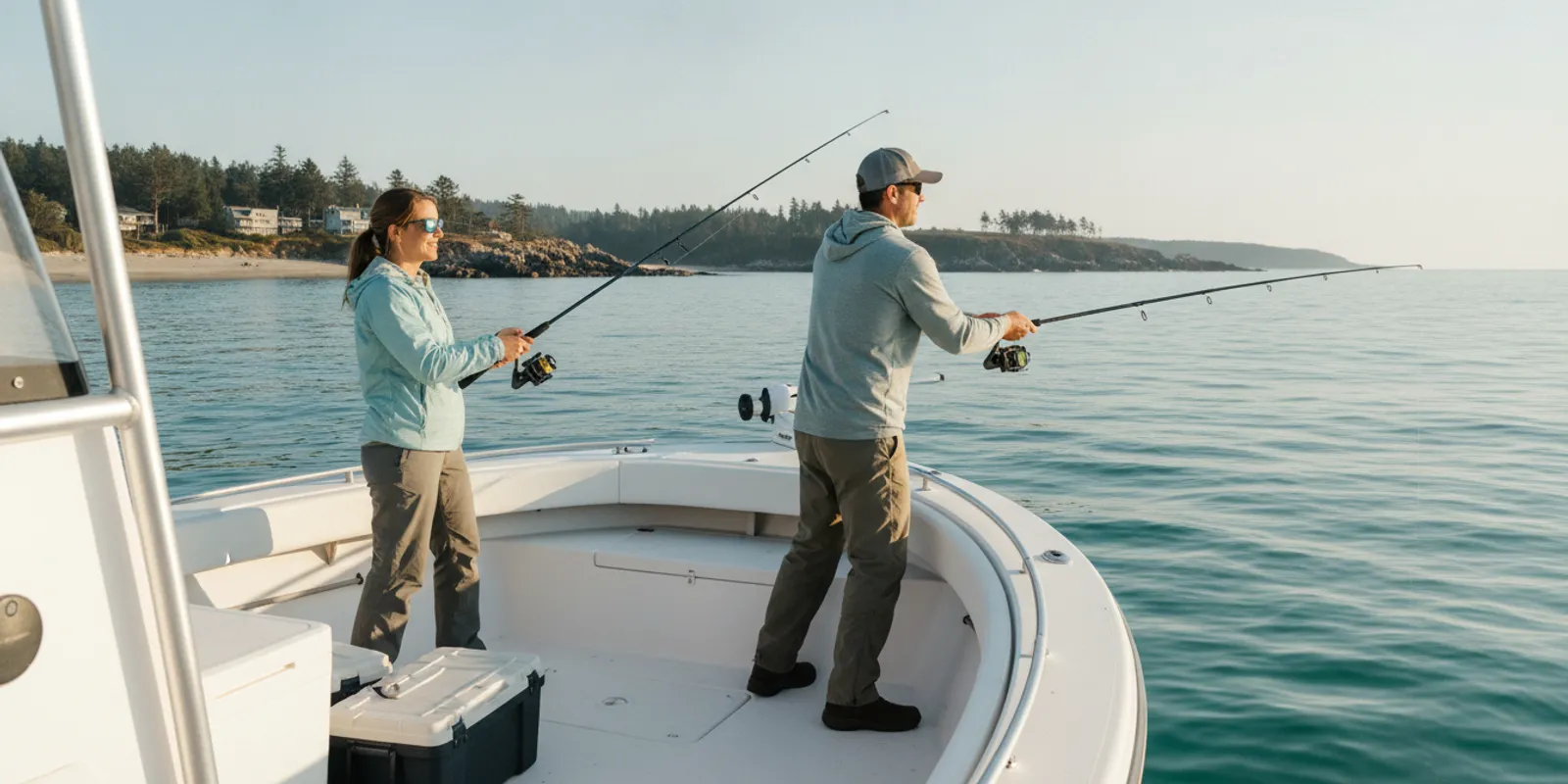
The best fishing boat for Massachusetts depends on where you fish, how exposed the water is, and what you need to bring aboard. A compact open boat may work well for sheltered harbor trips, while a more protected layout can make longer days on the coast more comfortable. Start with your usual fishing conditions, not a boat’s appearance or a long list of features.
Schedule a Carefree Boat Club tour
What makes the best fishing boat for Massachusetts?
Massachusetts boating can mean fishing in protected waters, working around a harbor, or heading into more exposed coastal conditions. Those are different demands. A boat that is easy to move around in on a calm day may feel less comfortable when wind and chop build. A larger, more protected boat may be reassuring offshore but cumbersome for a quick trip in a small, crowded harbor.
Think of “best” as the match between boat, angler, and trip. Consider these questions first:
- Where will you fish most? Identify whether your regular outings stay inside protected water or require a more open coastal route.
- How many people usually come? Plan for the typical group, plus room to cast, move, and handle gear without crowding.
- What fishing do you do? Trolling, casting, and bait fishing can call for different deck space and equipment placement.
- How long are your outings? A quick morning trip has different comfort and storage needs from a full day aboard.
- Who will operate and board the boat? Think about experience, mobility, and how easily everyone can get on and off.
Write down your answers before comparing layouts. They make it easier to separate useful features from extras you may rarely use.
Which waters will you fish, and how exposed are they?
Conditions matter as much as the fishing method. Protected water can still change with wind, wakes, current, and traffic. Coastal routes can bring more exposure and a longer run back to shelter. A boat’s size alone does not tell you whether a particular outing is suitable; the design, loading, operator’s judgment, and actual conditions all matter.
For regular harbor and nearshore use, many anglers value a manageable hull, a clear working deck, and enough protection to stay comfortable when spray or breeze picks up. A Boston Harbor outing, for example, may reward a layout that balances casting space with easy movement around traffic, wakes, and changing wind. Around Gloucester and Cape Ann, anglers planning more exposed coastal runs may place greater emphasis on weather protection, dependable equipment, and a comfortable ride back when conditions change. In the cooler spring and fall shoulder seasons, protection from wind and spray can matter more to the crew than an extra open-deck feature. For trips farther from shelter, the priority shifts toward a suitable hull and equipment, dependable communication and navigation gear, and a realistic plan for conditions. Match the boat to the trips you intend to make, and do not treat a general boat category as a guarantee that it is appropriate for every day or route.
Before leaving, review current marine forecasts and local restrictions, and make a conservative decision if conditions are beyond your experience or the boat’s intended use. NOAA’s fishing and boating information from the Office of National Marine Sanctuaries is one government resource for recreational users to consult when planning activities in sanctuary areas. It is not a substitute for checking rules and conditions for the specific waters you plan to visit.
How do common fishing-boat layouts compare?
Layout shapes how people move, how much weather reaches them, and how easily the boat serves more than one purpose. Use this table as a starting point, not a ranking. Within each category, models and equipment vary.
| Layout | Often suits | Potential strengths | Trade-offs to consider |
|---|---|---|---|
| Center console | Active casting, trolling, and flexible fishing trips | Open deck; movement around the console; fishing gear can be arranged around the perimeter | Less built-in shelter; open layout may expose passengers to sun, spray, and wind |
| Dual console | Fishing mixed with family or general boating | Passenger seating and some wind protection, with usable fishing space | Walkways and seating can reduce open deck area; inspect access to working zones |
| Walkaround or pilothouse-style layout | Anglers who value more shelter and a defined cabin area | More protection from weather; may offer useful storage and a place to get out of the elements | Cabin structure can constrain movement; size and handling may not suit every harbor or crew |
| Pontoon with fishing features | Relaxed fishing with a group on sheltered water | Social seating and room for passengers; some configurations include fishing-oriented features | Not every pontoon is set up for fishing; consider exposure, handling, and intended waters carefully |
A comparison on paper only goes so far. If possible, look at a boat from the perspective of an angler actually using it. Walk through where rods sit, where tackle goes, where people stand to cast, and how someone moves past another person without crossing a line. A layout that photographs well can feel tight once the crew, bags, and equipment are aboard.
Is a center console the right choice for your fishing?
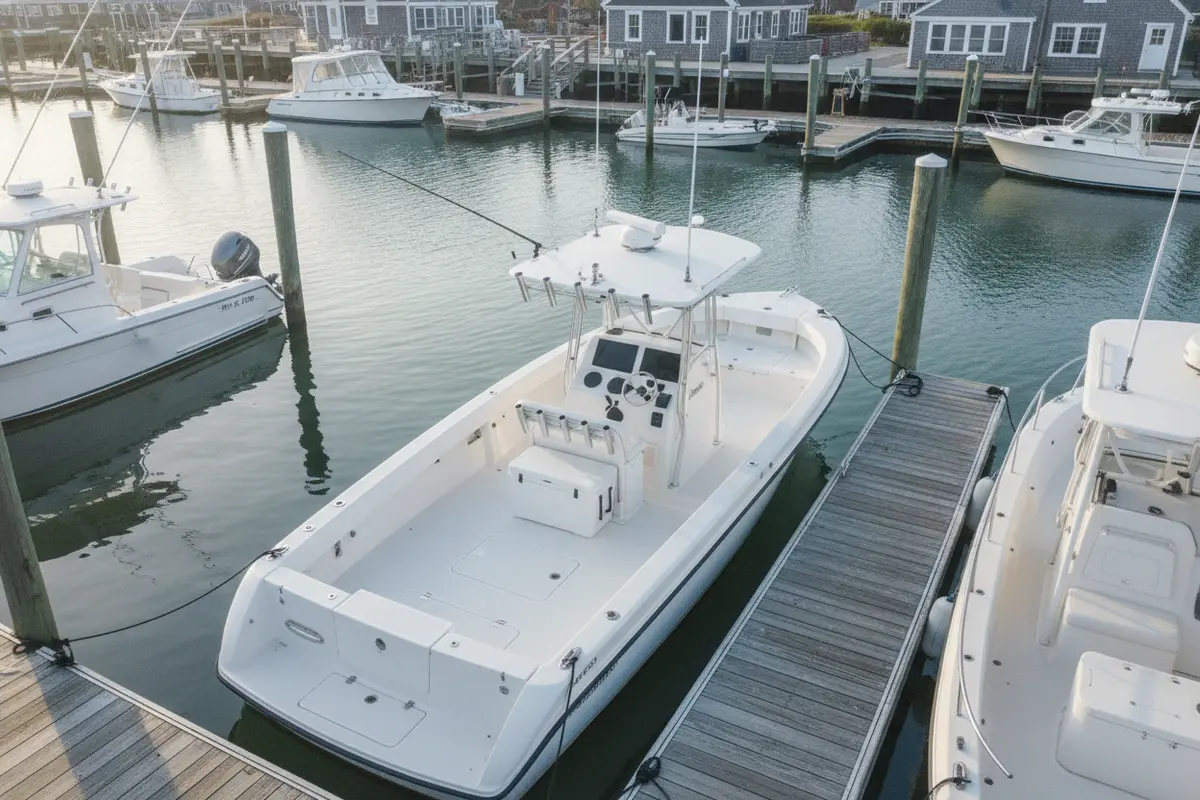
A center console is a familiar fishing layout because the helm sits near the middle and the deck remains open around it. That can make it easier for anglers to move around the boat while casting or handling a fish. Rod holders and storage can be placed around the deck, depending on the specific boat.
The same open design has trade-offs. It may offer less built-in shelter than a boat with a windshield, hardtop, or enclosed helm. Passengers can be more exposed to sun, wind, and spray. Consider shade, seating, safe movement, and where gear can be secured rather than assuming every center console has the same equipment.
For a group that mainly fishes and wants a flexible deck, this may be a sensible category to investigate. For a family mixing fishing with relaxed cruising, compare it with a dual console or another layout that gives passengers more protection and seating. The best choice depends on how often those different uses happen, not just which activity sounds most exciting.
When does a more protected layout make sense?
A windshield, hardtop, or pilothouse can make a boat more comfortable in changing weather. It can also provide a place to store some equipment out of the way. That protection can be valuable for longer outings, early starts, or crews who are less comfortable sitting in wind and spray.
Protection is not free of compromises. More structure can mean less open space to cast or move around. A cabin or enclosed helm may make certain tasks less convenient, and the boat may need more room to maneuver or dock. Inspect the specific arrangement: Can the crew reach the fishing areas? Is there room to handle rods? Can passengers sit without blocking access?
Do not select a more enclosed boat solely because it looks ready for rough conditions. No layout removes the need to make sound decisions about weather, route, operator skill, and the boat’s intended use. Comfort and capability are related, but they are not interchangeable.
How should you match deck space and storage to your gear?
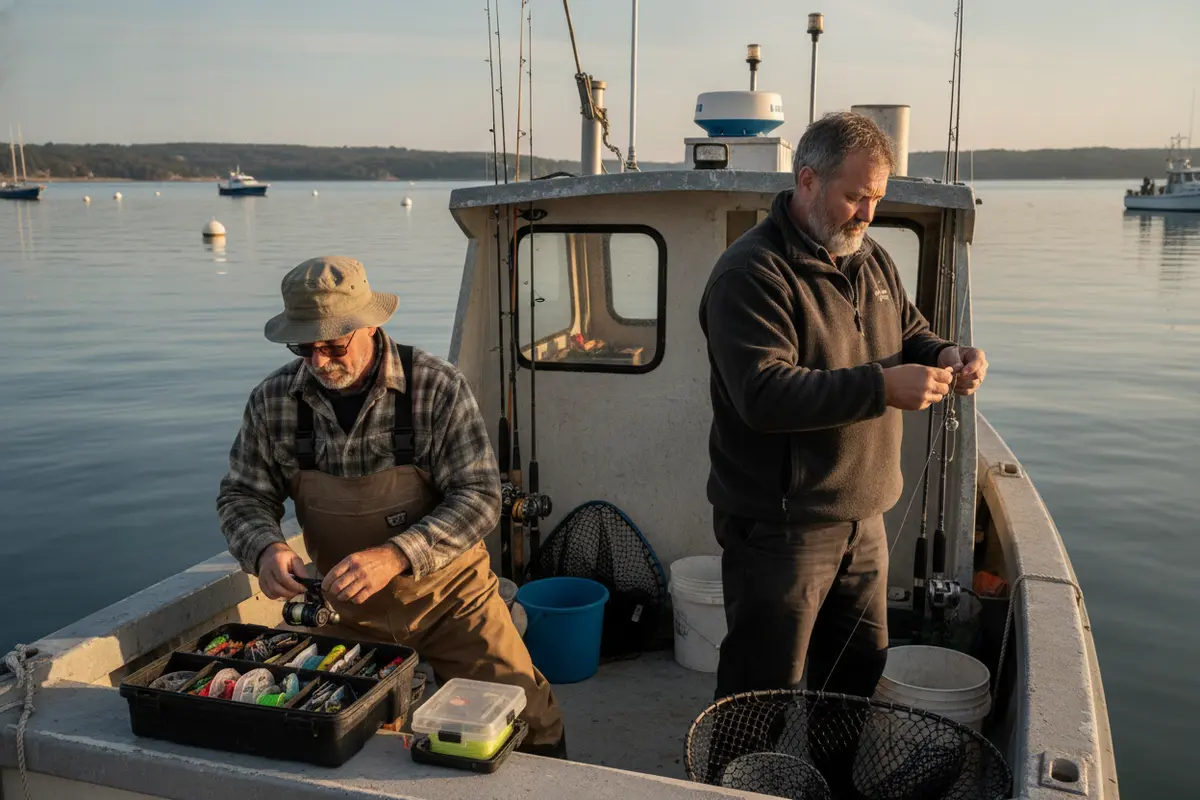
Fishing equipment expands quickly. Rods, tackle, bait, coolers, personal items, and safety equipment all compete for space. Make a realistic list of what you bring for a normal trip. Then think about where each item will go before, during, and after fishing.
- Rods: Check whether holders are placed where rods will not interfere with casting, seating, or boarding.
- Tackle: Look for accessible storage that keeps small items organized and out of walkways.
- Cooler and catch: Identify a stable spot that does not block movement or take over the main fishing area.
- Personal gear: Account for bags, layers, water, and items passengers need to reach during the outing.
- Safety equipment: Confirm that required and appropriate gear is aboard and accessible, rather than buried under fishing supplies.
Capacity is about more than the number of seats. A boat can have adequate passenger capacity on paper and still feel cramped when everyone is actively fishing. Consider the number of people who will actually cast at once, where they will stand, and whether the crew can move safely when lines are out.
What should you inspect before settling on a boat?
Use a repeatable checklist when you view a boat or compare options. Do not focus only on horsepower, electronics, or cosmetic details. The basic layout and condition need to suit the way you plan to use the boat.
- Walk the deck. Trace a route from the helm to the bow and stern. Notice pinch points, raised edges, and places where anglers might cross lines.
- Check boarding and seating. Picture how each passenger gets aboard, finds a seat, and moves to the fishing area.
- Review storage. Ask where rods, tackle, a cooler, and personal gear fit. Avoid relying on loose items in walkways.
- Look at weather protection. Identify shade, windshield coverage, and exposure at the helm and passenger seats.
- Consider the whole operating picture. Match the boat’s intended waters and handling demands to the operator’s experience and the crew’s comfort.
- Ask about maintenance and ownership responsibilities. Understand what upkeep, storage, insurance, and preparation the owner will handle.
- Think through the return trip. A boat should work for getting back, securing gear, and docking, not only for the moment the fish bite.
If you are buying, arrange an appropriate inspection and sea trial rather than relying on a brochure or a brief dockside look. If you are comparing access models instead of purchasing, ask what training, orientation, booking process, and boat options are available. The answers affect whether the experience will fit your routine as much as the hull does.
Should you own a fishing boat or consider membership access?
Choosing the right fishing layout does not automatically mean buying a boat. Ownership can make sense for someone who wants a particular setup, fishes often enough to justify it, and is comfortable handling ongoing care. It also means taking responsibility for maintenance, storage, preparation, and the practical work around each outing.
A boat club membership is a different model. Instead of managing a personally owned boat, a member uses boats through the club’s membership arrangement. That can be worth exploring if you value boating access but do not want every ownership task. Compare what is included, how reservations work, which boat types are available, what instruction is offered, and whether access fits your planned use. Do not assume every membership offers the same vessels or terms.
Carefree Boat Club serves Massachusetts members from Boston, Danvers, and Gloucester. Members can also access Carefree boats at 150+ participating club locations nationwide, subject to each location’s availability and policies. This membership model may be relevant to anglers who want to spend time on the water without taking on boat ownership. You can review the Massachusetts membership information and see the available boat fleet before asking questions about a particular fishing plan. The best fit depends on the specific boat options, current availability, and how you intend to use them.
For anglers new to boating, instruction and local familiarity matter, too. Review the club’s on-the-water training information and its Boating 101 resources. These pages can help you prepare questions about learning the basics and becoming comfortable at the helm. No article can replace instruction suited to your experience and the conditions of a particular trip.
How can you narrow your options to a short list?
Once you know your main fishing environment and typical crew, compare two or three layouts rather than every boat on the market. Use the following steps:
- Choose your primary water type. Be specific about protected harbor trips versus more exposed coastal use.
- Set your normal crew size. Do not shop around an occasional large gathering if most trips are with one or two people.
- Prioritize three must-haves. For example, open casting room, passenger shelter, and accessible storage.
- Name your compromises. Decide what you can live without, such as a cabin, extra seating, or a highly specialized fishing setup.
- Evaluate the operating burden. Consider preparation and upkeep alongside time on the water.
- Ask practical questions. Request a walkthrough and discuss intended use, gear, training, and the limits of the specific boat.
For a Massachusetts family that fishes occasionally and values passenger comfort, a versatile protected layout may be a better match than a highly open fishing platform. An angler who spends most outings actively casting may value clear deck space more. Someone focused on sheltered-water outings with a group may prefer social seating, provided the specific boat is suited to the intended conditions. These are starting points, not rules. The crew and the actual boat matter.
For local context, explore the Gloucester boating information or the Boston boating information and compare it with your usual departure area. You can also browse the club photo gallery to see examples of boating settings. Photos do not confirm a boat’s specifications, so verify the layout and equipment directly.
What questions should you ask before an outing?
Whether you own, borrow, or access a boat through a membership, ask clear questions before planning around a particular fishing day:
- Is this boat intended for the type of water and outing I have in mind?
- What is the actual deck layout, and where will each person fish?
- What fishing equipment is aboard, and what should I bring?
- What training or orientation is available to someone with my experience?
- What conditions would make the planned route inappropriate?
- How do I check current operating procedures, local requirements, and availability?
For membership-specific details, use the club’s frequently asked questions and confirm anything that affects your plans directly. Membership arrangements and boat configurations can differ, so do not rely on an assumption based on another person’s experience.
Schedule a Carefree Boat Club tour to discuss Massachusetts boating membership options
What should Massachusetts anglers know about choosing a fishing boat?
What is the best all-around fishing boat for Massachusetts?
There is no single best boat for every Massachusetts angler. A center console can offer an open fishing deck, while a dual console or more protected layout may work better for mixed family use or extra shelter. Choose based on your regular waters, crew, gear, and comfort needs.
Is a center console suitable for coastal fishing?
A center console may be suitable for some coastal fishing, but the category alone does not determine whether a boat is right for a route or day. Consider the individual boat’s design and condition, its intended use, the operator’s experience, and current conditions. Make a conservative plan and do not go beyond your capabilities.
Is a pontoon a good fishing boat?
A pontoon with fishing-oriented features can suit relaxed fishing with a group in sheltered conditions. Configurations vary, and not every pontoon is arranged for active fishing. Review deck access, equipment, passenger movement, and intended waters before deciding.
Do I need to own a boat to fish from one?
No. Depending on your needs, you might fish from a personally owned boat, another permitted boating arrangement, or a boat club membership. Compare access, training, availability, and responsibilities before choosing. Ask what specific boats and terms apply.
How do you choose the right setup?
The best fishing boat for Massachusetts is the one that fits the water you actually fish, the people who come with you, and the gear you carry, without asking you to overlook its limitations. Compare layouts in person when possible, make comfort and safe movement part of the decision, and be realistic about weather and upkeep. If you are considering membership access instead of ownership, ask direct questions about training, boat options, and how a typical outing works before making a decision.