
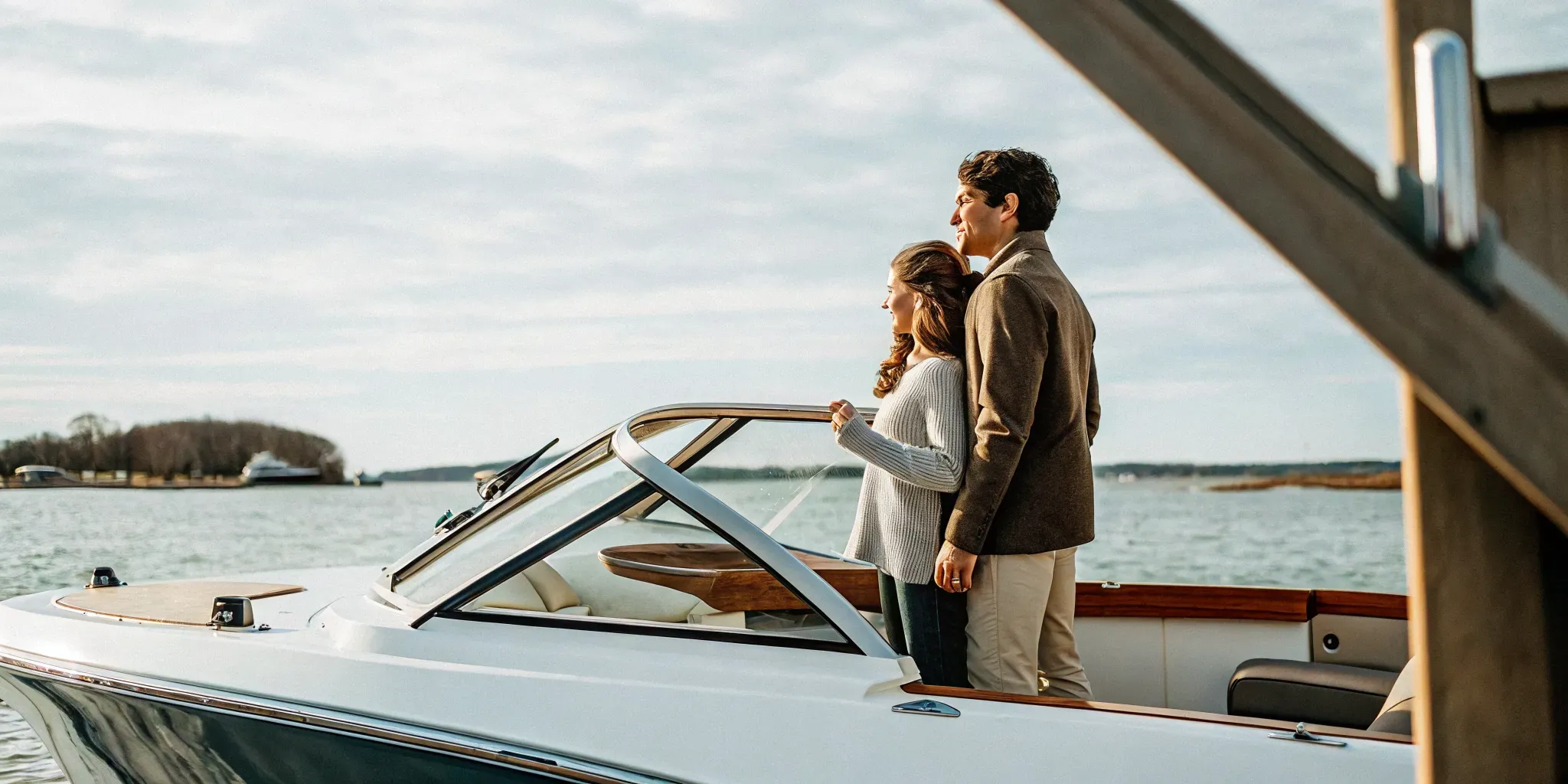
The annual cost of owning a boat is more than the payment or purchase price. In Massachusetts, an owner also needs to plan for where the boat lives, how it is maintained, insured, fueled, prepared for winter, and made ready again in spring. The total varies by boat, marina, usage, and service choices, but the important point is simple: the real annual cost is a full operating budget, not one line item. If you are weighing ownership against other ways to spend time on the water, start with this practical breakdown and our guide to the challenges of boat ownership.
Book a Carefree Boat Club tour to see how Boating Without Owning can fit your family, without taking on the everyday work of keeping a boat.
What Is the True Annual Cost of Owning a Boat?
The true annual cost of owning a boat is the combined cost of keeping it safe, usable, and accessible all year. It includes predictable bills, such as registration and storage, plus variable costs, such as fuel, repairs, and weather-related work. It also includes the time an owner spends arranging service, checking the boat, and solving problems when plans change.
A useful way to think about the budget is in three layers:
- Upfront commitment: the boat purchase, financing if applicable, safety equipment, and initial setup.
- Recurring ownership costs: a slip or other storage arrangement, insurance, registration, maintenance, cleaning, and seasonal preparation.
- Variable use and repair costs: fuel, unexpected mechanical work, replacement gear, towing, and marina services that arise as the season unfolds.
For Greater Boston boaters, the place where a boat is kept can quickly become one of the biggest decisions. Current local slip pricing is commonly quoted by length, around $150 to $250 per foot, before an owner considers other marina or seasonal services. A trailerable boat kept at home has a different cost profile than a boat kept in the water, but it also creates different demands on the owner’s time, vehicle, storage space, and launch routine.
Quick answer: Boat ownership is worth pricing as a year-round responsibility. Before buying, ask for written estimates for berth or storage, insurance, routine service, winter work, spring commissioning, fuel, and a repair reserve. Then add the time your household expects to spend managing those items.
Why Is the Purchase Price Only the Beginning?
A boat’s price is easy to see. The ownership system around it is less visible until after the purchase. A new owner may need a trailer, dock lines, life jackets, communication and navigation equipment, safety gear, cleaning supplies, and tools. The list changes with the boat and where it will be used, but the pattern is consistent: the first day of ownership starts a series of decisions that continue every season.
Financing can add another layer. A monthly payment is not the full cost of access to the water, because the boat must still be stored, serviced, insured, and prepared for use. Paying cash changes the financing line, but it does not eliminate the operating work. It can also be useful to consider the opportunity cost of money tied up in a boat that may sit unused during busy weeks, poor weather, or the off-season.
Families should also plan for the boat they actually expect to use, not only the boat that looks good on a showroom floor. A larger boat can bring more comfort and capability, but it can also change storage, service, fuel, and handling needs. Buying used may reduce the purchase price, while making a thorough survey and a repair reserve even more important.
That is why an apples-to-apples comparison begins with a full ownership worksheet instead of a headline purchase price. List every cost that follows the boat home, and update that list after speaking with local marinas and service providers.
Which Year-Round Expenses Should Boat Owners Budget For?
The following categories create a practical checklist for estimating the annual cost of owning a boat. Not every owner pays every line in the same way, but skipping a category can leave a budget incomplete.
| Cost category | What to confirm and why it matters |
|---|---|
| Slip, mooring, dry storage, or home storage | Confirm availability, length-based pricing, launch access, seasonal terms, and marina requirements. Where the boat lives affects both recurring cost and convenience. |
| Maintenance and repairs | Confirm service intervals, local labor availability, parts, and the condition of the engine and hull. Routine care prevents problems, while repairs are difficult to predict exactly. |
| Winterization and spring commissioning | Confirm what each service includes, timing, transport, shrink wrap if needed, and storage terms. New England’s seasonal cycle makes preparation and recommissioning essential. |
| Insurance and registration | Confirm coverage choices, deductible, navigation area, equipment requirements, and state paperwork. These protect the owner and help keep the boat legally ready for use. |
| Fuel and trip supplies | Confirm typical routes, engine use, fuel dock access, ice, food, and other day-on-the-water needs. These costs grow with use, which is good to remember when planning a busy season. |
One category often overlooked in a first budget is cleaning. Saltwater, changing weather, guests, and regular use all create work before and after a trip. Some owners enjoy that routine. Others prefer a boating model where the preparation and cleanup are handled for them.
How Do Fuel, Maintenance, and Winterization Change the Budget?
Fuel is the most visible usage expense because it shows up every time a boat leaves the dock. It depends on the boat, engine, load, sea conditions, speed, route, and how often the boat is used. Rather than relying on a general estimate, ask an owner of a similar boat about real local trips, then build in room for changing fuel prices and longer days on the water.
Maintenance is more than a single annual appointment. A boat may need engine service, hull care, battery attention, safety checks, fluid changes, trailer service, and replacement of worn items. A good maintenance plan keeps these needs from becoming a surprise, but it does not remove the need to schedule work and coordinate with a service provider.
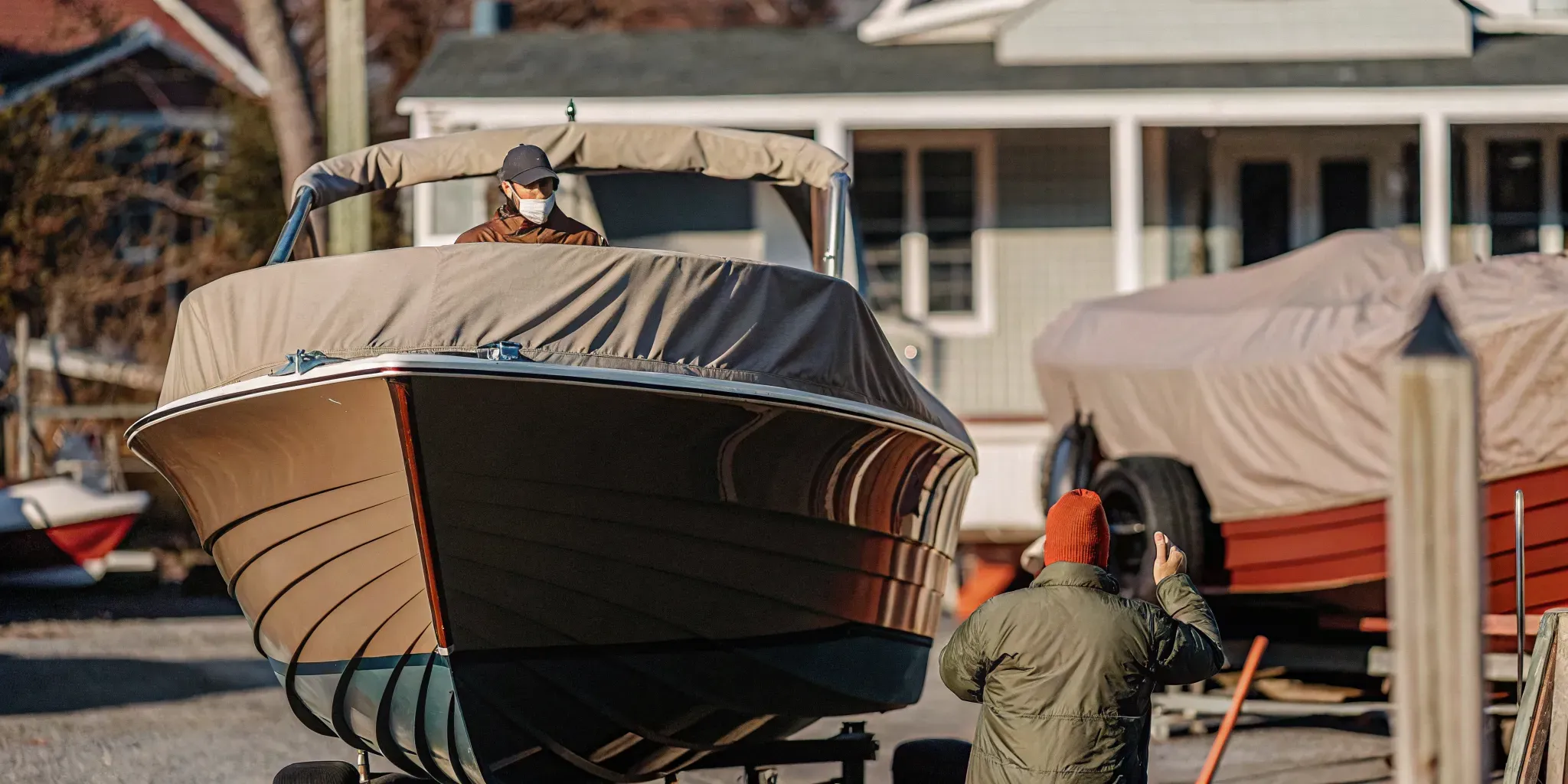
Winterization deserves its own place in a Massachusetts budget. At the end of the season, an owner may need to arrange haul-out, engine and plumbing protection, cleaning, storage, and any cover or wrap required by the chosen arrangement. In spring, the process runs in reverse: commissioning, launch coordination, inspections, and a final check that the boat is ready for the first outing.
If your goal is more time on the water and less time coordinating upkeep, explore Carefree Boat Club membership options and see what is included.
What Do Insurance and Registration Add in Massachusetts?
Insurance and registration are necessary budget lines, even though they are not as visible as a boat payment or a marina bill. The right insurance coverage depends on the boat, its value, where it operates, who drives it, and the level of protection the owner chooses. Speak directly with a marine insurance professional about the specific boat and intended use rather than treating an online estimate as a final quote.
Registration requirements, documentation, and safety obligations can also affect the purchase process and yearly planning. Massachusetts boaters should review current rules with the appropriate state authority and make sure the boat is equipped for the waters they plan to use. It is also wise to budget for safety equipment replacement as items age or change.
For a family new to boating, confidence is another part of the equation. Carefree Boat Club provides on- and off-water training so members can learn local waterways, places to go, things to do, and fishing spots with knowledgeable instructors. That local guidance is available without asking a new owner to build every skill and service relationship alone.
How Can You Decide Whether Boat Ownership Is Worth It for Your Family?
Start with how your family expects to boat. Do you want a specific boat available at any moment? Do you enjoy caring for equipment and managing a seasonal project? Will you use the boat often enough to feel good about every fixed cost? There is no universal answer, but there is a more complete way to decide.
- Define the experience you want. Consider the waters you want to explore, the people you plan to bring, and the kind of days you want to have.
- Get local quotes in writing. Ask marinas, storage providers, mechanics, insurers, and sellers about the costs tied to the exact boat and location.
- Include seasonal tasks. Add winterization, storage, spring work, cleaning, transport, and time spent coordinating service.
- Plan for repairs. A budget should have room for work that cannot be scheduled in advance.
- Compare the experience, not only the bills. Decide whether you want to own one boat and its responsibilities or access boating through a service model.
Carefree Boat Club is a family-owned business built for people who want the boating lifestyle without the ownership to-do list. Members reserve from a variety of boats, enjoy training, and leave maintenance, cleaning, insurance, and storage to the club. For many households, that predictability is as valuable as the financial comparison.
How Does a Boat Club Change the Ownership Calculation?
A boat club is not the same as owning a personal boat, and it is not meant to be. The comparison is between two different ways to access the water. Ownership gives you control over one particular boat and responsibility for every part of its care. A club membership is designed to provide boating access while shifting many of those ownership responsibilities to the club.
At Carefree Boat Club, members can boat from Boston, the North Shore, and Cape Ann. Those three locations give Greater Boston area families options for different days on the water while a local team maintains the fleet. Visit the club’s Boston, North Shore, and Cape Ann location pages to learn more about the regional experience.
Before making a decision, ask specific questions: What does the membership include? How do reservations work? What training is available? What kind of boats can members choose from? A tour is the best way to discuss those answers in the context of your family’s plans.
What Questions Should You Ask Before Buying a Boat?
Q: What is the first annual cost I should price?
Start with where the boat will live. A local slip, mooring, dry-storage, or home-storage arrangement shapes the rest of the ownership routine.
Q: Can I estimate ownership from the purchase price alone?
No. The purchase price does not include the ongoing cost of storage, service, insurance, fuel, seasonal preparation, repairs, and your time.
Q: Why does New England require a separate seasonal budget?
Boats in Massachusetts need an end-of-season plan and a spring return-to-water plan. Those tasks are part of keeping the boat protected and ready to use.
Q: Is a club membership right for every boater?
No. It is a strong fit for people who value boating access, variety, training, and less ownership responsibility. A personal boat may fit someone who wants to manage and customize one vessel.
What Is the Smart Next Step Before You Commit?
Do not let a simple purchase price stand in for the full annual cost of owning a boat. Build a local, year-round budget, ask for specific quotes, and be honest about the time your household wants to devote to ownership. That process gives you a clearer picture of what boating will feel like after the initial excitement of buying.
Schedule a Carefree Boat Club tour to talk through Boating Without Owning, see the boats, and explore whether membership is the better fit for your family.