

Boating for seniors can be a comfortable, rewarding way to spend time outside when the boat, boarding plan, weather, and pace fit the people aboard. Older adults and their families do not need to start with a long trip or a complicated itinerary. Begin by talking through mobility, balance, seating, sun exposure, and what kind of day sounds enjoyable, then confirm the details with the boat provider.
Schedule a tour and talk through your plans
What Makes a Boating Day Comfortable for Older Adults?
Comfort is personal. One person may be happy sitting near the bow and watching the shoreline. Another may want a shaded seat, an easy step aboard, and a short outing with a planned stop. A useful conversation covers the whole experience, not just the time underway.
Ask the older adult what would make the day pleasant and what would make it difficult. Do they prefer a quiet cruise, fishing, or time with family? How long can they comfortably sit? Are stairs, narrow passages, or stepping between a dock and boat a concern? Do they need frequent access to a restroom, room for mobility equipment, or a particular type of seat? Specific answers are more useful than assuming what someone can or cannot do based on age.
Then match those preferences to the actual boat and outing. A boat that looks spacious in a photo may have a high step, limited shade, or a narrow path to a seat. Check the layout in person where possible. The Massachusetts fleet information can help start a conversation about boat styles, but confirm the details of the particular boat you would use.
How Can You Check Boarding and Movement Before the Trip?
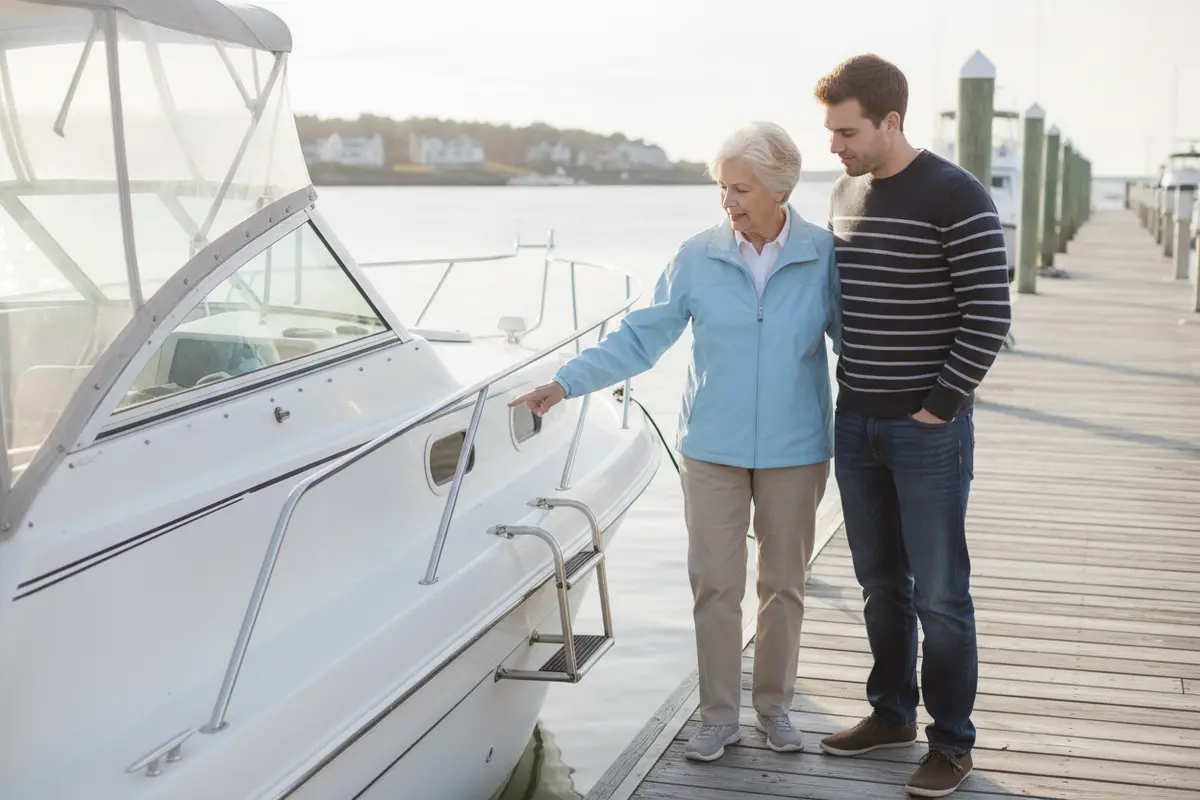
Getting on and off the boat can take more planning than the ride itself. Before committing to a date, ask where the boat departs and what the route from parking to dock is like. Find out whether there are steps, ramps, uneven surfaces, a moving gangway, or a long walk. Conditions at a dock may change with water level and weather.
Ask the person responsible for the boat to explain the boarding process. If it helps, arrange a visit to see the dock and boat before the outing. A tour gives the older adult and family a chance to look at the actual surfaces, handholds, seats, and path through the boat rather than relying on a general description. Do not assume a rail or step is suitable for someone’s needs until they have assessed it.
- Check whether the older adult can step aboard safely with the support they normally use.
- Ask where they can sit during boarding and whether there is a stable place to wait.
- Look for trip hazards such as loose gear, wet surfaces, lines, or a narrow passage.
- Discuss whether a companion should board first or provide help, and agree on how that assistance will work.
- Confirm that any cane, walker, or other mobility aid can be stored safely and reached when needed.
Never lift or transfer someone in a way that feels unsafe to them or the helpers. If the boarding arrangement does not work, choose a different boat, dock, or activity. A pleasant day on the water is not worth taking a fall or creating pressure to manage a transfer that has not been planned.
Which Boat Features Should You Ask About?
Prioritize features that matter to the people who will be aboard. A stable-feeling seat with back support may matter more than extra open deck space. Some people value shade, a reachable handhold, a clear route to the seating area, or a restroom on board. A family should ask direct questions about each feature and verify what is present on the specific boat; equipment and layouts can vary.
Carefree Boat Club’s boats have onboard heads with toilets. A few have sinks, and none have showers or elaborate full bathrooms. If restroom access is important, confirm the layout and how someone can reach it while underway. A toilet on board does not necessarily mean the path to it will be easy for every passenger.
Use the following checklist to compare practical fit. It is not a rating system: a feature only helps if it suits the individual and is available on the boat for that day.
| What to assess | Questions to ask | Why it matters |
|---|---|---|
| Boarding | How high is the step, and what handholds or dock features are available? | Helps the passenger and family judge whether getting aboard feels manageable. |
| Seating | Is there a seat with suitable back support, and can the passenger reach it easily? | A comfortable seat can make a shorter outing more enjoyable. |
| Shade and exposure | Where is shade available, and can the passenger bring sun protection? | Supports a plan for changing sun and weather conditions. |
| Restroom access | Is there an onboard toilet, and how accessible is the route to it? | Clarifies an important comfort need before departure. |
| Movement and storage | Can the passenger move safely, and where can a mobility aid be secured? | Reduces clutter and helps everyone plan movement aboard. |
| Trip length | Can the outing be kept short, with a return plan if someone wants to stop? | Lets the group set a pace that fits the least comfortable passenger. |
How Should Families Plan for Safety and Changing Conditions?
Plan for the conditions you may encounter, not only the forecast at home. Wind, temperature, sun, and wave action can affect comfort. Pick a conservative outing, check conditions before leaving, and be willing to delay or cancel if the day no longer suits the group. A calm plan should include how to get back to the dock and who makes the call if a passenger feels unwell or tired.
Wear a properly fitted life jacket whenever required and follow the boat operator’s directions. The National Safety Council’s recreational boating safety guidance emphasizes wearing life jackets on boats, including for people who can swim. Ask in advance what life jackets are available and how the passenger can put one on comfortably.
Make a simple shared plan before departure:
- Agree on the outing. Choose the activity and duration together. Make sure the older adult can opt for a shorter trip or stay ashore without feeling they are spoiling the day.
- Review health and comfort needs. The passenger should consider their own needs and consult a healthcare professional when uncertain about whether an activity is suitable. Bring any personal items they normally need, and tell the trip leader what assistance may be helpful.
- Check the weather and clothing. Bring layers, sun protection, drinking water, and any other personal comfort items appropriate to the conditions. Keep essentials secured so they do not become obstacles.
- Discuss communication. Identify who is operating the boat, who can help the passenger, and how to signal if they need a break or want to return.
- Keep the route flexible. Avoid a schedule that depends on staying out for a set length of time. A shorter trip can still be a successful outing.
Anyone who feels dizzy, unusually short of breath, overheated, cold, or unwell should tell the person in charge. The group should respond promptly and seek appropriate help when needed. This article offers general planning information, not individual medical advice.
How Can You Make the First Outing Easier?
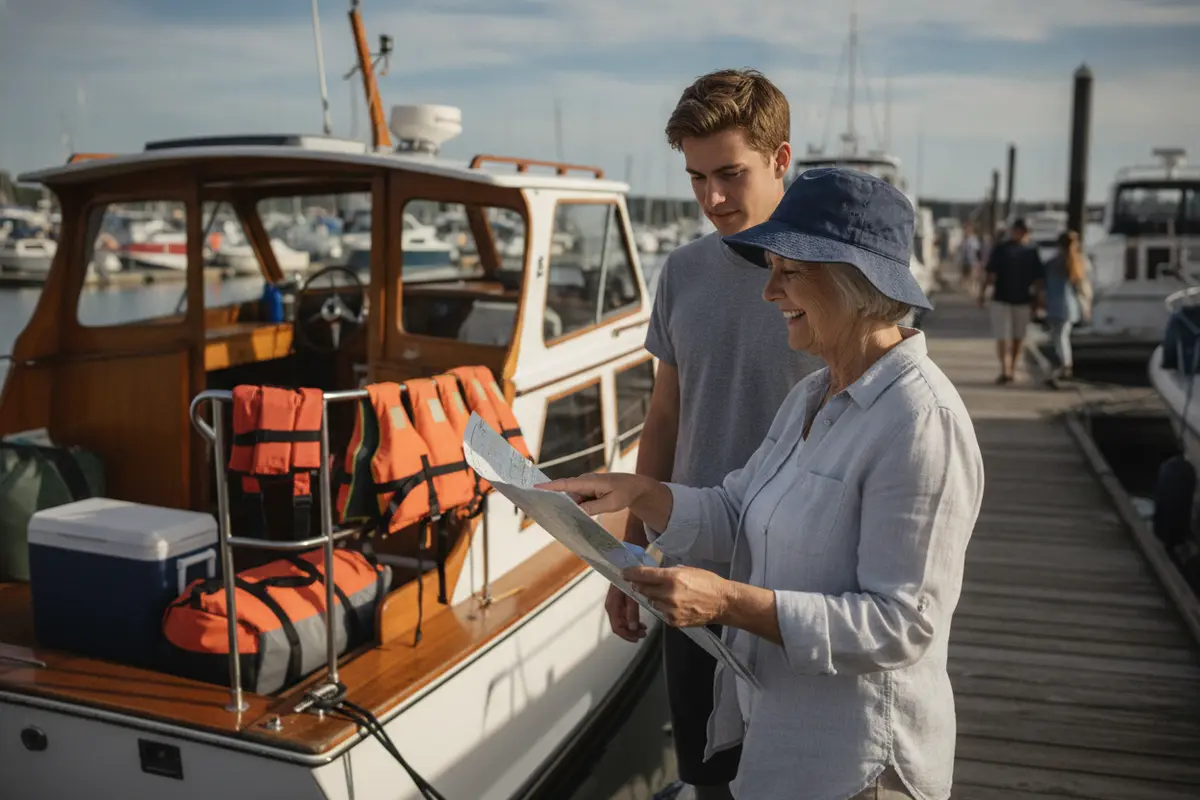
Keep the first outing simple and give everyone time to get comfortable. A short trip in familiar local waters may be a better introduction than a full day with several planned stops. Choose a time that works with the passenger’s normal routine, leave room for rest, and avoid adding extra errands before or after.
Think through the day from home to home. How long is the drive to the marina? Is there a place to sit while the group gets organized? Will the passenger need a meal or medication at a particular time? These practical details can affect energy and comfort just as much as the time aboard. Avoid packing the schedule tightly. Allow time to park, walk to the dock, use the restroom before boarding, and settle in without rushing.
It can also help to agree on a simple check-in phrase before leaving. For example, the passenger might say “let’s take a break” or “I’d like to head back” when they want the pace to change. Make clear that the request will be respected without debate. A planned way to speak up can reduce the pressure to endure discomfort for the sake of the group.
- Bring only the personal items that will be useful, and keep them secured but reachable.
- Choose clothing and footwear that suit the conditions and allow safe movement.
- Decide who will carry bags and who will stay close during boarding.
- Keep the first itinerary simple, with no obligation to add another stop.
Before setting off, have the operator explain the basic boat layout and what to expect during departure and return. The club’s on-the-water training information is a useful starting point for questions about learning and support. You can also read the practical Boating 101 guide together so new passengers have a chance to discuss unfamiliar terms and routines.
At the dock, take things one step at a time. Keep the boarding area clear, let the passenger choose their pace, and avoid rushing to meet a departure time. Once aboard, check that the person is seated comfortably before getting underway. Ask how the ride feels after a short time and make adjustments if appropriate.
For local planning, look at the club’s pages for Boston, Danvers, and Gloucester. The right location is the one that works for your group’s travel, access needs, and preferred outing—not simply the closest name on a map.
How Can You Keep Everyone Comfortable Throughout the Outing?
Comfort does not stop being important once the boat leaves the dock. Check in quietly after the first few minutes and again if the weather, route, or activity changes. Ask an open question such as “Would you like to keep going, pause, or head back?” This gives the passenger a real choice and makes it easier to mention a small concern before it becomes a reason to end the outing.
Plan for ordinary needs without making the older adult feel singled out. Keep drinking water easy to reach, offer breaks, and make sure needed personal items are not buried under other gear. If the passenger is sensitive to sun or wind, ask where they would be most comfortable sitting and whether the outing should be shortened as conditions change. Do not move someone or their mobility aid while the boat is underway unless the operator says it is safe.
Families can also agree on a low-stress return plan. Identify who will help the passenger when the boat is back at the dock, where bags will go, and whether the group can take a few minutes before walking back to the car. If the passenger is tired, avoid rushing them through disembarking. Clear the way, follow the operator’s directions, and let the person move at a pace that feels safe.
After the trip, ask what worked and what they would change next time. Maybe the outing was the right length but the walk from parking was tiring. Perhaps a different seat, earlier start, or less ambitious plan would help. Treat that feedback as useful planning information, not a reason to insist that the person try harder. The next trip can be adjusted around what they say.
What Should You Compare When Choosing a Boating Option?
There is no single best arrangement for every older adult. Compare the practical experience: how much advance planning is needed, who handles the boat, what support is provided, and whether the passenger can comfortably use the boat and dock. Ask for clear answers rather than relying on broad promises.
A boat club membership is one option for people who expect to spend time boating over a season and value ongoing access rather than arranging a single isolated outing. Before considering membership, ask about the reservation process, the boats available at the relevant location, training, safety procedures, and the features of the specific boat. Review the club’s membership information and bring individual comfort and access questions to a person who can discuss them.
When you speak with the provider, ask for details that can be confirmed for your intended date rather than general assurances. Find out whether you can inspect the boat beforehand, who will explain the boarding process, where the passenger can sit, how life jackets are selected, and what the group should do if conditions or comfort change. If the answer is uncertain, ask who can verify it and when you should follow up. Write down the details so family members are working from the same plan.
Families can use these questions to guide a conversation:
- Can the older adult see the boat and dock before deciding?
- Is the expected boarding process suitable for their current mobility and balance?
- Can they choose a shorter outing and change plans if needed?
- Are restroom, seating, shade, and storage details confirmed for the actual boat?
- Do they feel comfortable with the operator and the plan for assistance?
- Does the activity suit their interests, not just the family’s idea of a good day?
For answers about common membership and trip questions, review the frequently asked questions. If something important remains unclear, ask before booking or making a commitment.
Talk with Karen or Eric about your questions
What Questions Do Families Ask About Boating for Seniors?
Does someone need boating experience to join an outing?
Passengers do not need to operate the boat to enjoy an outing. If someone wants to learn more, ask about available instruction and explain what they hope to learn. The trip plan should still account for the passenger’s comfort and access needs.
What if an older adult has limited mobility?
Describe the person’s specific needs to the boat provider before choosing a boat or date. Ask about the dock route, boarding step, handholds, seating, passageways, and safe storage for mobility aids. If the arrangement is not suitable, choose another plan rather than attempting an unsafe transfer.
How long should a first trip last?
There is no universal duration. Start with a length the passenger feels comfortable trying, and make sure the group can return earlier if needed. Their comfort and preference should set the pace.
Can we bring a family member to help?
Ask the provider about passenger arrangements and discuss in advance what help the older adult wants. Agree on who will assist with boarding, belongings, and communication so nobody has to improvise at the dock.
What Is the Best Next Step?
A good boating day starts with honest questions and a plan built around the older adult—not assumptions about age. Check the boat and dock, confirm comfort details, choose a flexible outing, and let the passenger set a pace that feels right. When those pieces fit, time on the water can be an enjoyable way to share a Massachusetts day together.