
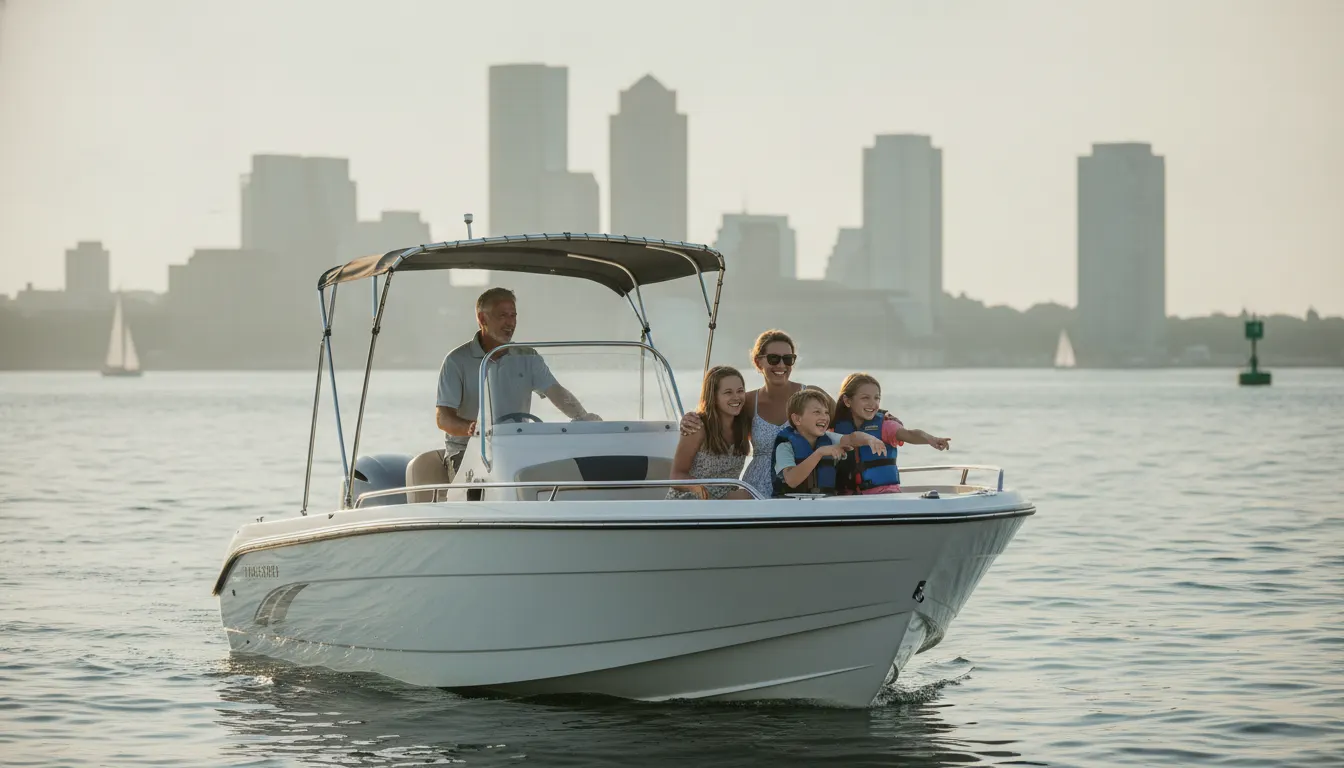
Summer boating in Massachusetts is rarely about getting out on the water as quickly as possible. The best days usually come from a little planning before you leave the dock: choosing a realistic destination. Checking conditions, confirming your reservation, and making sure everyone has what they need for a comfortable return. For families around Boston, the North Shore, and Cape Ann, that preparation can turn a short outing into a day everyone remembers.
Book a Carefree Boat Club tour and plan your next Massachusetts boating day
What Makes Summer Boating in Massachusetts Different?
Massachusetts gives boaters several different experiences within a relatively compact coastal region. A day from Boston may center on harbor views and open-water confidence. A trip from Danvers can combine river access with Salem Sound. Gloucester offers a working waterfront and a natural starting point for Cape Ann outings. Each setting can be enjoyable, but each also rewards a different level of preparation.
Summer conditions can change quickly along the coast. A calm morning does not guarantee a calm afternoon, and a route that feels comfortable close to shore may require more experience as it opens toward the ocean. A better plan leaves room to adjust. Pick a destination that fits the operator’s experience, the passengers on board, the boat, and the forecast rather than trying to cover too much water in one trip.
It also helps to separate the day into three parts:
- Before departure: confirm the reservation, review the forecast, check the boat and safety equipment, and tell someone where you plan to go.
- On the water: stay aware of changing weather, traffic, wakes, fuel level, and the comfort of every passenger.
- Before returning: allow enough time to reach the dock without rushing, especially if visibility or wind changes.
For a broader look at when different conditions tend to appear during the year, read the Massachusetts boating season guide. This article focuses on the practical decisions that make one summer outing go more smoothly.
How Should You Reserve a Better Day on the Water?
A good boating day starts with the right reservation, not just any available reservation. Begin by deciding what the group actually wants to do. A short family cruise, a swim-focused afternoon, a fishing outing, and a longer coastal trip may call for different boat features, departure times, and preparation.
When reserving, think through the following questions:
- How many people will be on board, and what will make them comfortable?
- Does the planned activity call for open space, fishing features, or a different boat style?
- What time of day gives the group the best conditions and the most useful daylight?
- How much time will be needed for a relaxed departure, stops, and a return to the dock?
- Is the route appropriate for the operator’s current training and experience?
Carefree Boat Club members use the club’s online reservation system, and the local team can also help by phone. The goal is to reserve an outing that fits the day, not to force an ambitious itinerary into a narrow time window. If the weather forecast changes, review the club’s current reservation and weather procedures before heading out.
Planning several possible outings can make summer boating more flexible. Keep a nearby option for a breezy day, a longer route for a stable forecast. And a simple family cruise for the days when everyone wants time on the water without a packed schedule.
What Weather and Water Conditions Should You Check?
Weather is part of the route plan. Check more than the temperature. Review wind speed and direction, thunderstorms, visibility, wave conditions, tide information where relevant, and the forecast for the full period you expect to be away. Conditions can be different at the dock, across an open harbor, and near the coast.
Use a forecast as a decision tool rather than a promise. Before leaving, decide what would cause you to shorten the trip, turn around, or stay in a more protected area. If thunderstorms, poor visibility, or uncomfortable waves are developing, changing the plan is a sign of good judgment. A successful outing is one where everyone returns safely and still wants to go boating again.
Massachusetts boaters should also review the current Massachusetts boating law summary for state requirements and updates. The state notes that a valid boater safety certificate is required for motorboat and personal watercraft operators under the current 2026 rules. The official summary also covers safety equipment and operating responsibilities. Laws and official guidance can change, so use Mass.gov for the most current requirements.
Before departure, make a short conditions check:
- Look at the forecast for the entire planned outing, not just the departure hour.
- Check the wind and visibility where you plan to travel.
- Identify a conservative turnaround time.
- Make sure every passenger understands what to do if conditions change.
- Tell the dock team or a reliable person if your route changes materially.
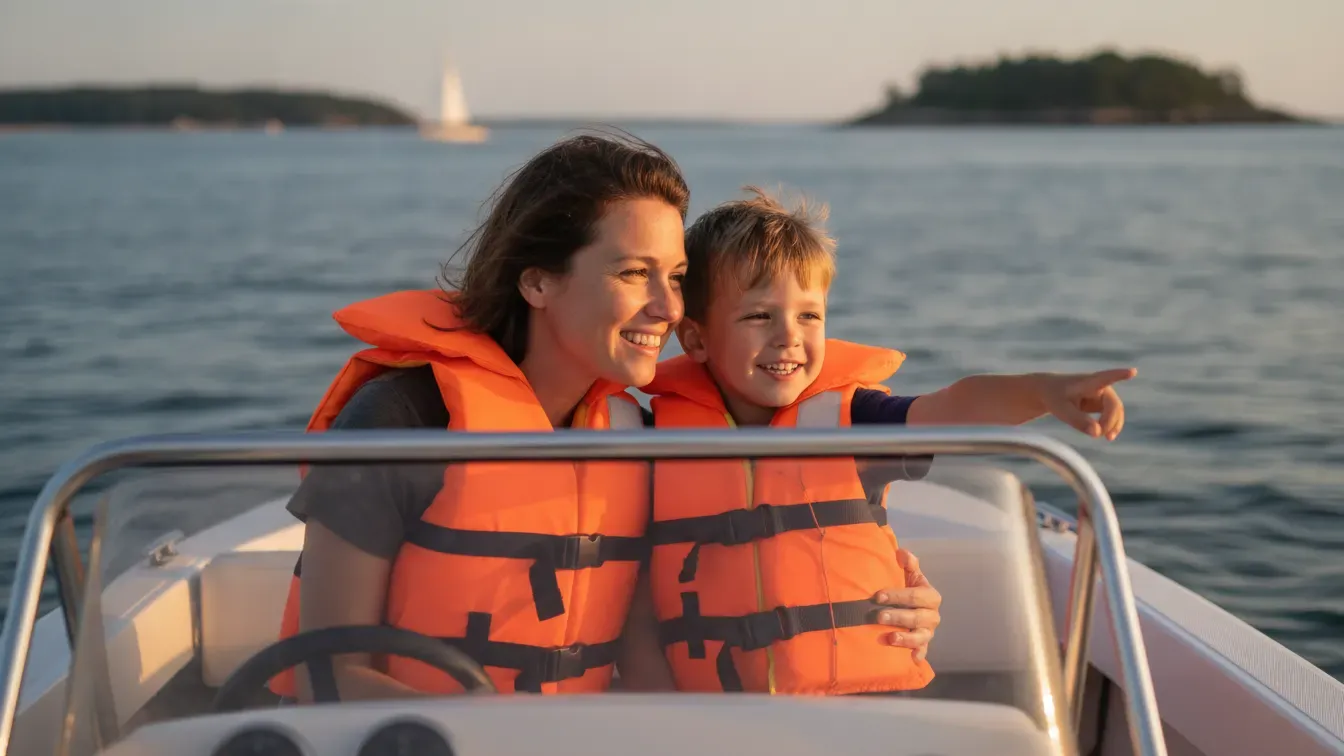
What Safety Gear Should You Confirm Before Leaving?
Do not wait until the boat is moving to discover that a piece of safety equipment is missing, difficult to reach, or the wrong size. The operator should review the boat’s required equipment and make sure passengers know where to find the items that may matter in an emergency.
A practical pre-departure review should include:
- Wearable personal flotation devices that fit the people on board, including children.
- A throwable flotation device when required for the vessel.
- A charged fire extinguisher and a first-aid kit.
- An anchor, anchor line, and other required equipment.
- Working navigation lights, horn, radio, and other communication tools.
- A charged phone stored where it can be reached without becoming the only emergency plan.
- A working engine cut-off switch and lanyard when the boat is equipped for one.
- Enough drinking water, sun protection, and dry layers for the whole group.
The Massachusetts pre-departure checklist is a useful neutral reference for reviewing controls, lights, fuel leaks, the engine compartment, PFDs, and a float plan. Use the boat’s own checklist and the applicable state requirements as the final authority.
Carefree’s training is designed to help members build confidence with local waterways, boat systems. Docking, navigation, and the situations that can feel unfamiliar at the beginning of the season. Even experienced boaters benefit from refreshing their routine when moving between boat types or locations.
How Should You Plan Fuel, Food, and Time?
Fuel planning is easy to overlook when the focus is on the destination. Treat fuel as a separate operating expense and part of the route decision. Check the starting level, understand the boat’s expected range, identify where refueling is available, and leave a margin for wind, current, idling, and an unexpected detour. Never plan to arrive with only the minimum amount needed.
Food and water deserve the same practical attention. Pack more drinking water than the group expects to use, especially on warm days. Bring food that can be secured and eaten without creating a distraction for the operator. A dry bag with sunscreen, layers, towels, medication, and basic personal items can prevent a small inconvenience from taking over the day.
Build the schedule around the return, not only the departure. Allow time for:
- A complete safety and equipment check before leaving.
- Slow-speed areas, harbor traffic, and docking.
- Weather-related changes or a shorter route.
- Passengers who need a break or become uncomfortable.
- Fueling, cleanup, and returning the boat on time.
One of the advantages of a well-run boat club is that members can focus on preparing for the outing instead of handling every ownership task between trips. The club’s maintained fleet and local support can make it easier to choose the right kind of day, while training helps members operate with more confidence.
Talk with the Carefree team about a summer boating plan for your family
Which Massachusetts Boating Area Fits Your Day?
Local planning becomes easier when the destination matches the group. Carefree Boat Club serves members from locations in Boston, Danvers, and Gloucester, giving Massachusetts families different ways to begin an outing.
What Can You Plan from Boston?
The Boston location provides access to Boston Harbor and a city-side boating experience. A shorter harbor outing can work well for a first trip of the season or a group that wants views without committing to a long route. Use the Boston Harbor boating guide for destination ideas, then confirm current conditions and local navigation details before departure.
What Can You Plan from Danvers?
Danvers is a practical starting point for families who want to explore the Danvers River, Salem Sound, or nearby North Shore waters. A flexible plan can include a protected-water option and a longer route if conditions are comfortable. The Danvers location page provides current club information for this part of the North Shore.
What Can You Plan from Gloucester?
Gloucester offers a working waterfront and Cape Ann access for members who want a more open-water feel. Keep the route realistic for the forecast and the crew. A day near Gloucester may be excellent for exploring the harbor, looking for a quiet stop, or building ocean experience gradually. Review the Gloucester location page and confirm local details with the club before heading out.
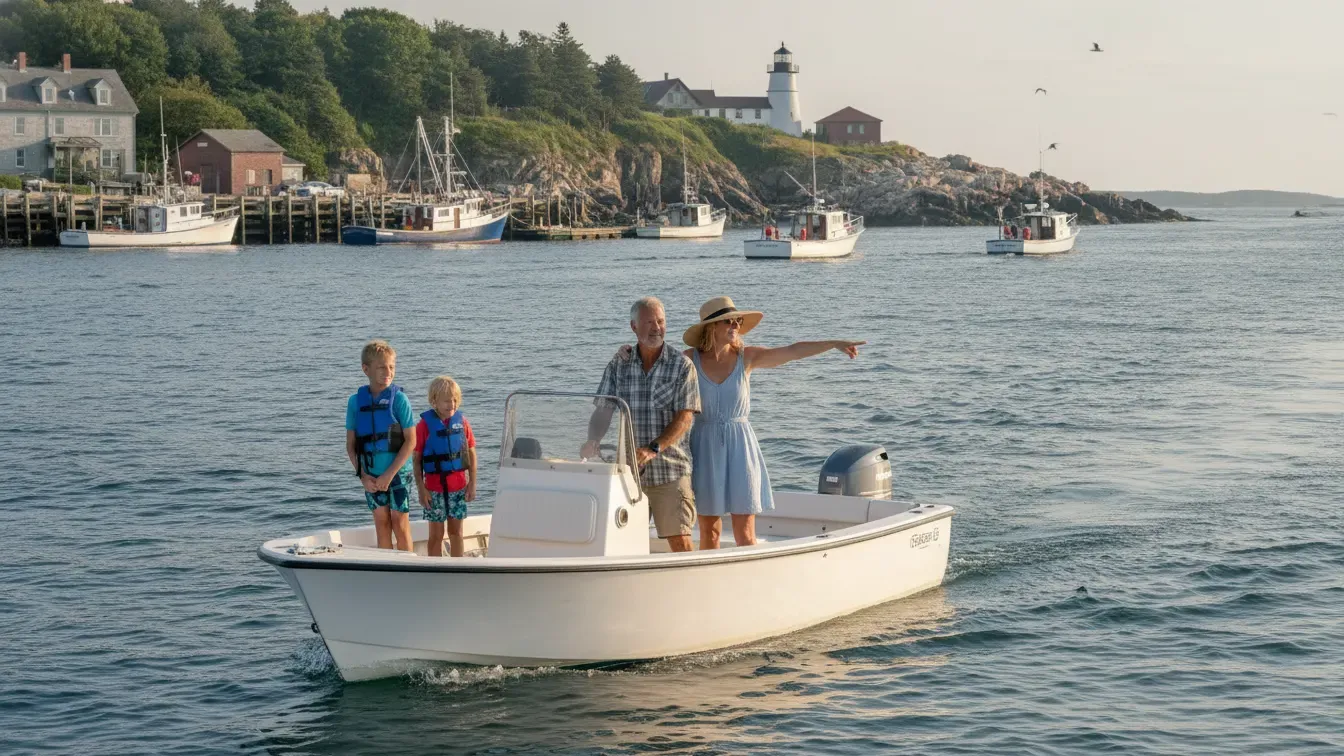
Wherever you launch, create a simple route note with your starting point, intended area, expected return, and a backup option. That small step helps passengers understand the plan and gives the operator a clear reason to adjust before the day becomes rushed.
How Can a Boat Club Simplify Summer Boating?
Private boat ownership can make access to the water possible, but it also brings maintenance, cleaning, storage, insurance, and seasonal preparation. A boat club offers another model: boating without owning. Members reserve from a maintained fleet, receive training and local orientation, and can spend more of their time preparing for the experience itself.
Carefree Boat Club’s local team teaches members about waterways, places to go, things to do, and fishing areas as part of the training experience. That local knowledge is useful when a family is learning where it feels comfortable, how to plan around conditions, or which boat best fits a particular outing.
Membership also includes reciprocal access to Carefree boats at 150+ participating locations worldwide, subject to the applicable reservation process and availability. That can add flexibility for members who travel while keeping Massachusetts boating close to home.
To plan well, think beyond the boat. Choose a route your group can enjoy, check conditions, confirm safety equipment, budget for fuel, and leave enough time to return without rushing. Those habits matter whether you own a boat or use a club membership.
For another practical look at getting comfortable on the water, explore Carefree’s on-the-water training. You can also review the club’s current fleet information before deciding what type of outing you want to discuss.
Book your Carefree Boat Club tour before your next Massachusetts summer boating day.
| Planning area | What to decide | Why it matters |
|---|---|---|
| Reservation | Activity, group size, boat fit, and time window | Sets a realistic plan before departure. |
| Conditions | Wind, visibility, storms, waves, and route | Helps you choose whether to go, shorten, or reschedule. |
| Safety | PFDs, communication tools, equipment, and float plan | Gives every passenger a clear response plan. |
| Return | Fuel, docking time, cleanup, and a backup route | Reduces rushed decisions late in the outing. |
Frequently Asked Questions About Summer Boating
How early should I plan a summer boating day?
Start with the activity and the group, then reserve a time that leaves room for the forecast, preparation, and return. Planning several days ahead can give you more choice, while a flexible backup plan helps when conditions change.
What should I check first if the forecast changes?
Review wind, visibility, precipitation, thunderstorms, and the conditions along the entire route. Then decide whether to shorten the trip, choose a more protected option, reschedule, or stay at the dock. When in doubt, choose the more conservative plan.
Is fuel included with a boat club membership?
Do not assume fuel is included. Treat fuel as a separate trip expense, check the starting level, and ask the local club team about the current fueling and return procedures for your reservation.
Can beginners enjoy summer boating in Massachusetts?
Yes, when the outing matches the operator’s training and the conditions. Start with a manageable route, use the available training, ask questions about local waterways, and build experience gradually rather than choosing the most demanding trip first.
Where can I learn more about Carefree Boat Club?
Visit the Carefree contact page to ask about a tour, local locations, training, reservations, and the membership options that may fit your boating plans.