
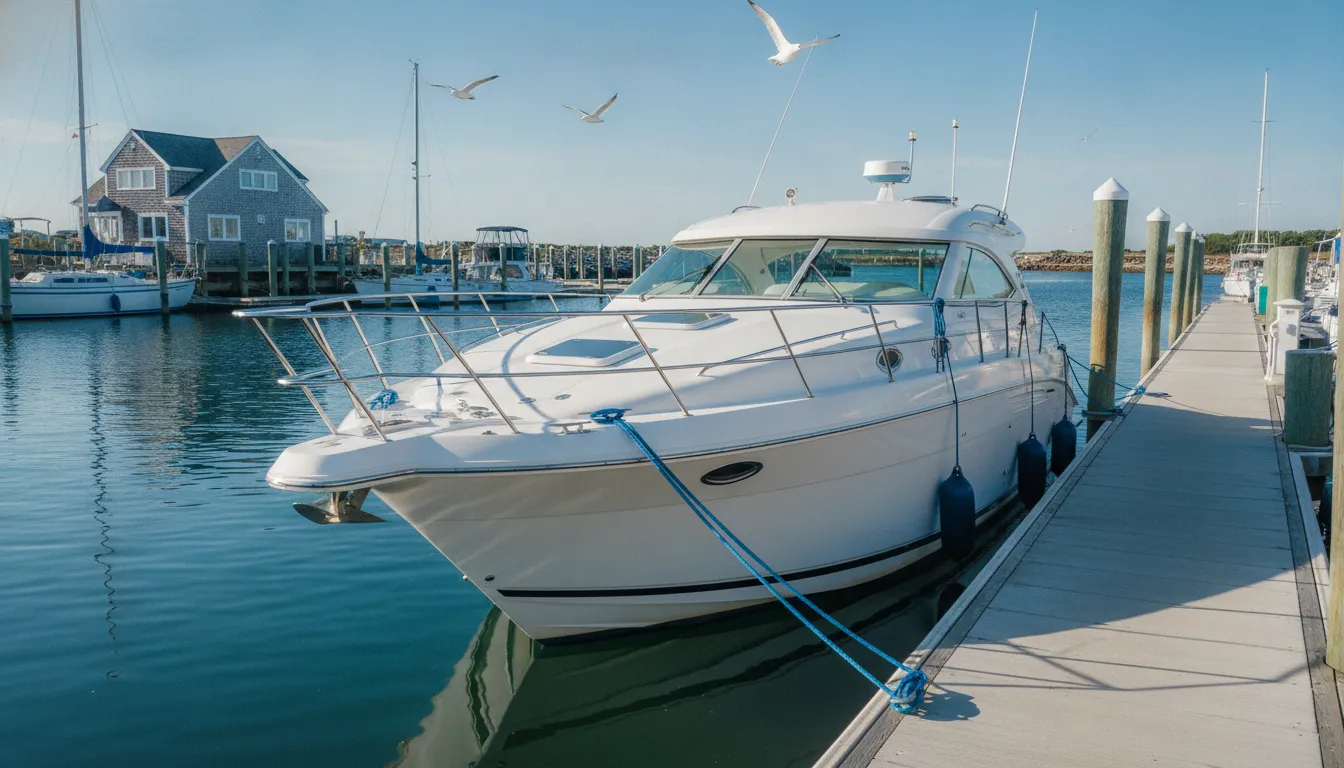
Selling a boat in Massachusetts can feel like the end of your time on the water, but it can also be a practical reset. If maintenance, storage, insurance, and repairs have started taking more time than boating itself. Moving from ownership to membership may let you keep the experiences you value while leaving the recurring work behind. Reviewing the challenges of boat ownership can help clarify whether the change fits your priorities.
For many Massachusetts owners, the decision to sell boat and join boat club creates a simpler path back to boating. It means selling an underused asset, exploring membership options, and using ready-to-go boats from home locations such as Boston, Danvers, or Gloucester. Carefree Boat Club members also receive reciprocal access at 150+ participating locations nationwide.
Before listing your boat, it helps to understand why experienced owners are making this transition and what they expect to gain from a club membership.
Book a free tour to see how a Carefree Boat Club membership could fit your next season on the water.
Why Experienced Boat Owners Are Trading Keys for Club Memberships
After years of owning a boat, many Massachusetts boaters know the reality behind the perfect day on the water. The outing itself may be relaxing, but it often begins with checking the battery, arranging storage, cleaning the boat, handling repairs, and wondering what will need attention next. Maintenance, cleaning, and storage are among the most common reasons experienced owners decide it is time for a different approach.
Selling a boat and joining a club can be a practical financial decision as well as a lifestyle decision. Carefree Boat Club cites traditional ownership costs of about $136,000 over five years. Compared with potential savings of 60 to 80 percent through club membership, depending on how an owner uses and maintains a boat. Those figures are not a promise for every household. But they help explain why owners are looking beyond the purchase price and considering the full cost of keeping a boat.
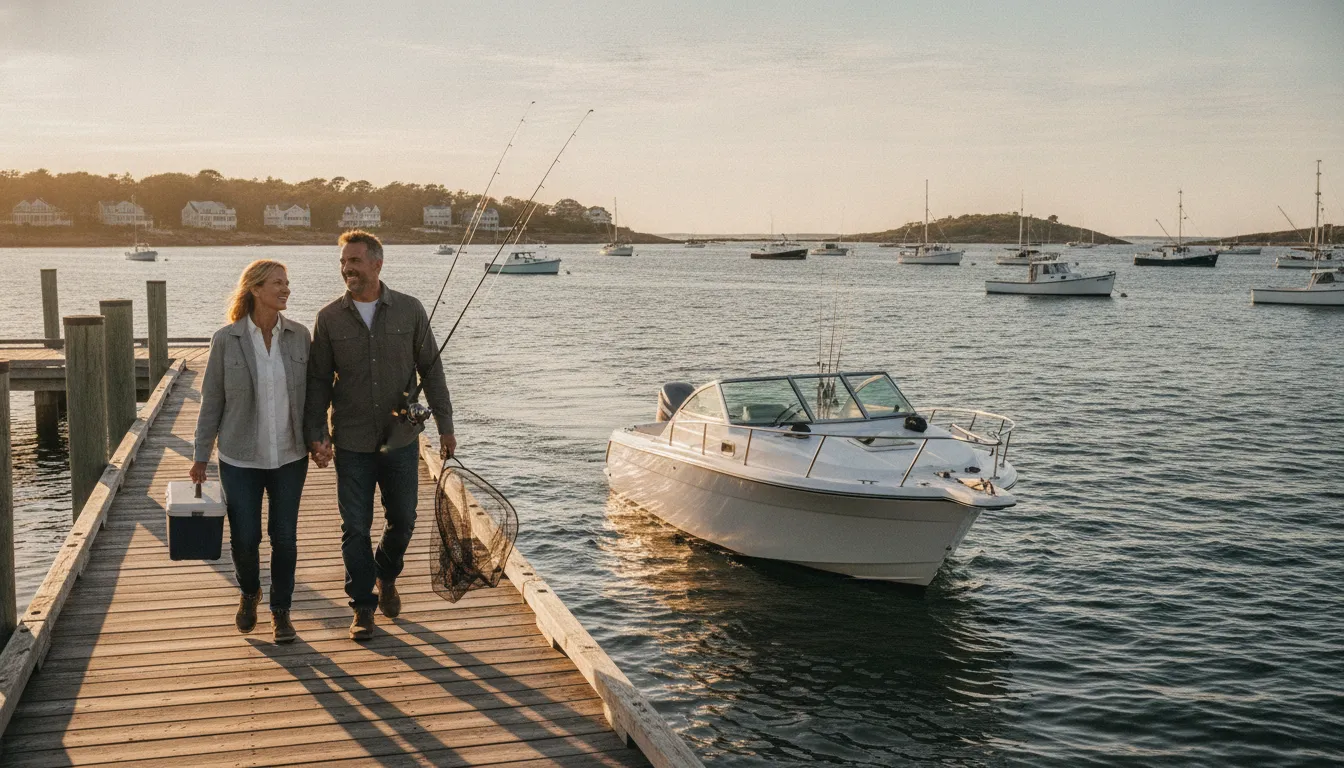
For many families, the bigger change is time. Carefree boats are pre-fueled, cleaned, and maintained. So members can arrive at the marina and get on the water instead of spending the first part of the day preparing the boat. The club handles the work, while members focus on the reason they bought a boat in the first place: fishing with a child. Exploring the harbor with friends, or enjoying a quiet afternoon with family.
More time on the water, less time managing the boat
Water-based recreation can support mental and physical well-being, according to research on outdoor activities and time spent near water. A review of water-based recreation found consistent evidence connecting these experiences with well-being. While a broader systematic review associated nature-based outdoor activities with positive mental and physical health outcomes. Boating is not a cure-all, but it can create meaningful space to step away from screens, routines, and household demands.
That matters when ownership starts to feel like another responsibility. Experienced boaters are not necessarily giving up boating when they trade their keys for membership. They are choosing to keep the weekends, family traditions, and time outdoors while leaving the repetitive work behind. For owners in Boston, Danvers, Gloucester, and nearby North Shore communities, the change can mean returning to the water with less planning and more enjoyment.
To understand the responsibilities many owners are ready to leave behind, review the challenges of boat ownership before deciding whether a club model fits your next season.
How to Sell Your Boat in Massachusetts: Where to List and What to Expect
Selling a boat in Massachusetts is easier when you treat it as a planned transition, not a last-minute transaction. Start by deciding whether you want the reach and guidance of a broker or the control of a private listing. A broker can manage inquiries, showings, negotiations, and much of the paperwork. A private sale may give you more direct control, but you will be responsible for presenting the boat accurately, screening buyers, and managing each step yourself.
Before listing, it also helps to be honest about what ownership has required. Cleaning, repairs, storage, and winterization can consume both time and attention, especially when the New England season changes quickly. The challenges of boat ownership are often clearest when you are preparing a boat for sale and reviewing what you want your next boating season to look like.
- Choose your selling route. Compare a reputable Massachusetts broker with a private listing based on your available time, comfort with negotiations, and the boat’s condition. Ask what services are included and how the sale process will be handled from listing through closing.
- Document the boat and price it realistically. Gather maintenance records, registration information, title documents, equipment details, and clear photographs. Consider age, condition, service history, comparable listings, and seasonal demand rather than pricing from emotion. A realistic asking range can attract qualified buyers without creating unnecessary delays.
- Confirm title and transfer paperwork. Make sure the ownership documents match the seller’s information and that any required liens, registrations, or transfer records are addressed before accepting an offer. Your broker, attorney, or the appropriate Massachusetts agency can clarify which documents apply to your situation.
- Plan around the New England boating season. Spring and early summer often bring more attention from buyers preparing to get on the water, while a later sale may require more patience. Do not overlook storage and winterization obligations while the boat remains listed. Those responsibilities are part of the ownership burden you are trying to leave behind.
- Complete the inspection, negotiation, and closing carefully. Be prepared for a buyer to request a viewing, sea trial, or inspection. Put agreed terms in writing, confirm what equipment remains with the boat, and keep copies of the bill of sale and transfer documents. Once the transaction is complete, cancel or update insurance and storage arrangements as appropriate.
After the sale, the next question is how you want to use the water. Carefree Boat Club has Massachusetts home marinas in Boston, Danvers, and Gloucester, giving former owners a local starting point for a simpler boating routine. Review the boat club membership options and compare the responsibilities you are leaving behind with the access and support you want going forward.
Using the Sale Proceeds to Fund a Boat Club Membership
When you sell a boat and join a boat club, the proceeds can do more than close out an asset. They can help fund a boating lifestyle without carrying the recurring responsibilities that come with ownership. The decision is both financial and practical: you are comparing the cost of keeping a boat against the value of reliable access. Professional care, and more time on the water.
Traditional ownership can involve approximately $136,000 in costs over five years when expenses such as maintenance, storage, insurance, and depreciation are considered. Carefree Boat Club cites potential savings of 60% to 80% compared with traditional ownership, although each member’s results depend on the boat, usage, and personal circumstances. The goal is not to promise a specific return. It is to make the full cost of ownership visible before deciding what to do with your sale proceeds.
| Cost category | Owning a boat | Boat club membership |
|---|---|---|
| Insurance | Ongoing coverage and policy costs remain the owner’s responsibility. | Membership is structured around a predictable cost profile rather than individual boat ownership expenses. |
| Storage | Owners arrange and pay for marina, rack, trailer, or off-season storage. | The club manages the operational side of keeping boats ready for members. |
| Maintenance and cleaning | Routine cleaning, service, and upkeep take time and money. | Carefree boats are cleaned, maintained, and pre-fueled, so members can show up and boat. |
| Winterization and repairs | Seasonal preparation and unexpected repairs can affect both budget and schedule. | The club covers the maintenance process instead of assigning it to each member. |
| Depreciation | The owner absorbs changes in the boat’s resale value. | Members avoid owning an asset that depreciates between outings. |
The value also extends beyond the Massachusetts home marinas in Boston, Danvers, and Gloucester. Reciprocal access gives members use of boats at more than 150 participating locations nationwide, adding flexibility when travel is part of the plan. Review the full boat club membership options and compare the predictable membership experience with the ownership costs you are ready to leave behind.
What You Gain and Lose When You Stop Owning
Selling your boat can feel like giving up more than a purchase. You are also giving up the ability to decide exactly when to use one particular boat, how to customize it, and which equipment stays aboard. Those are real benefits of ownership, especially for boaters who enjoy working on their vessel or have highly specific preferences.
The trade-off is that you also leave behind the work that comes with those choices. Members of Carefree Boat Club arrive at boats that are cleaned, maintained, and ready to use. Rather than spending the start of every outing checking systems, arranging repairs, or preparing the boat for the season. That makes boating costs and planning more predictable, although membership does not provide the same permanent claim to one specific boat.
Availability matters when you make that change. Carefree maintains a low member-to-boat ratio, which is intended to support reliable access when members want to get on the water. Instead of owning one boat that may sit unused or need attention. You can choose from a varied fleet suited to different plans, including fishing trips, coastal exploring, and family outings. The options may change, but the basic advantage is flexibility without taking on several boats yourself. Members also receive reciprocal access at more than 150 participating locations nationwide, which can make boating easier when travel takes you beyond Massachusetts.

Safety and upkeep are another meaningful gain. The fleet receives professional maintenance and 50-point inspections, so the condition of the boat is not solely your responsibility. You still need to operate responsibly and follow boating rules. But you are not carrying the full burden of keeping a privately owned vessel clean, stored, winterized, and ready.
Training can make the transition more comfortable, too. Certified on-the-water training helps members build confidence with the boats and local conditions. For families, that support can matter as much as the convenience. In the end, you exchange control over one boat for more time, variety, and support. If customizing and owning a particular vessel is the central pleasure, ownership may still be the better fit. If your priority is spending more of your free time boating, the trade can be worthwhile.
How Selling Your Boat and Joining a Boat Club Really Works
The transition works best when you treat it as a planned change in how you boat, not simply a sale followed by a purchase. Start by choosing a realistic timeline for listing your boat, completing the sale, and arranging your membership. That gives you time to handle paperwork and make sure your next boating season does not begin with an avoidable gap.
As you plan, compare the work you are leaving behind with the experience you want next. Traditional ownership can involve ongoing cleaning, repairs, storage, and winterization. Boat clubs can save members thousands in annual maintenance fees, according to industry guidance. Although your actual value depends on how often you boat and the membership option you choose. The decision is often a fit question: do you want the flexibility to select a boat for the day without carrying responsibility for that boat year-round?
Next, review a club’s locations, fleet, reservation process, and member support. In Massachusetts, Carefree Boat Club members can use home marinas in Boston, Danvers, and Gloucester. A practical conversation should cover how reservations work, which boat types suit your usual outings, and what access may be available when you travel. Membership provides access to multiple boat types without requiring you to own each one. So a fishing trip, a harbor cruise, and a family day may not need the same setup.
Joining also involves learning the club’s procedures and completing the appropriate training. On-the-water instruction can help members build confidence with the boats and local conditions. Whether they are experienced owners adjusting to a new fleet or family members taking a more active role at the helm. Once the onboarding process is complete, reservations replace much of the preparation that used to happen in your driveway or storage yard.
That is the practical payoff of the switch. You sell the boat, choose a boat club membership that fits your plans, learn the system, and reserve a clean, maintained boat for the days you want to be on the water. With a family-owned club, personalized service and direct owner accessibility can make the transition feel more like a relationship than a transaction.
How to Make the Switch to Carefree Boat Club
Once your boat is sold, the next decision is where you want to spend your time on the water. For Massachusetts boaters, Carefree Boat Club makes that transition local and personal. Members choose a home marina in Boston, Danvers, or Gloucester, then arrive with their plans, family, and gear while the club handles the preparation behind the scenes.
That difference matters after years of managing cleaning, repairs, storage, winterization, and launch-day logistics. Carefree boats are pre-fueled, cleaned, and maintained, so members just show up and boat. The goal is not to take boating away from you. It is to remove the ownership work that keeps you away from it. Learn more about the family-owned Carefree Boat Club and how its Massachusetts locations work.
Choose the Massachusetts marina that fits your boating life
Boston offers a convenient home base for city residents who want to get on the water after work or on weekends. Danvers serves families and North Shore boaters looking for practical access close to home. Gloucester is a natural fit for members drawn to the harbor, fishing, and open-water outings. With three local home marinas, switching does not mean giving up the places and routines that make Massachusetts boating appealing.
Keep local access while gaining more ways to travel
Membership also extends beyond your home marina. Carefree members receive reciprocal access to boats at more than 150 participating locations nationwide. That can make boating part of a vacation or a trip to see family, without trailering, storing, or maintaining another boat. The local membership remains the foundation, while the wider network adds flexibility when your plans take you elsewhere.
The financial case can reinforce the lifestyle decision. Carefree cites potential savings of 60% to 80% compared with traditional ownership costs, although each member’s use and circumstances are different. More important for many former owners is the freedom to spend their boating hours boating instead of managing a valuable asset. Since 2015, Eric and Karen Chase have built Carefree as a family-owned Massachusetts business, with direct owner accessibility and personalized service rather than a distant, one-size-fits-all experience.
If you are considering whether to sell your boat and join a club. Start with a conversation about your preferred marina, boating habits, and the kind of access your family needs.
Frequently Asked Questions
Should I sell my boat to join a boat club?
If maintenance, cleaning, storage, and seasonal preparation take more time than you want to spend, selling can be a practical transition. A boat club lets you keep boating while shifting those responsibilities to the club team. Consider your typical boating frequency, preferred activities, and comfort with scheduling before deciding.
Is a boat club cheaper than owning a boat?
It can be, especially when you account for recurring maintenance, storage, insurance, repairs, and winterization rather than comparing membership with a loan payment alone. Carefree’s membership materials describe traditional ownership as involving substantial ongoing costs and position membership as a way to reduce those expenses. Review the current membership options and your own annual ownership records before making a financial decision.
How does reciprocal access work?
Reciprocal access allows eligible members to reserve boats through participating club locations outside their home marina. Carefree Boat Club states that members can access boats at 150+ participating locations nationwide, subject to each location’s reservation rules and availability. Ask about the process before planning a trip so you understand booking windows and local requirements.
What should I ask before joining a boat club?
Ask how reservations work, which boats fit your usual outings, what training is included, how maintenance is handled, and where you can use your membership. Massachusetts boaters should also confirm the home marina that best fits them among Boston, Danvers, and Gloucester. A tour can help you evaluate the fleet, service process, and boating experience before selling your boat.
Ready to Explore Boat Club Membership?
See how a simpler boating routine could fit your time, family, and plans on the water. A tour gives you an opportunity to view the fleet and discuss membership options for Massachusetts locations.