
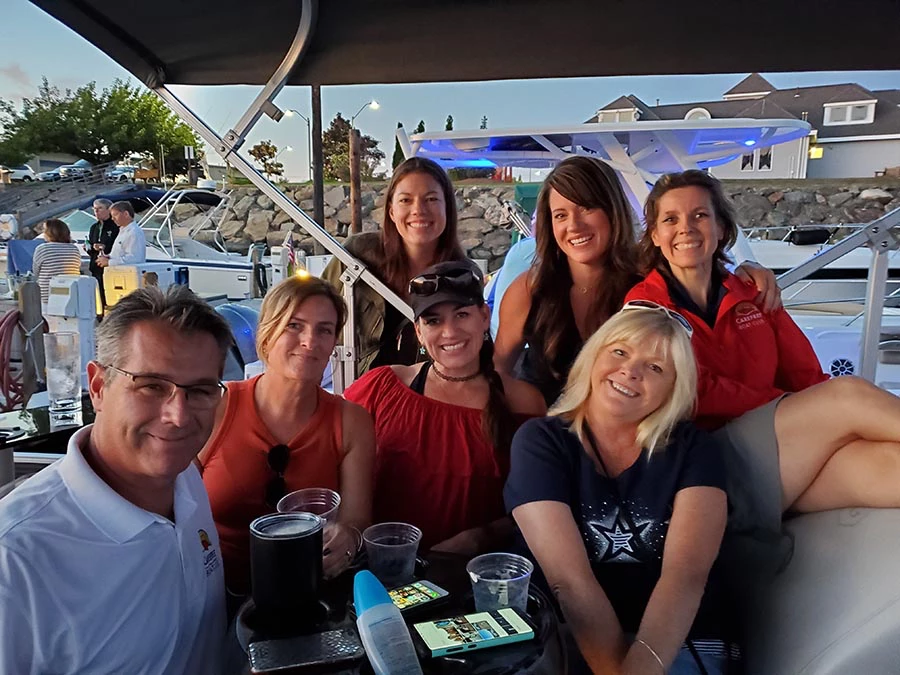
Boating for beginners is easiest when you treat your first outing as a practical learning experience, not a test of how much you already know. Before you leave the dock, learn the controls, check the weather, understand where you are going, and make a plan for returning. On the water, slow and deliberate decisions matter more than speed. A good beginner also knows how passengers should move, what safety equipment is aboard, and when conditions call for a change of plans. This guide covers boating basics for Massachusetts waters, from preparation and boat handling to the 2026 certificate rules and the support available through Carefree Boat Club.
What Should Beginners Know Before Their First Boat Outing?
Your first trip should have a simple plan. Choose a familiar route, leave enough time to return without rushing, and tell someone on shore where you expect to go. Check the marine forecast, wind, visibility, tides, and any small-craft advisories before you depart. Conditions on Massachusetts waters can change quickly, especially around open harbor entrances and the exposed coast.
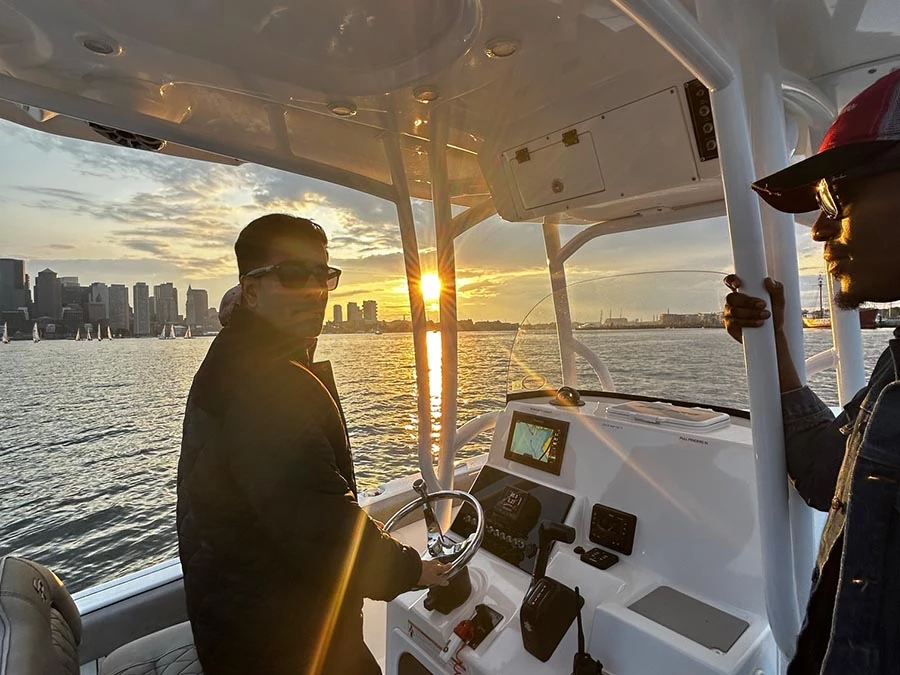
Arrive early enough to walk around the boat before starting the engine. Identify the throttle, steering, trim controls, emergency shutoff, navigation lights, anchor and line, communication equipment, and personal flotation devices. Ask how the boat starts, how it stops, and what the return and tie-up procedure should be. If you are boating through a club, use the orientation to ask questions rather than trying to remember everything while underway.
At low speed, practice moving forward, shifting to neutral, turning gradually, and stopping in open water. A boat does not brake like a car, and wind or current can continue moving you after the throttle is reduced. Look behind you before changing direction, keep a generous distance from other vessels and fixed objects, and make small steering adjustments. The person at the helm should keep a proper lookout instead of focusing only on the chartplotter or a phone.
Brief every passenger before leaving the dock. Explain where to sit, where not to stand, how to hold on, and what to do if someone falls overboard. Keep the weight of passengers and gear distributed sensibly. A calm passenger briefing makes the outing more comfortable and gives everyone a role if conditions change.
What Safety Equipment and Habits Should Every Beginner Use?
Safety starts with equipment that is present, accessible, and appropriate for the people aboard. Wear a properly fitted personal flotation device when required, and make sure children use a size and type intended for them. Keep any required throwable flotation, visual distress signals, fire extinguisher, sound-producing device, first-aid supplies, anchor and line, and other required gear where the operator can reach them. Requirements vary by boat and activity, so use the official rules and the vessel’s safety checklist as the final authority.
Communication planning is just as important as carrying equipment. Know how to call for help, save the marina and emergency contacts, and tell a responsible person your route and expected return. Keep a charged phone protected from spray, and learn the location and basic use of the boat’s VHF radio if one is aboard. A radio or phone supports an emergency plan, but neither replaces a lookout or sound judgment.
Weather is a continuing check, not a one-time task at the dock. Watch the horizon for darkening clouds, increasing wind, reduced visibility, or building waves. If the forecast changes or passengers become uncomfortable, shorten the trip and head back early. It is always better to return with a story about changing plans than to press on because the original itinerary looked perfect.
Use navigation lights from sunset to sunrise and whenever visibility is limited. Keep a safe speed for the conditions, follow marked channels, give other vessels room, and learn the basic navigation rules before operating independently. Do not assume a familiar harbor is risk-free. Commercial traffic, ferries, fishing gear, rocks, shoals, and wakes all deserve attention.
What Massachusetts Boating Rules Should New Operators Know in 2026?
Massachusetts has an important 2026 change for many people operating a motorboat. The Massachusetts Environmental Police explains in its Hanson-Milone Boater Safety Act FAQ that people born after January 1, 1989 must have a boater safety certificate to operate a motorboat after April 1, 2026. People born on or before January 1, 1989 have until April 1, 2028 to meet the certificate requirement.
Those age-based dates should not be reduced to a single deadline for every operator. The official FAQ also describes direct-supervision and other documented exemptions that may apply in specific circumstances. Read the current Massachusetts Environmental Police guidance, confirm what applies to your situation, and keep required documentation available for inspection. This article is educational information, not legal advice. The Mass.gov page was checked on September 14, 2026, but rules and official guidance can change.
Certificate planning is one part of a safe first trip. You still need to understand the boat, follow required equipment and operating rules, check the forecast, and maintain a lookout. If you are not sure whether your certificate is current or which approved course meets the requirement, use the official state guidance rather than relying on an old blog post or an informal summary.
How Can Beginners Learn Navigation, Docking, and Boat Handling?
Confidence comes from repeating small skills in a controlled order. Start with straight-line movement and gentle turns in an open area. Practice shifting smoothly, holding a steady heading, and judging how long the boat takes to slow down. Then work on approaches to a dock at idle speed. The goal is to arrive with enough control to stop, not to carry extra speed and hope the last turn works.
Docking is easier when you account for the wind and current before you begin the approach. Decide which side of the boat will meet the dock, prepare lines and fenders, and tell passengers exactly when to handle them. Make a slow approach, keep an escape option, and be willing to pull away for another try. A go-around is a sound boating decision, not a failure.
Local instruction can shorten the learning curve. Carefree’s on-the-water training program covers practical boat handling, docking, navigation, safety procedures, and local waterways. Ask about the areas you want to explore from Boston, Danvers, or Gloucester, and use the training time to learn how wind, tides, channels, and traffic affect your route. Every operator should continue learning even after the first successful trip.
Which Boat Style Is Best for a Beginner’s First Outings?
The best first boat is the one that matches your people, plans, and comfort level. An open center-console style can suit fishing, harbor exploring, and flexible movement around the boat. A dual-console layout can offer a practical arrangement for family cruising. A pontoon-style boat can provide room for relaxed outings with a group. These are general categories, not a promise that every model is available at every location.
Think about how many people usually come along, whether you prefer protected harbor water or longer coastal trips, and how much space you need for coolers, safety gear, and personal items. A smaller, familiar boat can be a better learning platform than a larger one that feels difficult to handle. Review the current Carefree fleet and boat styles with the team, and ask which orientation applies to the boats you expect to reserve.
How Can Current Navigation Tools Help Beginner Boaters?
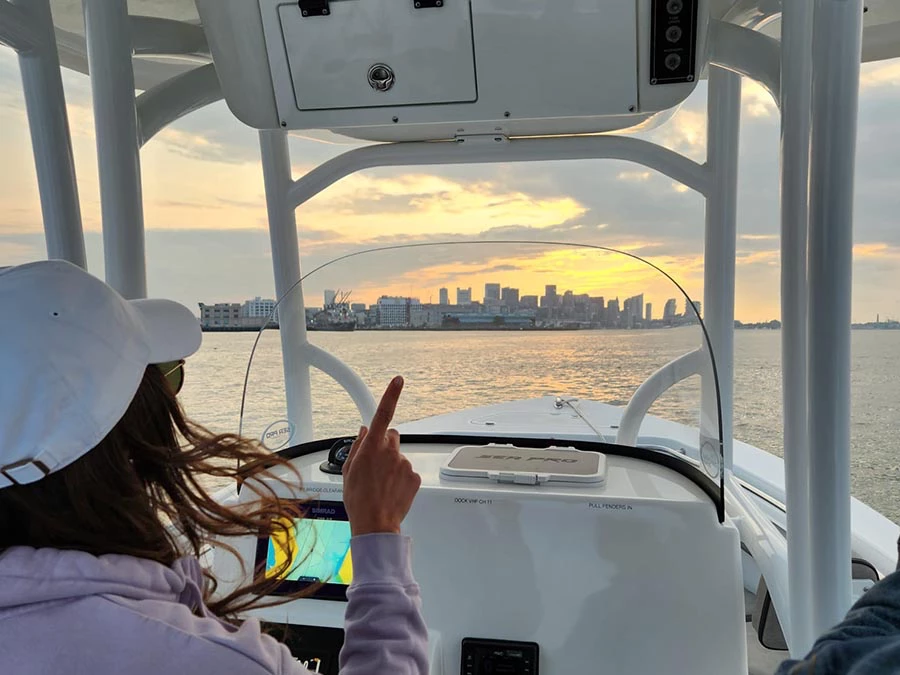
Modern navigation tools can make information easier to see, but they do not make decisions for the operator. A GPS or chartplotter can show position, a planned route, chart details, and marked hazards. Depth information can help you notice changing water conditions, but it should be interpreted with the chart, local knowledge, and the conditions around the boat.
Weather tools can help you compare the forecast with what you see outside. A VHF radio can support communication with marinas, other boaters, or emergency services when one is aboard and properly used. Some systems also provide AIS-based situational-awareness alerts where equipped. Treat all of these features as aids. They do not replace a proper lookout, navigation rules, paper-chart familiarity when appropriate, or hands-on training.
Before leaving, zoom in on the route, identify the return path, and note any areas where you need extra attention. Do not follow a line on a screen into shallow water or a restricted area without checking the surrounding information. Keep your eyes moving between the water, other vessels, the weather, and the display.
Where Can Beginners Go Boating Near Boston, the North Shore, and Cape Ann?
Massachusetts beginners can choose a route that fits their experience and the day’s forecast. Boston offers access to Boston Harbor, harbor islands, skyline views, and busy urban waterfront areas. Give commercial traffic, ferries, marked channels, and changing wakes plenty of room, and begin with a route that leaves time for a calm return.
Danversport and the Danvers River provide a North Shore starting point for learning local waterways and planning coastal outings. Pay attention to channel markers, tide stages, wind direction, and the transition between protected water and more exposed areas. A short trip that lets you practice steering and docking is often more useful than an ambitious route that leaves little room for learning.
Gloucester and Cape Ann offer a historic working waterfront and access to the open coast. Around Gloucester, beginners should plan conservatively, monitor visibility and wind, and use local orientation to understand harbor entrances, rocks, islands, and traffic patterns. Carefree’s Massachusetts locations in Boston, Danvers, and Gloucester give prospective members a chance to discuss the route that best fits their home location and boating goals. You can learn more about each base through the Boston, Danvers, and Gloucester location pages.
Why Do Beginners Choose Boating Without Owning a Boat?
Boating Without Owning can remove barriers for people who want regular time on the water but do not want the full ownership workload. A club model can combine reservation-based access, orientation, training, and maintained boats with local support. Instead of starting each outing by arranging a purchase, storage plan, maintenance schedule, and marina relationship, a member can focus on learning the boat and planning a safe day.
Carefree members can reserve boats online and contact the team by phone with reservation questions. Membership options and current policies should be confirmed directly through the Carefree membership page and the team. Members also receive reciprocal access at 150+ participating club locations nationwide, subject to the applicable reservation process and each location’s policies.
A tour is useful because it turns general questions into a practical comparison. Ask how orientation works, what training is available, how reservations are made, which boat styles fit your plans, and what responsibilities remain with you. The right choice depends on how often you expect to boat, where you live, and how much you value time on the water versus managing ownership tasks.
What Should Beginners Check Before Leaving the Dock?
- Confirm the forecast, wind, visibility, tides, and any advisories for your route.
- Check that every passenger has a properly fitted personal flotation device and understands where to sit.
- Review the route, return plan, emergency contacts, and communication method.
- Locate the controls, emergency shutoff, navigation lights, anchor and line, and required safety equipment.
- Make sure loose items are secured and passengers know what to do if someone falls overboard.
- Confirm that the operator understands the applicable Massachusetts boater safety certificate rules.
- Start at a manageable speed and leave room to practice turns, stopping, and docking.
- Keep a proper lookout throughout the trip, even when navigation tools are in use.
If the weather, boat, or crew does not feel right, pause and ask for help or reschedule. Good seamanship includes knowing when not to leave the dock.
Book a Carefree Boat Club Tour in Massachusetts
What Questions Do Beginners Ask About Boating?
Do I need experience before operating a boat?
You do not need to know everything before your first outing, but you do need an orientation, a safety plan, and a willingness to operate slowly while you learn. Hands-on training and short practice routes can build skills more effectively than trying to learn every situation at once.
What is the most important boating skill for a beginner?
Situational awareness is foundational. Keep a proper lookout, understand wind and current, maintain a safe speed, and leave yourself time and space to respond. Smooth control and conservative decisions matter more than making a fast trip.
What should I do if conditions worsen?
Reduce risk early. Recheck the route and forecast, communicate with passengers, and head toward a safe return point before conditions become difficult. If you are unsure, contact the marina or training team for guidance and do not continue simply to finish the original plan.
How can I get started with Carefree Boat Club?
Start with a tour and explain your experience, preferred Massachusetts location, typical passengers, and boating goals. The Carefree team can discuss current membership options, boat styles, reservations, and training so you can choose a practical next step.